Introduction
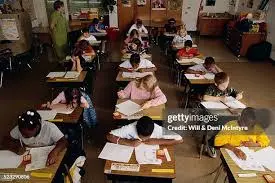
The classroom plays a pivotal role in shaping students’ learning experiences and overall development. It is not merely a space where education occurs, but a complex environment that influences students’ motivation, behaviour, and academic success. With the increasing emphasis on student-centred learning and engagement, understanding the importance of classroom environments is more relevant now than ever.
Impact on Learning
Studies show that a well-structured classroom can significantly enhance educational outcomes for students. Variables such as seating arrangements, lighting, decor, and the availability of resources contribute to an atmosphere where students can thrive. A classroom that is designed with creativity and engagement in mind fosters a sense of community, encouraging collaboration and interaction among students. Furthermore, classrooms that are adaptable to various teaching methods—such as lectures, group work, or individual study—tend to cater better to diverse learning styles.
Current Trends in Classroom Design
In recent years, there has been a shift towards more innovative classroom designs. Open spaces, flexible seating options, and technology-integrated environments are becoming commonplace in many educational institutions. The COVID-19 pandemic has accelerated this trend, as remote learning forced educators to rethink how classrooms can be utilised to accommodate different learning formats. As schools reopen, many are adopting hybrid models that combine online and in-person learning, necessitating adaptable classroom designs.
Challenges Ahead
Despite the advancements in classroom environments, challenges remain. Economic constraints often limit schools’ ability to innovate and invest in new technologies or designs. Furthermore, issues such as overcrowding, insufficient resources, and inadequate training for teachers in utilising new classroom technologies can hinder the effectiveness of these environments.
Conclusion
In conclusion, the classroom serves as a fundamental element in the educational journey of students. Its significance cannot be understated, as the environment directly impacts both the learning process and student outcomes. As educational practices continue to evolve, it is vital that schools prioritise the development of classroom spaces that are conducive to learning, collaboration, and engagement. By embracing innovative approaches and addressing existing challenges, educational institutions can create more effective learning environments that prepare students for a rapidly changing world.
