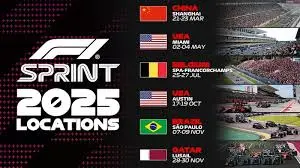
Introduction to F1 Sprint
Formula 1 has long been revered as the pinnacle of motorsport, showcasing cutting-edge technology and unparalleled driving skill. Among the recent changes aimed at enhancing the fan experience is the introduction of the F1 Sprint format. This new racing weekend structure is designed to add excitement and intrigue to Grand Prix events, providing a condensed version of racing excitement that appeals to both die-hard enthusiasts and casual viewers.
The Structure of F1 Sprint
Debuting in the 2021 season, the F1 Sprint is a 100-kilometre race that takes place on the Saturday of a race weekend. The outcome of the Sprint determines the starting grid for the main event on Sunday, creating a competitive atmosphere where every position counts. Initially, the 2021 season featured three trial sprints, but the positive response from fans and drivers alike has led to an expanded implementation in subsequent seasons.
Key Features and Regulations
The Sprint races last around 30 minutes, putting an emphasis on speed and strategy rather than endurance. The format also allows for limited pit stops, which means drivers must manage their tyres effectively throughout the event. Furthermore, points are awarded to the top eight finishers, with the winner receiving three points, second place earning two, and third place one point. This additional incentive encourages teams to push their performance further during what is essentially a race within a race.
Reactions and Impact
The introduction of the Sprint format has sparked a variety of reactions within the motorsport community. Some drivers have praised the format for increasing competitiveness and excitement, while others have expressed concerns regarding the potential for increased risk on track. Critically, fan engagement has surged, with many appreciating the dynamic viewing experience that a shorter, action-packed race provides.
Conclusion: The Future of F1 Sprint
As F1 continues to evolve, the Sprint format looks set to be a permanent fixture in the calendar, with possibilities for further refinement and adjustments. Its ability to attract new fans while providing an electrifying spectacle for existing ones makes it a crucial component of the sport’s ongoing development. With plans to expand the number of Sprint races in the future, it seems that this fast-paced format is here to stay, reshaping the way Formula 1 is experienced and enjoyed.
