Introduction
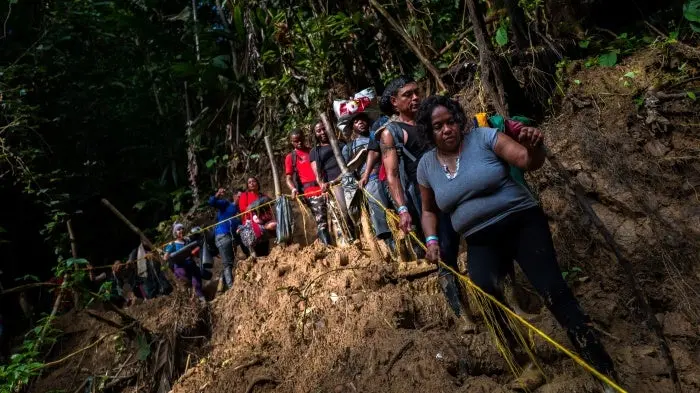
The Darien Gap is a treacherous, undeveloped stretch of land that exists between Panama and Colombia, known for its dense jungles and challenging terrain. This geographical anomaly is not only significant for its physical barriers but also for its socio-political implications, particularly in the context of migration and environmental conservation. The region has become a focal point for migrants attempting to traverse from South America to the United States, highlighting the ongoing humanitarian crisis and the environmental concerns associated with increased migration.
A Closer Look at the Geography
The Darien Gap spans approximately 100 miles and is renowned for its harsh topography, with swamps, steep hills, and a biodiversity that includes various endangered species. Due to its lack of infrastructure, the region is largely inaccessible and has earned a reputation as one of the most dangerous places to travel. Rainfall is frequent, and the dense foliage often obscures trails, making navigation difficult.
The Migration Crisis
In recent years, the Darien Gap has seen an influx of migrants from various countries, primarily from Haiti, Cuba, and Venezuela, who are seeking to reach the United States in search of better opportunities. As of 2023, it was reported that over 250,000 individuals attempted to cross through this perilous area, facing numerous risks such as disease, natural hazards, and exploitation by human traffickers. The Panamanian government and humanitarian organisations have stepped up efforts to provide assistance, but the challenges remain immense.
Environmental and Conservation Efforts
The ecological significance of the Darien Gap cannot be overstated. It serves as a critical habitat for various species and contributes to the overall health of the Central American rainforest ecosystems. Conservationists are concerned that increased human activity, driven by migration and illegal logging, poses serious threats to the fragile environment. Various NGOs are working to promote sustainable practices and raise awareness about the ecological importance of the region.
Conclusion
The Darien Gap epitomises a complex intersection of geography, migration, and environmental conservation. As more individuals seek to navigate this challenging terrain, it is essential for the international community to address the associated humanitarian issues while also committing to the preservation of this unique ecosystem. The future of the Darien Gap will hinge on balanced approaches that respect both human rights and environmental sustainability, making it a critical area to watch in the coming years.
