Introduction
The price of gold has long been a barometer of economic stability and investor sentiment. As a precious metal, gold serves as a safe haven during economic uncertainty, making its price fluctuations relevant for investors, economists, and everyday consumers alike. The recent volatility in the gold market has raised questions about its future trajectory and the underlying forces at play, reflected in both the financial and geopolitical arenas.
Recent Trends in Gold Prices
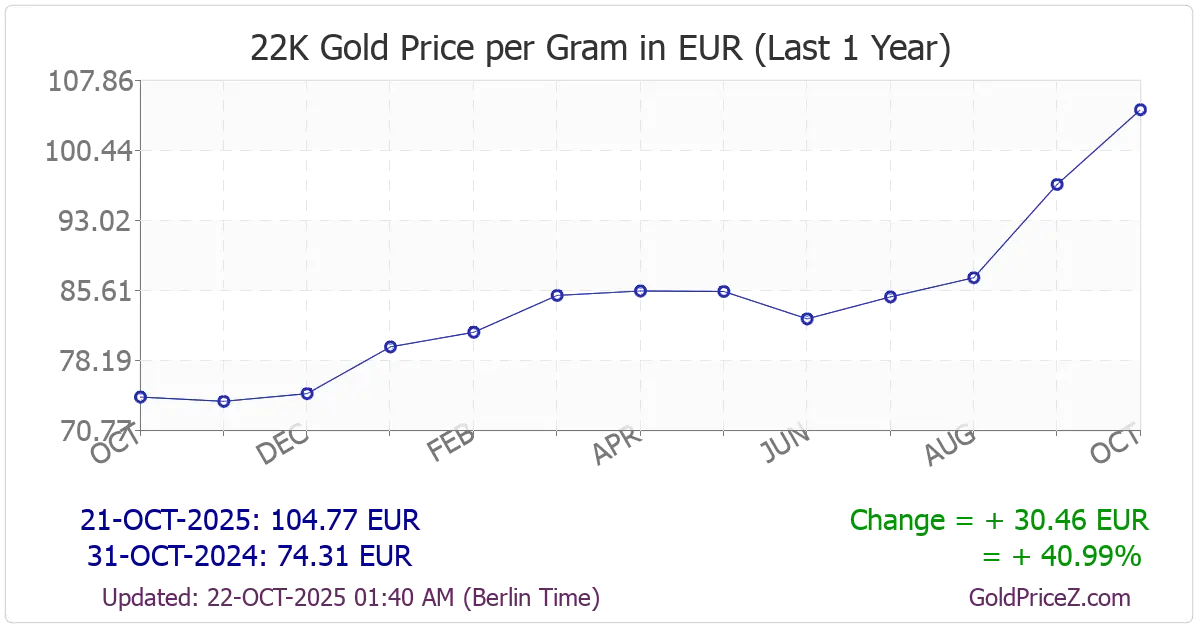
As of October 2023, the price of gold has experienced notable fluctuations, primarily influenced by inflation rates, interest rates, and geopolitical tensions. After reaching a peak of approximately £1,800 per ounce earlier in 2023, gold prices shifted due to ongoing concerns over inflation, which prompted central banks, including the Bank of England, to adjust interest rates. Higher interest rates typically negatively impact gold prices, as they increase the opportunity cost of holding non-yielding assets like gold.
Additionally, geopolitical events such as the ongoing conflict in Eastern Europe and economic slowdowns in major economies have further propelled demand for gold. Investors often turn to gold in times of crisis as a hedge against uncertainty, thus increasing its market value. Over the past month, prices have stabilized around £1,740 to £1,750 per ounce, suggesting a response to these economic developments.
Factors Influencing Gold Price
Several key factors are influencing the current gold price. Firstly, global inflation remains a critical concern. While central banks are attempting to tame inflation through rate hikes, persistent cost-of-living increases have led to heightened demand for safe-haven assets like gold.
Secondly, currency fluctuations play a significant role. The strength of the US dollar inversely affects gold prices; a stronger dollar typically dilutes gold’s appeal, making it more expensive for buyers using other currencies. Currently, the dollar remains robust, exerting pressure on gold prices.
Lastly, investor sentiments and market speculation also influence gold prices. With futures markets being increasingly dominated by algorithms and trading strategies, quick shifts in sentiment based on news developments can lead to rapid price changes.
Conclusion
In conclusion, as the market navigates ongoing economic changes and uncertainties, the gold price will likely remain volatile. Investors looking to use gold as a hedge must stay informed about prevailing economic indicators, geopolitical developments, and market trends. Analysts forecast that while gold may face downward pressures in the short term due to higher interest rates, its intrinsic value as a safe-haven asset will continue to attract investors, particularly in times of economic turbulence. Understanding these dynamics will be crucial for making informed investment decisions in the ever-changing landscape of precious metals.
