Introduction
The situation in Iraq remains a focal point of international attention due to its complex socio-political landscape. Following years of conflict and instability, the nation’s developments are crucial not only for its citizens but also for regional security and global interests. Understanding the current dynamics in Iraq is essential for assessing future implications for the Middle East and beyond.
Political Developments
In recent months, Iraq has experienced significant political shifts. The government, led by Prime Minister Muhammad Shia’ al-Sudani, has faced increasing challenges, including widespread protests against corruption and poor services. In October 2023, demonstrations broke out across major cities as citizens voiced their frustrations regarding unemployment and economic hardship, exacerbated by ongoing geopolitical tensions in the region.
Security Concerns
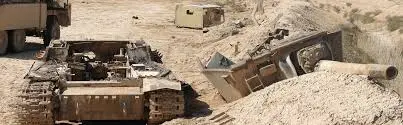
Security remains a pressing issue in Iraq, with the resurgence of ISIS elements in rural areas raising alarms. The Iraqi security forces, supported by international coalitions, have intensified operations to thwart any potential threat. In September 2023, Iraqi forces conducted successful campaigns that resulted in the dismantling of several ISIS cells, yet the group’s ability to regroup poses a continuous threat to stability.
Humanitarian Crisis
The humanitarian situation in Iraq is also dire, with millions of citizens still displaced from previous conflicts. According to the United Nations, as of October 2023, around 1.2 million people remain in internally displaced persons (IDP) camps, struggling for basic necessities like food, healthcare, and education. The international community has been urged to provide ongoing support to address these critical needs, fending off further deterioration of conditions.
Economic Challenges
Iraq’s economy is heavily reliant on oil exports, which account for a significant portion of its GDP. However, the global fluctuations in oil prices have further complicated economic recovery efforts. In 2023, the government has focused on tackling economic reforms, but skepticism over execution and corruption continues to hinder progress.
Conclusion
The current situation in Iraq illustrates a nation at a crossroads, grappling with multifaceted challenges including political instability, security threats, humanitarian crises, and economic difficulties. As Iraq strives towards a more stable and prosperous future, regional and international engagement will be critical in supporting its journey. Observers believe that effective governmental reforms and continuous international support could lead to a brighter horizon for the country, but immediate action is essential to address the urgent needs of its population.
