Introduction
North Macedonia, a small Balkan country, has emerged as a significant player in southeastern Europe, particularly following its name change from the former Yugoslav Republic of Macedonia as per the Prespa Agreement with Greece in 2018. This name change opened the door for NATO and EU integration, making North Macedonia a key focus for political analysts and international relations experts.
Recent Developments
In recent months, North Macedonia has been at the centre of various geopolitical dynamics. In July 2023, the country officially became a full member of NATO, providing it with enhanced security in a region historically plagued by conflict. This membership has strengthened North Macedonia’s ties with western nations and is seen as a strategic move to bolster stability in the Balkans.
Additionally, North Macedonia has made significant headway towards EU accession, although challenges remain. The European Commission has recognised the reforms implemented by Skopje, particularly in judicial independence and combating corruption; however, Bilateral disputes with Bulgaria regarding historical interpretations continue to pose obstacles to progress.
Cultural and Economic Landscape
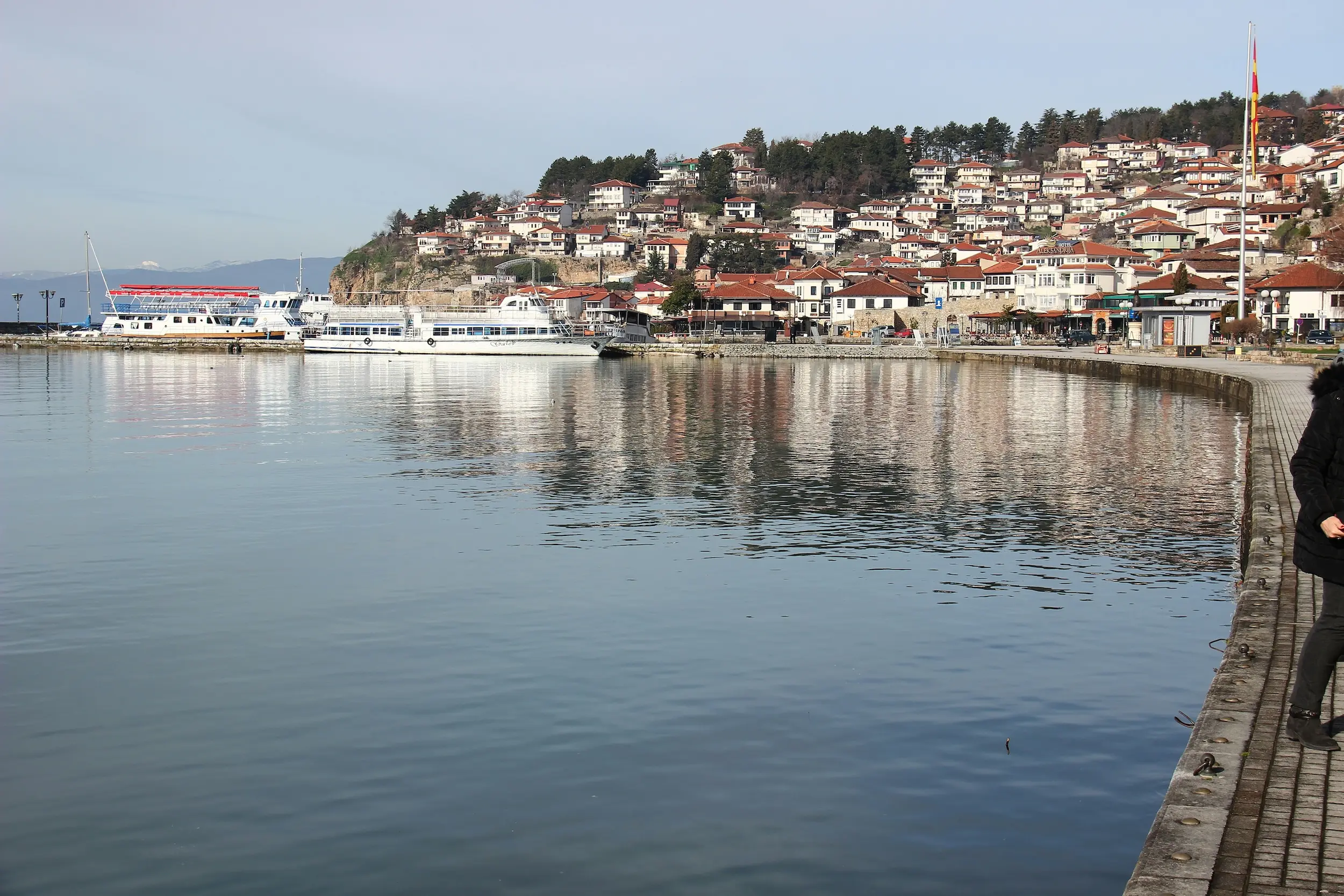
Culturally, North Macedonia is known for its rich heritage, including influences from both Eastern and Western civilisations. Recent initiatives aim to promote tourism, showcasing its natural beauty and historical sites. The economic climate is gradually improving, with investment in infrastructure and the ICT sector reported on the rise, indicating a shift towards more diversified economic activities beyond traditional agriculture and textiles.
Conclusion
The developments in North Macedonia represent not only a local transformation but a pivotal moment in the broader Balkan context. As the country strives for deeper integration with the European Union and continues to solidify its geopolitical standing through NATO, the implications of these changes are significant. For global observers, North Macedonia’s journey towards democratic consolidation and economic resilience will be crucial in assessing the future stability and prosperity of the region.
