Introduction to the Ebola Virus
The Ebola virus disease (EVD) remains a significant public health concern, known for its high mortality rates and potential for outbreaks. Recent outbreaks in Africa have highlighted the need for vigilance and preparedness, making the understanding of its transmission, symptoms, and the global response critical for both healthcare professionals and the general public.
Recent Outbreaks and Current Situation
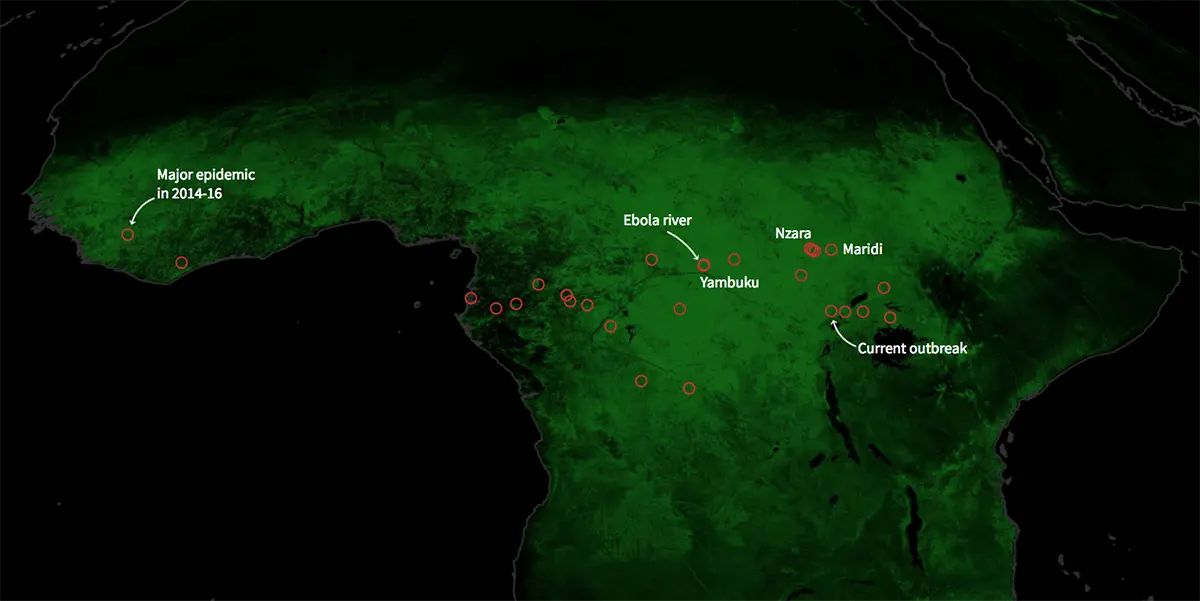
As of late 2023, several regions in Central and West Africa have reported isolated cases of Ebola. The Democratic Republic of the Congo (DRC), in particular, has seen recurring outbreaks since 1976 when the virus was first identified. In the most recent outbreak, health authorities reported several confirmed cases, prompting the World Health Organization (WHO) to deploy rapid response teams to assist local health officials in containment efforts.
On October 15, 2023, WHO confirmed a total of 15 cases in the DRC, with 3 fatalities reported. The quick spread within several communities has raised alarms, urging an immediate response from international health agencies. Containment measures, including vaccination campaigns and contact tracing, are being put in place. The Ebola vaccine, rVSV-ZEBOV, has proven effective in controlling outbreaks and is being utilized to curb this rise in cases.
Public Health Response and Vaccine Distribution
Global health authorities emphasize the importance of vaccination and isolation strategies to prevent further spread of the virus. Following the guidelines set forth by WHO, local health ministries are working quickly to administer vaccines to high-risk communities. In addition, public health campaigns are aimed at educating populations about the need for hygiene practices and monitoring symptoms.
Furthermore, neighbouring countries are being put on high alert, with enhanced surveillance measures at border crossings, reflecting the interconnected nature of public health. International collaboration is crucial, with organizations like Médecins Sans Frontières (Doctors Without Borders) providing critical support and expertise.
Conclusion and Future Outlook
The recent Ebola outbreaks serve as a stark reminder of the ongoing risks posed by viral diseases, particularly in regions with limited access to health care and resources. While the current response strategy appears to be effective in controlling the immediate spread, experts warn that vigilance must continue to prevent larger outbreaks in the future.
As the world continues to grapple with infectious diseases, investment in healthcare infrastructure, rapid response teams, and community education will be paramount. Efforts in research and development regarding vaccines and treatments for Ebola will play a critical role in ensuring global health security moving forward.
