Introduction
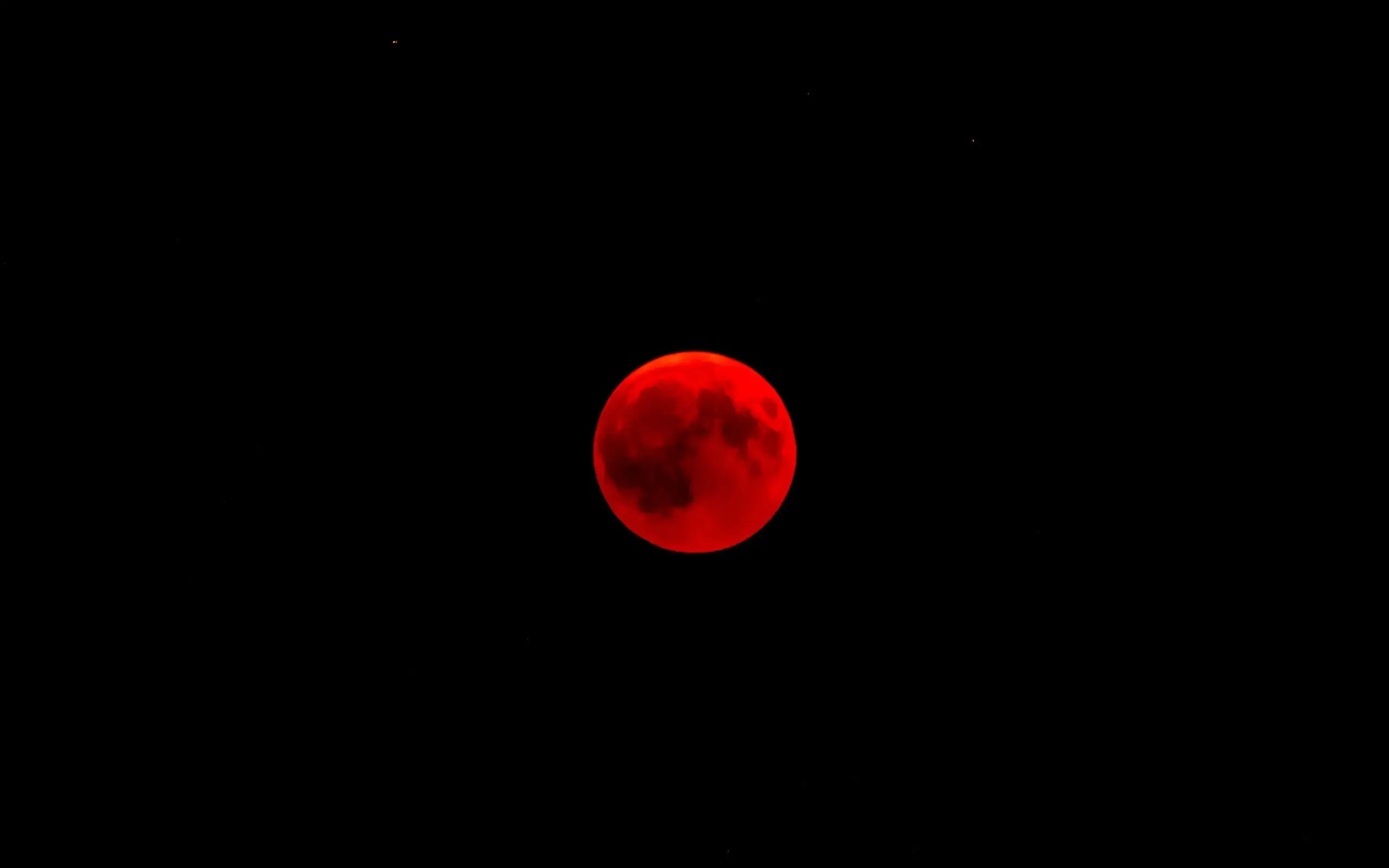
The term ‘crimson moon’ refers to the stunning reddish hue that the moon can take on during specific astronomical events, notably during a lunar eclipse. This phenomenon captivates enthusiasts and sky-watchers alike, symbolising not only aesthetic beauty but also offering scientific insights into our planetary system. The crimson moon’s rarity and striking appearance make it a topic of interest for both astronomy aficionados and casual observers.
The Science Behind the Crimson Moon
When a lunar eclipse occurs, Earth passes between the sun and the moon, casting a shadow on the moon. As the sunlight filters through Earth’s atmosphere, it scatters and refracts, allowing the shorter blue light waves to escape while the longer red wavelengths penetrate the shadow. This scattering effect is what creates the enchanting crimson tone on the moon’s surface during the eclipse.
Recent occurrences of the phenomenon have heightened public interest. For instance, a total lunar eclipse on November 8, 2022, captured the attention of millions around the world as the moon turned a deep red colour. Events like these not only enhance our appreciation for astronomy but also bring communities together to witness these awe-inspiring moments.
Cultural Significance of the Crimson Moon
The crimson moon has been a powerful symbol in various cultures throughout history. Many ancient civilisations, including the Mayans and the Chinese, regarded the moon as a significant celestial body that influenced agriculture and festivals. In contemporary society, the crimson moon has found its way into popular culture, inspiring works of art, literature, and even music, highlighting its enduring relevance and appeal.
Upcoming Events
As we look forward, the next total lunar eclipse is predicted to take place on March 14, 2025. Astronomical events of this nature provide a prime opportunity for educators and enthusiasts to engage the public in the wonders of space and the natural world’s intricacies.
Conclusion
The crimson moon continues to fascinate those with an interest in the cosmos and underscores our connection to celestial events. By understanding the science behind this phenomenon and acknowledging its cultural significance, observers can gain a greater appreciation for the beauty and complexity of our universe. The crimson moon not only enriches our knowledge of astronomy but also serves as a source of inspiration, inviting all to pause and marvel at the night sky.
