Introduction
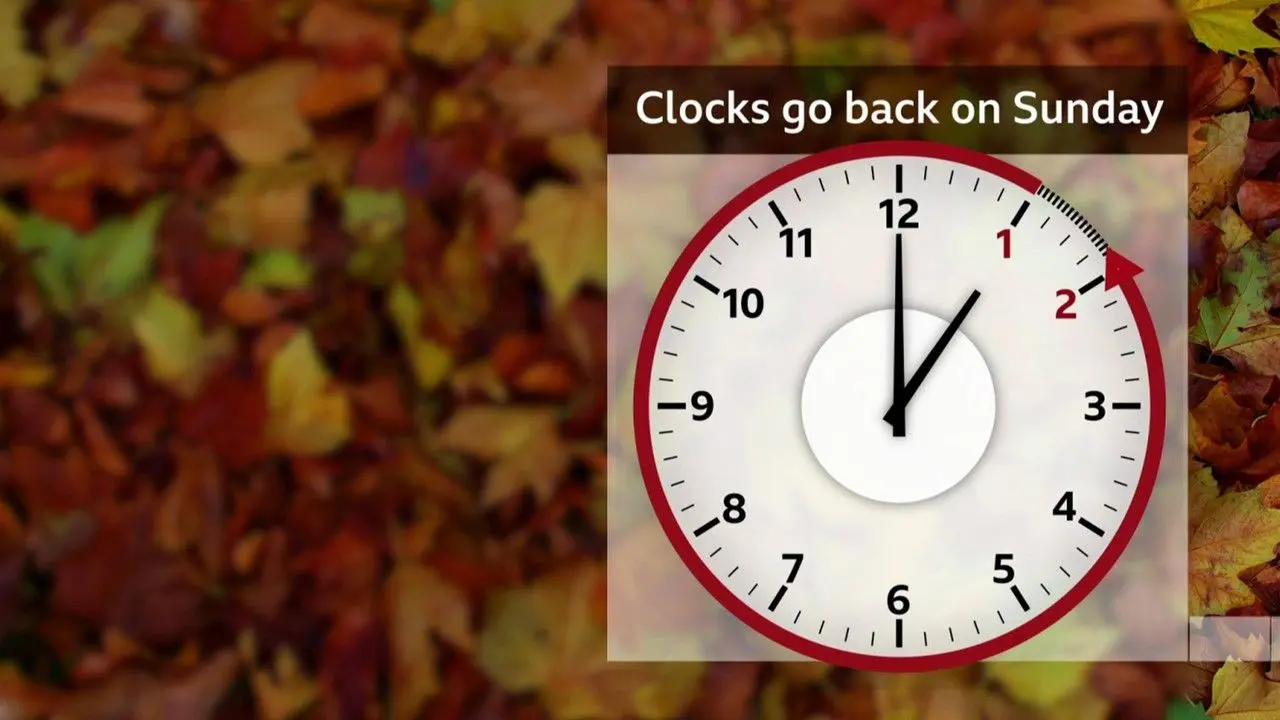
As autumn approaches, millions of Brits prepare for the annual tradition of changing the clocks as daylight saving time comes to an end. The phrase “clocks go back” signifies the transition from British Summer Time (BST) to Greenwich Mean Time (GMT), a practice that impacts daily routines, energy consumption, and overall lifestyle. This year, the clocks will go back one hour on the last Sunday in October, which falls on October 29th, 2023. Understanding this change is crucial for both individuals and businesses as they navigate the shifting daylight hours.
The Importance of Clocks Going Back
The practice of setting the clocks back has its roots in energy conservation and the optimisation of daylight. By gaining an extra hour of natural light in the morning, communities can reduce reliance on artificial lighting, which in turn lowers electricity consumption and carbon emissions. According to a report by the UK government, daylight saving time saves approximately 200,000 tonnes of carbon dioxide emissions annually.
Furthermore, the time change allows people to make the most of daylight during the winter months. With early risers enjoying brighter mornings, there’s a reduction in accidents and improved mental health linked to exposure to natural light. Conversely, this shift can disrupt sleep patterns, especially for children, and may cause temporary confusion as people adjust to the new time.
How the Change Affects Daily Life
As the clocks go back, commuters may also notice changes in their journeys. With earlier darkness, transport systems tend to increase their safety measures, and road safety campaigns are often relaunched to raise awareness about the importance of visibility. Additionally, businesses in sectors such as retail and leisure may adapt their hours to accommodate the earlier setting of the sun, extending opening hours to capture the evening crowd.
Conclusion
The annual change when the clocks go back is much more than just a simple act of adjusting time; it reflects deeper implications for energy conservation, public safety, and mental wellbeing. As UK residents prepare for the end of daylight saving time on October 29th, it’s essential to remember the effects it may have on daily schedules and to plan accordingly. Looking ahead, discussions about the future of daylight saving time continue, as some advocates call for abolishing the practice altogether, urging efficiency and convenience in today’s fast-paced world. Whether one follows the tradition or not, the shift in clocks remains a noteworthy event in the calendar year.
