Introduction
The Chernobyl disaster, which occurred on April 26, 1986, stands as one of the most catastrophic nuclear accidents in history. This tragic event not only had dire consequences for the environment and human health but also prompted global reforms in nuclear safety regulations. As we mark the 37th anniversary of this incident, understanding its implications remains crucial for future energy policies and public safety.
The Disaster Unfolds
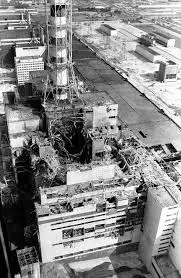
The Chernobyl nuclear power plant, located near the city of Pripyat in the then Soviet Union, experienced a catastrophic power surge during a late-night safety test. This surge resulted in a series of explosions that exposed the reactor core, releasing vast amounts of radioactive particles into the atmosphere. The fire at the site burned for ten days, exacerbating the spread of radioactive materials across Europe.
The immediate aftermath of the disaster led to the evacuation of over 100,000 residents from Pripyat and nearby areas. Emergency responders, many of whom were unaware of the radiation exposure, played a crucial role in firefighting efforts, leading to long-term health issues for many of them. It is estimated that around 50 people died in the immediate aftermath, with thousands more suffering from radiation-related illnesses in the years that followed.
Long-Term Effects
In addition to the human toll, the environmental impact of the Chernobyl disaster was immense. The creation of the Exclusion Zone, a 30-kilometre radius around the plant, marked an area where human habitation remains highly restricted. However, wildlife has astonishingly returned to this zone, demonstrating nature’s resilience in the face of human-induced catastrophe.
Decades after the incident, studies continue to examine the long-term health effects of radiation exposure. The Chernobyl Forum, established in 2003, provides updates on research and health assessments, revealing that while certain cancers have seen increases, the overall population impact is complex and varies widely among different groups.
Global Nuclear Policies Post-Chernobyl
The ramifications of the Chernobyl disaster reached far beyond its geographical limits. Governments worldwide reconsidered their nuclear policies, enhancing safety protocols and regulatory frameworks. In Europe, countries like Germany and Switzerland initiated moves away from nuclear energy, opting for more sustainable sources. The event sparked the establishment of various international agreements aimed at nuclear safety and emergency response, including the Convention on Early Notification of a Nuclear Accident.
Conclusion
The Chernobyl disaster serves as a stark reminder of the potential dangers of nuclear energy and the importance of rigorous safety standards. As nations grapple with energy demands and climate change, revisiting the lessons from Chernobyl remains critical. The ongoing conversations about the balance between energy generation and safety highlight the significance of informed policy-making as we look towards a sustainable future.
