Introduction
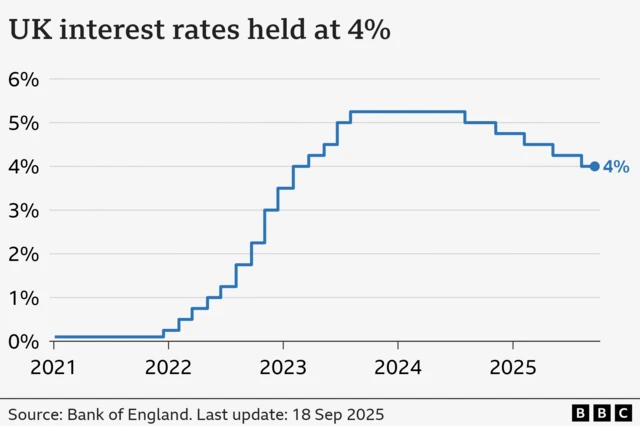
The Bank of England base rate, a crucial monetary policy tool, plays a pivotal role in shaping the UK economy. Changes to the base rate directly affect borrowing costs for households and businesses, influencing everything from mortgage rates to consumer spending. As the UK faces economic challenges following the COVID-19 pandemic and rising inflation rates, monitoring adjustments to the base rate has become increasingly relevant for consumers and financial markets alike.
Recent Developments
As of October 2023, the Bank of England has increased the base rate for the tenth consecutive time, raising it to 5.5% in a bid to combat persistent inflation, which currently hovers around 6%—above the Bank’s target of 2%. The latest hike, announced during the Monetary Policy Committee (MPC) meeting, underscores the UK’s challenging economic landscape, characterized by high inflation, fluctuating energy prices, and the ongoing repercussions of geopolitical tensions.
Governor Andrew Bailey stated that the decision was made to ensure inflation expectations do not become entrenched. “We must be proactive to ensure that price stability is maintained in order to safeguard economic growth and employment in the long run,” he remarked during the press conference.
Impact on Consumers and Businesses
The hike in the base rate has significant implications for both consumers and businesses. The immediate effect will likely be an increase in loan and mortgage rates, which can make borrowing more expensive for families looking to buy homes or refinance existing mortgages. According to industry analysts, the average two-year fixed mortgage rate has already risen by 0.5% following the latest increase.
Small and medium enterprises (SMEs) fear that higher borrowing costs will deter investment and hinder growth. The British Chambers of Commerce warned that relentless rate increases jeopardise recovery for many businesses still grappling with the lingering effects of the pandemic. Firm policy direction is vital to maintain confidence and promote economic resilience.
Conclusion
As we look ahead, further adjustments to the Bank of England base rate are anticipated as the economic situation evolves. Analysts predict a cautious approach moving forward, with potential stabilisation in the near future if inflation trends downwards. For readers, understanding the implications of the base rate is essential for making informed financial choices, whether that means adjusting personal finance plans or strategising for business investments. Keeping abreast of these changes will be vital for navigating the complexities of the current economic environment.
