Introduction to Split Stock
The concept of split stock is increasingly relevant in investment discussions, especially as companies look to enhance liquidity and attract new investors. A stock split occurs when a company divides its existing shares into multiple new shares, thereby increasing the number of shares in circulation. This process does not change the company’s overall market value but can have significant implications for investors and the market.
What is a Stock Split?
A stock split is typically expressed in a ratio format, such as 2-for-1 or 3-for-1, meaning that for every share an investor owns, they receive additional shares according to the specified ratio. For instance, in a 2-for-1 split, an investor with 100 shares will end up with 200 shares, but the value of each share will be halved.
Recent Trends in Stock Splits
As of the end of 2023, several high-profile technology companies, including Alphabet (Google) and Amazon, have executed stock splits to make their shares more appealing to average investors. These moves are often seen as strategies to adjust the share price, particularly for companies whose stock prices have surged significantly, potentially putting shares out of reach for smaller investors.
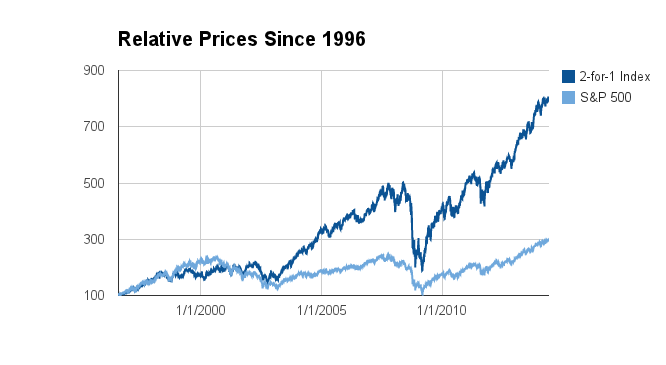
According to data from financial analysts, there’s a notable correlation between stock splits and increased trading volume as well as positive market performance following a split. Historical data shows that well-timed stock splits can enhance a company’s profile and boost investor confidence.
Impacts of Stock Splits on Investors
While stock splits do not change a company’s valuation or the total equity ownership an investor holds, they can influence how investors perceive a stock. A lower share price could invite more interest from retail investors, potentially driving demand and future growth after the split. Additionally, companies that regularly execute stock splits may signal to the market that they expect growth and are confident in their future performance.
Conclusion
The practice of split stocks is an essential tool in the financial market, highlighting a company’s growth ambitions while offering investors more accessibility. As companies continue to navigate the complexities of market valuations and investor appetites, understanding the implications of stock splits becomes crucial for investors. Moving forward, market analysts suggest that savvy investors should keep an eye on announced splits as indicators of company performance and market movements.
