Introduction
Solar eclipses have long captivated humanity, representing a spectacular event where the moon passes between the Earth and the sun, casting a shadow on our planet. These occurrences not only dazzle observers but also hold significant importance in scientific studies and cultural histories. With notable solar eclipses occurring every few years, the public’s fascination with this astronomical phenomenon continues to grow.
The Mechanics of Solar Eclipses
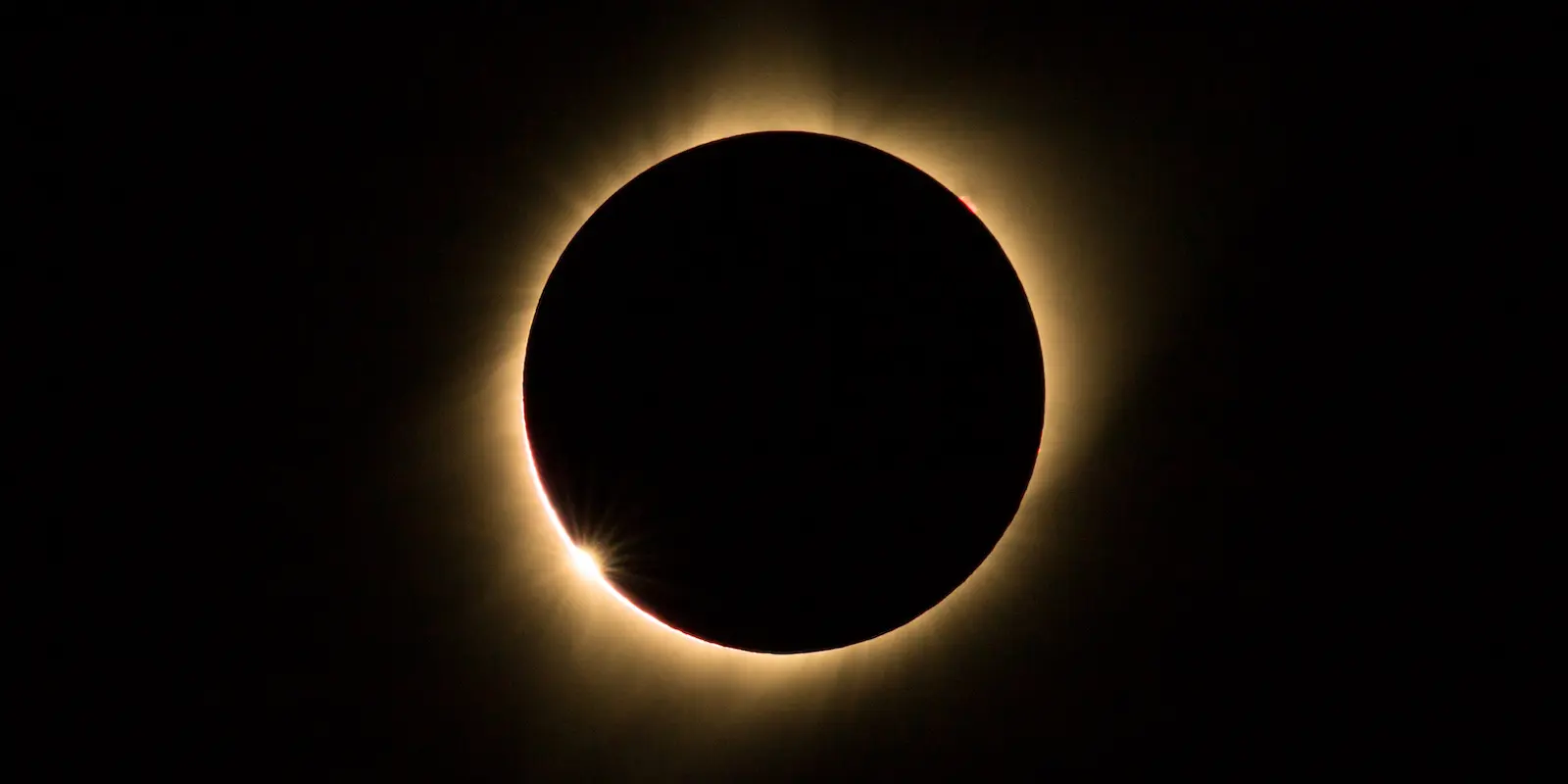
A solar eclipse occurs in three main forms: total, partial, and annular. In a total solar eclipse, the moon completely covers the sun, providing a unique opportunity to observe the sun’s corona, or outer atmosphere. A partial solar eclipse happens when only a portion of the sun is obscured by the moon, while an annular eclipse occurs when the moon is too far away from Earth to cover the sun entirely, resulting in a ‘ring of fire’ effect.
The next significant solar eclipse to be observed in the UK is due on 29 March 2025, where many regions will experience a partial eclipse, with certain locations experiencing totality. This cosmic event is anticipated by astronomers and sky-gazers alike, as it offers a chance to undertake special scientific observations and public engagement through various activities.
Scientific Significance
Solar eclipses have historically contributed to scientific advancements. The phenomenon allowed scientists like Sir Arthur Eddington to confirm Einstein’s theory of general relativity during the solar eclipse of 1919. Through observation, researchers could provide evidence of light bending around massive objects, a pivotal moment in modern physics.
Cultural Impact
Across various cultures, solar eclipses have been interpreted in numerous ways, often viewed as omens or significant events. Ancient civilisations such as the Maya and the Greeks held beliefs that revolved around eclipses, influencing their calendars and agricultural practices. Modern interpretations, while typically more scientific, still draw crowds for public viewing events and educational outreach.
Conclusion
Solar eclipses remain a profound intersection of science and culture, merging the fascination of astronomical phenomena with the curiosity of humanity. With the upcoming eclipse in 2025, there are numerous opportunities for scientific exploration and public engagement. As community events centre around this marvel, we can expect a blend of educational initiatives and joyous celebration of our place in the universe. The allure of solar eclipses promotes not only a deeper understanding of astronomy but also a sense of connection amongst those who witness this remarkable spectacle.
