Introduction to Ramadan
Ramadan is one of the most significant months in the Islamic calendar, observed by Muslims around the world. It is a time of fasting, prayer, reflection, and community. The importance of Ramadan lies not only in the act of fasting but also in spiritual growth, increased devotion, and the emphasis on charity and compassion.
What is Ramadan?
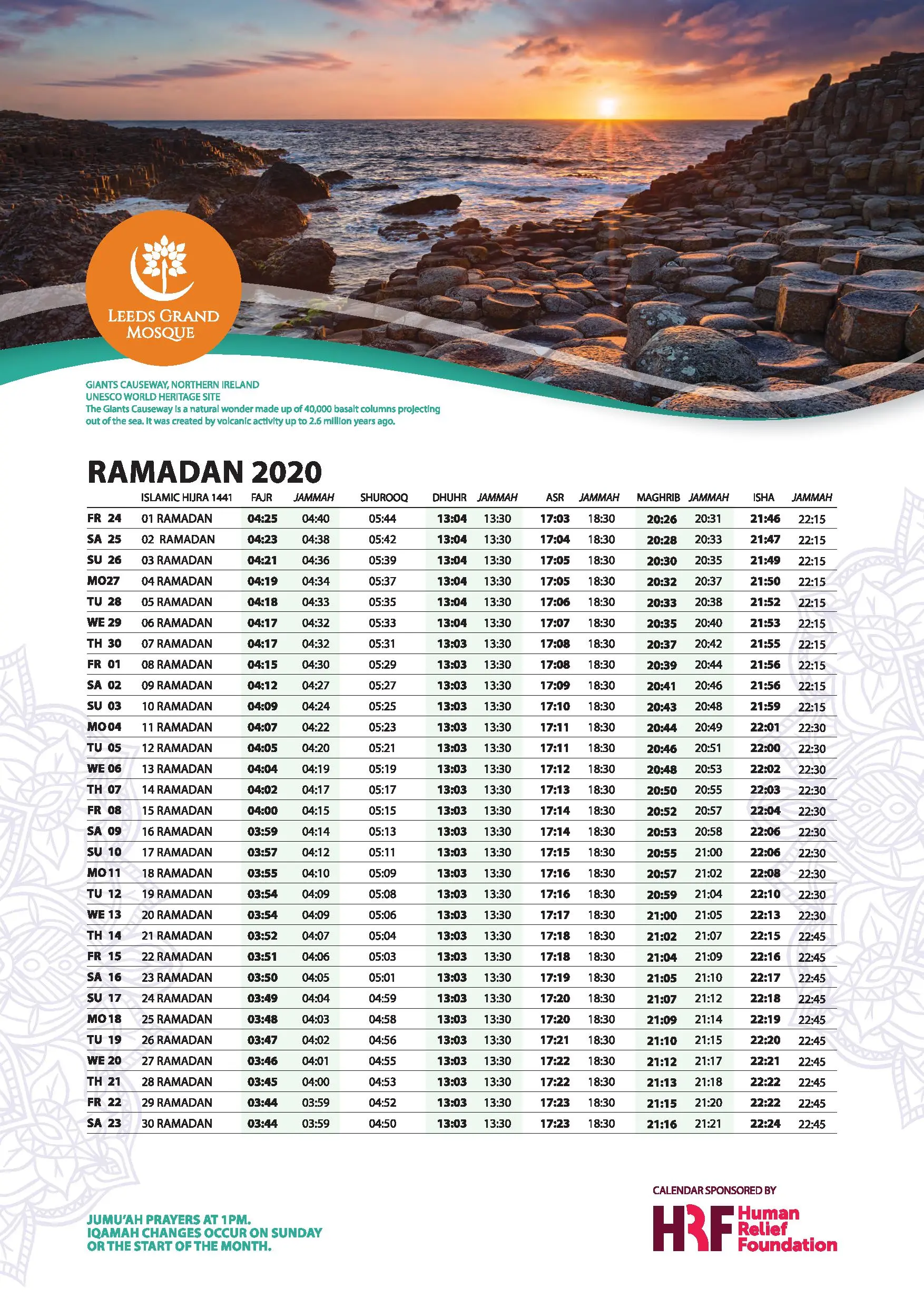
Ramadan is the ninth month of the Islamic lunar calendar. It commemorates the month in which the Quran was first revealed to the Prophet Muhammad. The observance of Ramadan is considered one of the Five Pillars of Islam, making it a fundamental aspect of Muslim faith and practice. It lasts for 29 or 30 days, depending on the sighting of the moon, with Muslims engaging in fasting from dawn until sunset.
Fasting Practices
The fast, known as Sawm, begins before sunrise with a pre-dawn meal called Suhoor. Throughout the day, Muslims abstain from food, drink, smoking, and sinful behaviour. The fast is broken at sunset with a meal called Iftar, which often starts with the eating of dates and the drinking of water, followed by a larger meal shared with family and friends. This communal aspect of Iftar promotes unity and togetherness.
Spiritual Significance
Fasting during Ramadan serves not only as a form of physical restraint but also promotes self-discipline, spiritual growth, and empathy for the less fortunate. It encourages Muslims to reflect on their actions and to seek forgiveness, making it a month of intense prayer and recitation of the Quran. Many attend nightly prayers known as Tarawih, which include extended readings from the Quran.
Charity and Community
Charity, or Zakat, plays a prominent role during Ramadan. Muslims are encouraged to give generously, with many donating more during this holy month than at any other time of the year. This philanthropy is aimed at alleviating hardship for the less fortunate and fostering a spirit of community and mutual support.
Conclusion and Observances
As Ramadan continues to grow in significance worldwide, it remains a month of dedication to spiritual practices, community engagement, and charitable acts. Its observance leads to greater awareness of social issues and encourages personal introspection. The end of Ramadan is celebrated with Eid al-Fitr, a festival of breaking the fast, marking both a joyful celebration and a renewed commitment to the values of compassion and generosity. This annual observance highlights the importance of Ramadan in promoting unity and understanding among Muslims globally.
