Introduction
The Personal Independence Payment (PIP) is a crucial financial support system in the UK, designed to assist individuals with disabilities and long-term health conditions. Understanding the forecast for PIP rates in 2026 is particularly important as it can significantly impact the livelihood of many people dependent on this scheme. With ongoing discussions surrounding welfare reform and economic recovery post-pandemic, the evaluation of future PIP rates has gained urgency and relevance.
Current Situation and Historical Context
PIP was introduced in 2013, replacing the Disability Living Allowance (DLA) to provide a more comprehensive assessment of an individual’s needs. Currently, claimants can receive rates varying based on their condition and the level of care required. As per the latest statistics, around 2.8 million people are receiving PIP in the UK. Recent adjustments to these rates reflect changing economic conditions, inflation, and public finance pressures.
Predictions for PIP Rates in 2026
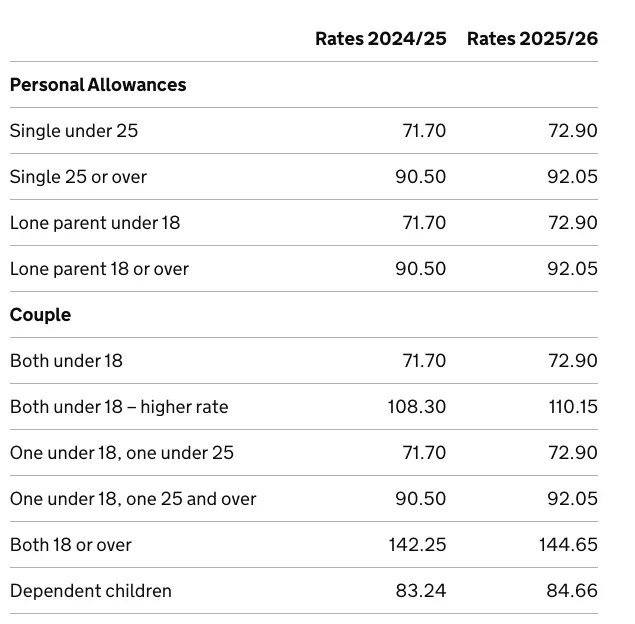
Analysts are currently projecting that PIP rates will not see substantial increases until at least 2026 due to ongoing governmental budget constraints. However, various advocacy groups are urging policymakers to consider the rising costs of living and increasing demand for support services. Research indicates that while inflation is expected to settle down by 2025, the real value of PIP might become eroded if adjustments do not keep pace with rising expenses faced by claimants.
Governmental and Advocacy Responses
In response to growing public pressure, the government has indicated that it will conduct reviews of welfare benefits in 2025, assessing if the current system effectively meets the needs of the disabled community. Advocacy groups, such as Scope and Disability Rights UK, are campaigning for an overhaul of the assessment process to ensure that PIP rates reflect genuine need and provide adequate support. They argue that the current system may not accurately represent the living conditions and essential expenses faced by individuals with disabilities.
Conclusion
The future of PIP rates in 2026 remains uncertain. Although economic forecasts suggest a potential for stability, the advocacy for better and more responsive support systems will shape the ongoing dialogue around PIP and its rates. As discussions evolve, it is imperative for stakeholders—policymakers, disability groups, and the public—to collaboratively pursue a framework that ensures equitable support for the most vulnerable populations in the UK. Navigating these changes effectively will be critical to ensuring that PIP continues to meet its vital purpose.
