Introduction
Phishing has become one of the most prevalent and sophisticated forms of cybercrime in today’s digital world. As more individuals and businesses rely on online services, understanding what phishing is and how it operates is crucial for maintaining cybersecurity. Phishing is not just a concern for tech-savvy individuals; it affects anyone who uses email, social media, or online accounts. Recognising the signs of phishing attacks and knowing how to protect oneself can prevent significant data loss and financial damage.
What is Phishing?
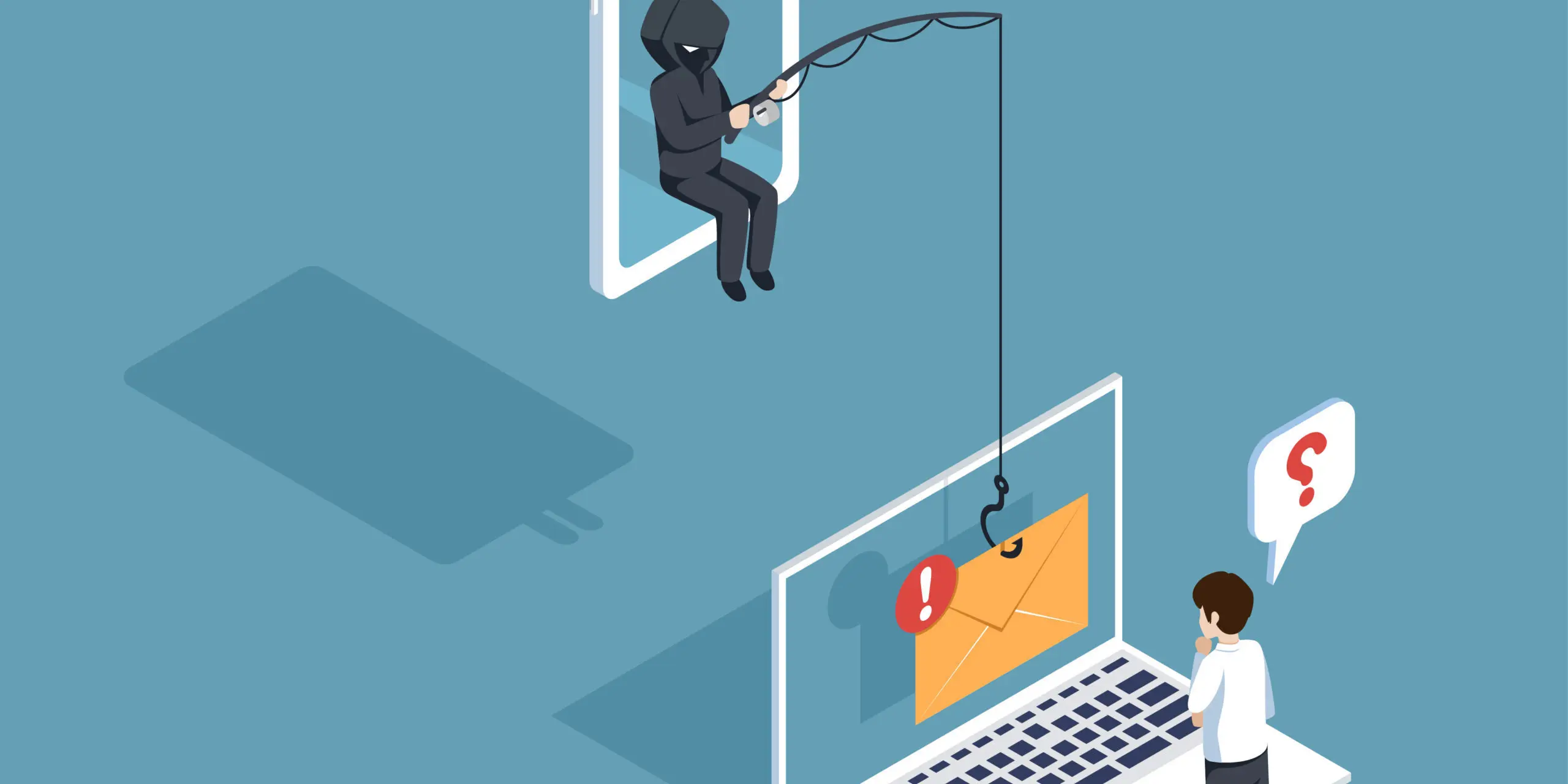
Phishing is a cybercrime technique where attackers impersonate legitimate institutions to trick individuals into providing personal information, such as passwords, credit card numbers, or other sensitive data. These attacks typically occur through deceptive emails, phone calls, or fake websites that often resemble those of reputable companies.
Types of Phishing Attacks
Several variations of phishing exist, with each employing unique tactics:
- Email Phishing: The most common form, where attackers send emails that appear to come from known contacts or reputable companies, asking for sensitive information.
- Spear Phishing: A targeted form that concentrates on specific individuals or companies, often customised based on social media information, making them more convincing.
- Whaling: This type targets high-profile individuals such as executives; the attack is more sophisticated and often crafted to look very credible.
- Smishing: Phishing conducted via SMS, where attackers send text messages to persuade recipients to click on malicious links.
- Vishing: Voice phishing is carried out over the phone, where attackers deceive individuals into revealing confidential information.
Recent Statistics and Trends
According to a report by the Anti-Phishing Working Group (APWG), phishing attacks have surged dramatically in recent years, with attacks recorded skyrocketing to over 600,000 in the first quarter of 2023 alone. This rise has been largely attributed to the increase in remote working and online transactions, which has created more targets for cybercriminals.
Protecting Yourself from Phishing
The threat of phishing can be mitigated by adopting several best practices:
- Be cautious of unexpected emails or messages asking for sensitive information.
- Look for poor grammar or unusual language in communications.
- Hover over links before clicking to check their authenticity.
- Use two-factor authentication on accounts whenever available.
- Regularly update passwords and use complex combinations.
Conclusion
Phishing remains a significant threat to individuals and organisations alike. Given its evolving nature, staying informed and adopting proactive measures is essential. As digital interactions continue to rise, increased awareness and education will play a vital role in reducing the risks associated with phishing attacks. By understanding what phishing is and recognising its tactics, everyone can contribute to a safer digital landscape.
