Introduction
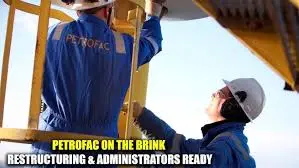
Petrofac, a leading service provider to the global oil and gas industry, is currently undergoing a major restructuring process that has garnered significant attention in both the business and energy sectors. The importance of this topic lies in its potential impact on the company’s operational efficiency, financial stability, and the wider energy landscape. Given the volatile nature of the oil market and the challenges posed by the transition to greener energy sources, understanding Petrofac’s restructuring can provide valuable insights into the future of the oil and gas industry.
Details of the Restructuring
In recent months, Petrofac has announced a series of strategic measures aimed at restructuring its operations and optimising its asset portfolio. This includes the reduction of its workforce by approximately 10% and the closure of several underperforming divisions. The restructuring is largely driven by the company’s efforts to simplify its operational structure while also addressing the financial challenges it has faced since the pandemic.
According to Petrofac’s latest financial statements, the company reported a loss of £50 million for the first half of 2023, which prompted immediate action. The restructuring plan also focuses on improving cash flow and enhancing project delivery. Petrofac’s CEO, Sami Iskander, noted in a press release that these changes are essential for improving competitiveness and ensuring long-term sustainability.
Market Reactions and Industry Impact
The announcement of these changes has led to varied reactions in the market. While some investors have welcomed the restructuring as a necessary step towards recovery, others remain cautious due to ongoing uncertainties in the oil market and potential future revenue challenges. Financial analysts suggest that Petrofac’s move to streamline operations could position them better against rivals who might be struggling with similar issues.
Furthermore, the restructuring could have wider implications for employees and partners in the oil sector, as a leaner Petrofac might influence contract negotiations and service output. The reshaping of Petrofac could also signal a trend among other oil service providers to reconsider their operational frameworks amid changing market conditions.
Conclusion
The restructuring of Petrofac marks a critical juncture for the company and the broader oil and gas industry. As the company works to adapt to new challenges and opportunities, it remains to be seen how effective these changes will be in stabilising its future. For industry stakeholders, understanding Petrofac’s strategies could provide crucial insights into the evolving landscape of the energy sector. Analysts predict that successful restructuring could enhance Petrofac’s market position, allowing it to better navigate the transition to a more sustainable energy future.
