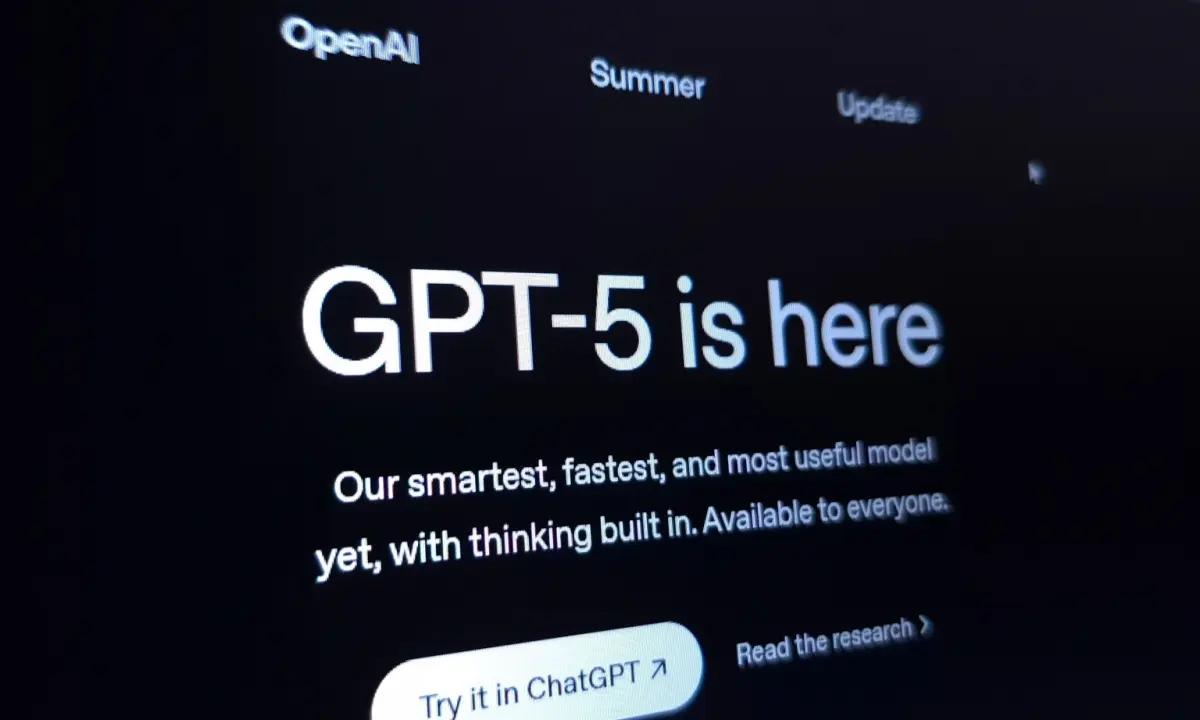
Introduction
The introduction of OpenAI’s ChatGPT represents a significant milestone in the evolution of artificial intelligence. As AI technology advances at a rapid pace, ChatGPT stands out for its ability to understand and generate human-like text, making it a pivotal tool for businesses, educators, and everyday users seeking enhanced communication solutions. This technology not only facilitates interaction but also raises important discussions on ethics, utility, and the future of AI.
Recent Developments
Launched in November 2022, ChatGPT has quickly become a household name, offering users an accessible and engaging way to interact with AI. Its applications are vast, ranging from content creation, customer service automation, and programming assistance to educational support. In addition, OpenAI continues to refine its model with regular updates aimed at improving comprehension and reducing biases.
As of October 2023, OpenAI has introduced ChatGPT-4, which boasts enhanced understanding of context, improved memory retention, and expanded functionalities such as data integration from various sources. These developments are not merely academic; they are used in real-world scenarios where speed and accuracy are crucial, as seen in sectors like healthcare, finance, and e-commerce.
Real-World Applications
Many businesses have adopted ChatGPT for its versatility. For instance, companies are using it to streamline operations by generating automated responses for customer queries, thereby reducing wait times and improving customer satisfaction. In educational settings, ChatGPT serves as a tutor, providing explanations and helping students brainstorm ideas for assignments.
Moreover, content creators increasingly rely on ChatGPT for inspiration, drafting text, or editing purposes—significantly speeding up the creative process. As its adoption grows, so too does the attention on the ethical use of such technology, prompting discussions on its implications for job displacement and misinformation.
Conclusion
OpenAI ChatGPT represents more than just an advancement in AI; it signifies a shift in how humans interact with technology. As capabilities expand, the potential for ChatGPT to enhance productivity and creativity is immense. However, it is equally important for users and developers to address the ethical concerns surrounding AI use. Looking ahead, we can expect further innovations that will enhance the technology while fostering a discussion about responsibility and accountability in AI development. Ultimately, the future of OpenAI ChatGPT and its impact on society will depend on a balanced approach that embraces technological advancements while safeguarding our values.
