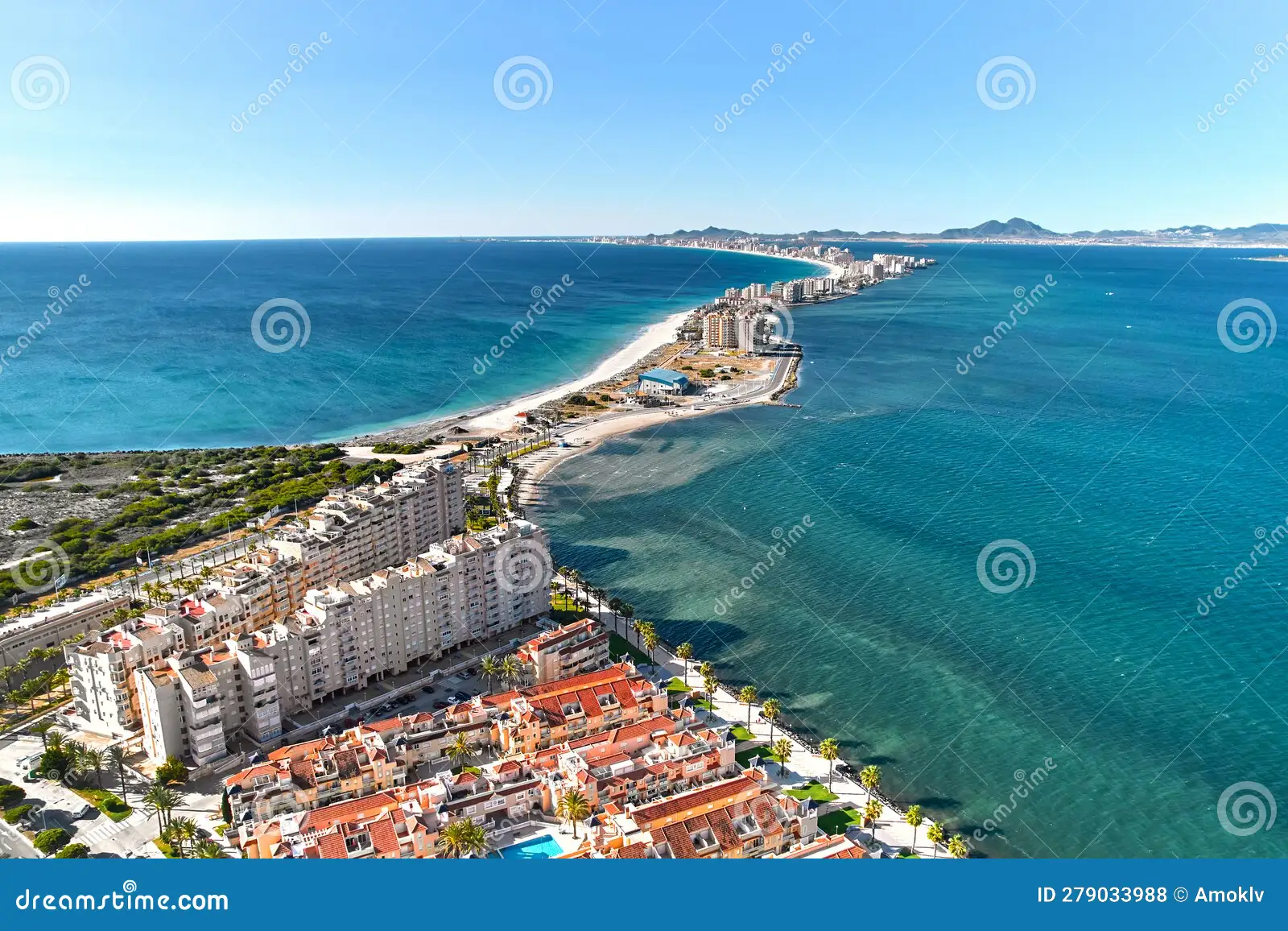
Introduction to Mar Menor
The Mar Menor, located in the Murcia region of southeastern Spain, is Europe’s largest salty lagoon and a vital ecosystem. Covering about 170 square kilometres, it is characterised by shallow waters, high salinity, and a diverse marine life. The lagoon is not only a natural wonder but also an essential habitat for several species, making the conservation of this aquatic environment crucial for ecological balance and local economies.
Environmental Importance
Historically, the Mar Menor has been home to various marine species, including fish, crustaceans, and seagrasses. The unique composition of the lagoon supports extensive biodiversity, providing habitats that are crucial for breeding and feeding. Additionally, its sandy beaches and calm waters make it a popular destination for tourism and recreational activities, significantly contributing to the local economy.
Current Events and Conservation Efforts
Recent years have posed significant challenges for Mar Menor due to environmental degradation primarily caused by agricultural runoff, urban development, and pollution. In September 2021, catastrophic fish die-offs increased public awareness regarding the lagoon’s ecological crisis, prompting a wave of protests and calls for urgent action to restore its health.
The Spanish government and local authorities have commenced several initiatives aimed at rehabilitating the Mar Menor. Efforts include stricter regulations on agricultural practices in surrounding areas, reducing nutrient runoff, and investing in sustainable tourism. For instance, ongoing projects aim to improve water quality through wetland restoration and the introduction of regulations to limit the use of chemicals in farming.
Community Involvement and Future Outlook
Local communities and environmental organisations have played a crucial role in advocating for the Mar Menor. Grassroots movements are focusing on raising awareness about the importance of conservation efforts, illustrating the need for a collective approach to protect this precious natural resource. Educational campaigns aimed at both residents and visitors have also been launched to promote sustainable practices.
Looking ahead, the future of Mar Menor hangs in the balance. Scientists and conservationists warn that unless significant and immediate actions are taken, this unique ecosystem could face irreversible damage. However, with continued community engagement, governmental support, and environmental stewardship, there is hope that Mar Menor can be restored to its former glory, preserving its unique biodiversity for generations to come.
