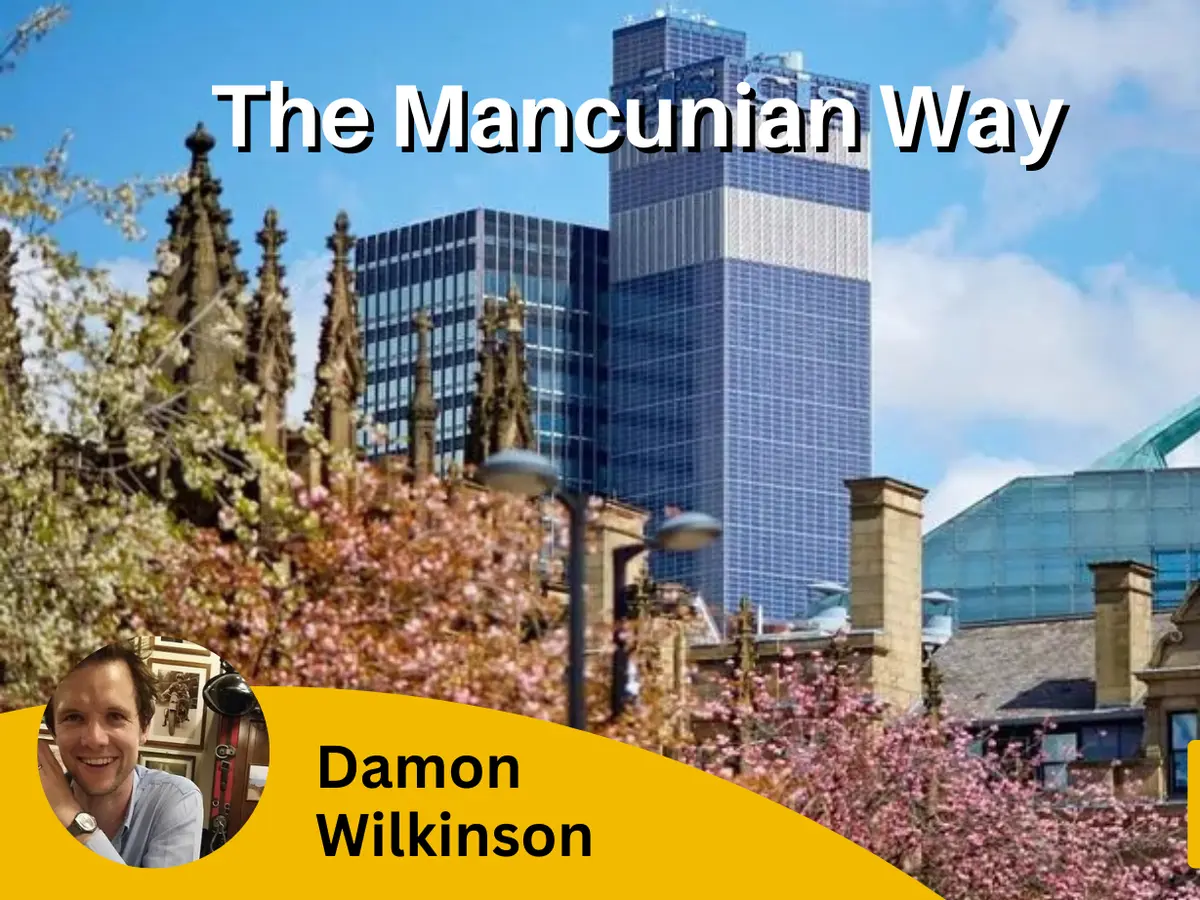
Introduction to Mancunian Way
The Mancunian Way, an essential artery in Manchester, plays a pivotal role in the city’s transport network. Serving as a key highway that facilitates both local and through traffic, it connects various parts of Manchester while supporting the city’s economic growth and urban development. Recently, its relevance has been highlighted by ongoing discussions around infrastructure upgrades and urban planning initiatives aimed at ensuring smoother traffic flow and environmental sustainability.
Current Developments and Challenges
As of late 2023, the Mancunian Way has been under scrutiny due to rising traffic congestion and concerns regarding air quality. The Greater Manchester Combined Authority (GMCA) has proposed several measures to tackle these issues. Among these is the introduction of new cycling lanes and pedestrian pathways, designed to promote alternative forms of transport and reduce reliance on cars. Moreover, officials are exploring the feasibility of implementing smart traffic management systems that utilise real-time data to optimise traffic patterns.
Interestingly, recent reports show that the Mancunian Way has seen a 15% increase in daily traffic over the past five years, suggesting a need for an urgent overhaul of its infrastructure. The region’s population growth and business expansions have contributed to this surge, making it imperative for authorities to address the existing challenges with timely and effective solutions.
Community Impact and Future Outlook
The changes initiated along the Mancunian Way are not just about traffic management; they are also focused on enhancing community wellbeing. Local residents have expressed a desire for a cleaner and safer environment, leading to the proposal for green spaces adjacent to the highway. Such initiatives are expected to contribute positively to air quality and overall urban aesthetics.
As new proposals and developments unfold, it is evident that the Mancunian Way will remain a focal point in Manchester’s ongoing transformation. In the coming years, residents can anticipate a more integrated and balanced transport strategy that meets both economic needs and environmental goals.
Conclusion
The Mancunian Way is more than just a highway; it is a vital element of Manchester’s infrastructure that speaks to the city’s growth and ambitions. As the local government prioritises improvements in commuting conditions while tackling air pollution, the future of this significant route is likely to evolve. For residents and commuters, understanding these developments will have meaningful implications for their daily lives, making it essential to stay informed on progress in the Mancunian Way redevelopment projects.
