Introduction
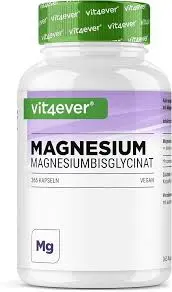
Magnesium glycinate is gaining traction in the health and wellness community, primarily due to its superior bioavailability and potential benefits for a range of health issues. Magnesium, an essential mineral, plays a vital role in numerous bodily functions, including muscle and nerve function, energy production, and bone health. Magnesium glycinate, a compound made from magnesium and glycine, is often preferred for supplementation, particularly for individuals with sensitivity to other forms of magnesium.
The Role of Magnesium in the Body
The human body requires magnesium for over 300 biochemical reactions. Deficiency in magnesium can lead to various health problems such as muscle cramps, fatigue, and anxiety. Reports indicate that up to 50% of the population may not meet their daily magnesium requirements, making supplementation important for many.
The Advantages of Magnesium Glycinate
Magnesium glycinate is noted for its high bioavailability compared to other magnesium supplements. This means that it is more readily absorbed by the body, leading to improved effectiveness. Some key benefits of magnesium glycinate include:
- Reduces Anxiety: Preliminary studies suggest magnesium glycinate may help lessen anxiety by modulating neurotransmitter function and stabilising mood.
- Improves Sleep Quality: Many individuals report better sleep patterns after taking magnesium glycinate. Its calming properties may facilitate relaxation and support restful sleep.
- Supports Muscle Health: Adequate magnesium levels are crucial for muscle relaxation and contraction, helping reduce muscle cramps and improve overall athletic performance.
- Digestive Benefits: Unlike other types of magnesium that can have a laxative effect, magnesium glycinate is gentler on the digestive system, making it suitable for sensitive individuals.
Current Trends and Usage
With rising interest in holistic health, many consumers are turning to magnesium glycinate supplements. According to a recent report from the Global Wellness Institute, the demand for magnesium supplements grew by 20% over the past year, as individuals seek to enhance their overall wellness. Health practitioners are also increasingly recommending magnesium glycinate to patients experiencing anxiety, sleep disturbances, or muscle tension.
Conclusion
Magnesium glycinate has established itself as a popular choice in the realm of dietary supplements. Its high bioavailability and multiple health benefits make it a valuable addition to wellness regimens tailored to improving mental and physical health. As more research emerges regarding its uses and efficacy, magnesium glycinate may become an essential supplement for those looking to enhance their health and well-being. Always consult with a healthcare professional before beginning any new supplement to ensure it is suited to your individual health needs.
