Introduction
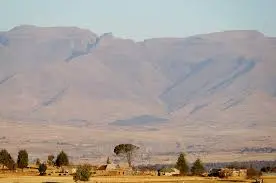
Lesotho, a landlocked country entirely surrounded by South Africa, is a nation rich in culture and history. Often referred to as the “Kingdom in the Sky” due to its mountainous terrain, Lesotho is recognized for its stunning landscapes and unique blend of traditions. As the nation faces various socio-economic challenges, understanding its current context is vital for appreciating its role within Southern Africa.
Geography and Demographics
Located at an altitude of over 1,400 metres, Lesotho boasts the highest lowest point of any country in the world. The capital city, Maseru, lies along the banks of the Caledon River and serves as the political, economic, and cultural hub of the nation. With a population of around 2.1 million people, the country is predominantly Basotho. Languages spoken include Sesotho and English, reflecting the nation’s colonial past and rich cultural heritage.
Current Events and Challenges
In recent weeks, Lesotho has been grappling with several pressing issues. Chief among them is the impact of climate change on agriculture, which is a primary source of livelihood for many. Reports indicate a decline in crop yields due to unpredictable weather patterns, causing food insecurity. According to the World Food Programme, nearly 25% of the population requires food assistance.
The political landscape is also tumultuous, with ongoing discussions about governance and economic reforms. The government is currently making efforts to improve transparency and reduce corruption, which have historically hindered development. Moreover, international organisations are collaborating with local authorities to bolster economic resilience and implement sustainable practices.
Opportunities for Development
Despite these challenges, Lesotho is not without its strengths. The nation has significant potential in sectors such as tourism, due to its breathtaking scenery and cultural richness. The government has launched initiatives aimed at promoting eco-tourism, which could provide a substantial boost to the economy and job creation.
Furthermore, ongoing investment in renewable energy projects, particularly in hydroelectric power, offers a pathway for economic growth while addressing the need for sustainable energy solutions.
Conclusion
Lesotho presents a nuanced case of a nation at the intersection of tradition and modernity, rich in potential yet facing significant challenges. Understanding the current socio-economic landscape is crucial as it navigates through its trials towards progress. The resilience of the Basotho people and the nation’s those efforts to address its challenges could result in positive outcomes, making it a country to watch in the coming years.
