Introduction: The Importance of Weather in Latvia
Weather plays a pivotal role in our daily lives, affecting everything from travel plans to agricultural productivity. For Latvia—a small Baltic nation with diverse ecosystems and a rich cultural heritage—the weather influences not only the routines of its residents but also the tourism industry and agricultural practices. As Latvia navigates its transitional seasons, current weather conditions take precedent in planning and preparation for both locals and visitors.
Current Weather Patterns in Latvia
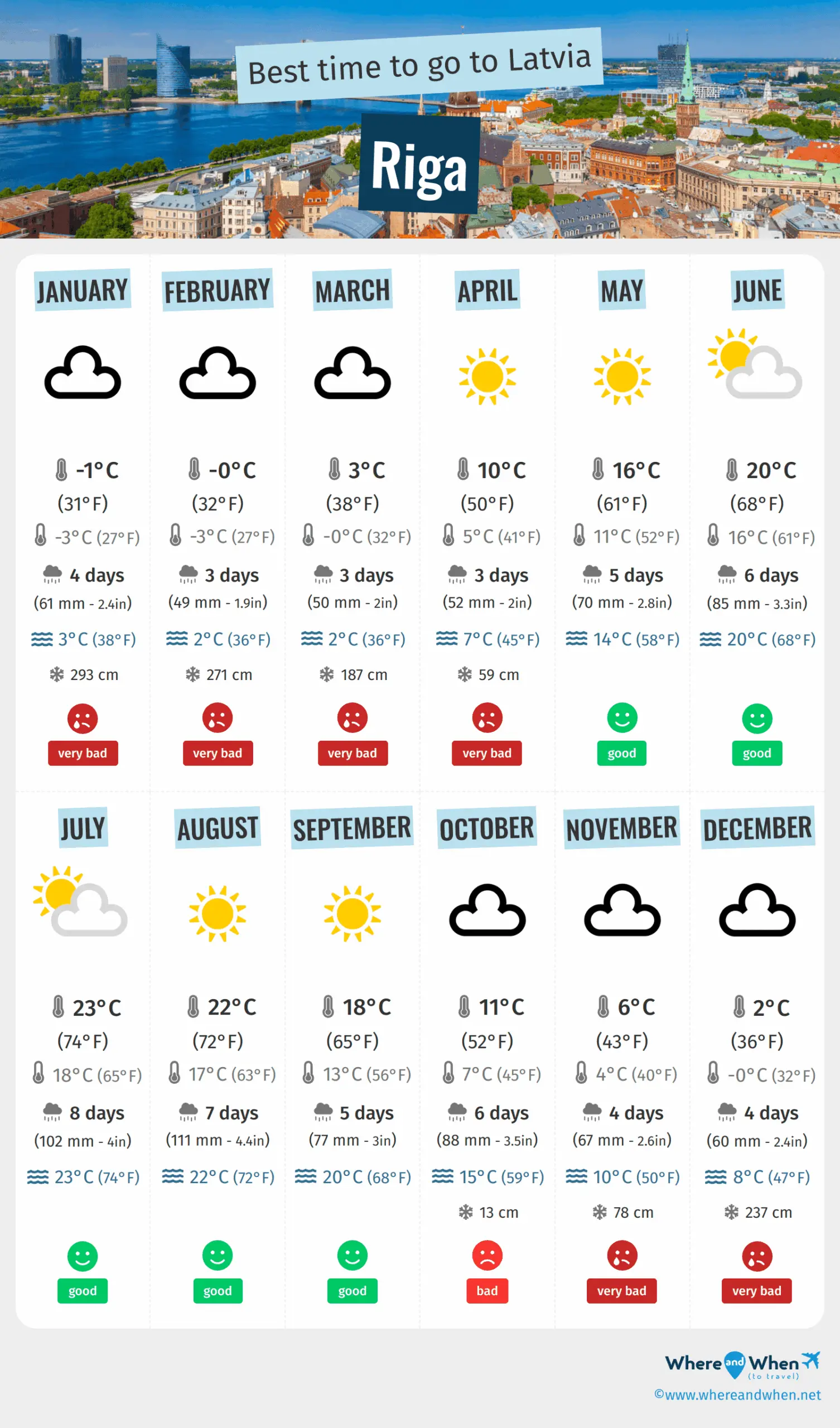
As of October 2023, Latvia is transitioning from its mild autumn into a colder winter. Temperatures are typically ranging between 5°C and 10°C with varying levels of precipitation, particularly in the form of rain. According to the Latvian Environment, Geology and Meteorology Centre, the forecasts indicate an increase in wind speeds, which may result in chilly conditions especially along the coastal regions. Residents are urged to prepare for potential frosty weather as winter approaches.
Seasonal Changes and Climate
Latvia’s climate is classified as maritime continental, marked by mild winters and warm summers. The country experiences about 20 frost days in winter, with snow cover being common from late December through February. The average summer temperature rises to around 22°C, making this the most popular season for tourism, with visitors enjoying the beauty of its forests and rivers. Notably, climate change is inducing noticeable shifts in weather patterns; summers are getting warmer and wetter, while winters are becoming less predictable.
Impact of Weather on Daily Life and Economy
The weather significantly impacts agriculture in Latvia. The country predominantly grows grains, vegetables, and fruits, all of which rely heavily on seasonal conditions. Reports indicate that many farmers are adapting to the changes by employing innovative methods, such as selecting hardier crop varieties. Meanwhile, winter tourism is dependent on sufficient snow, with many resorts relying on attractive weather to draw international visitors. However, warm winters pose a challenge, necessitating strategic planning within the tourism sector.
Conclusion: Looking Ahead at Latvia’s Weather
Understanding weather patterns in Latvia is crucial for making informed decisions that affect daily life and economic stability. As the climate continues to evolve, both residents and industries must adapt to changing conditions. Forecasters predict that Latvia’s weather will remain dynamic, with a mix of cold winters and warmer summers expected. Consequently, it is important for individuals and businesses to stay updated with reliable weather forecasts that can aid in planning for a variety of outdoor activities or agricultural practices. In a world where climate change is increasingly influencing weather patterns, being informed is more vital than ever.
