Introduction
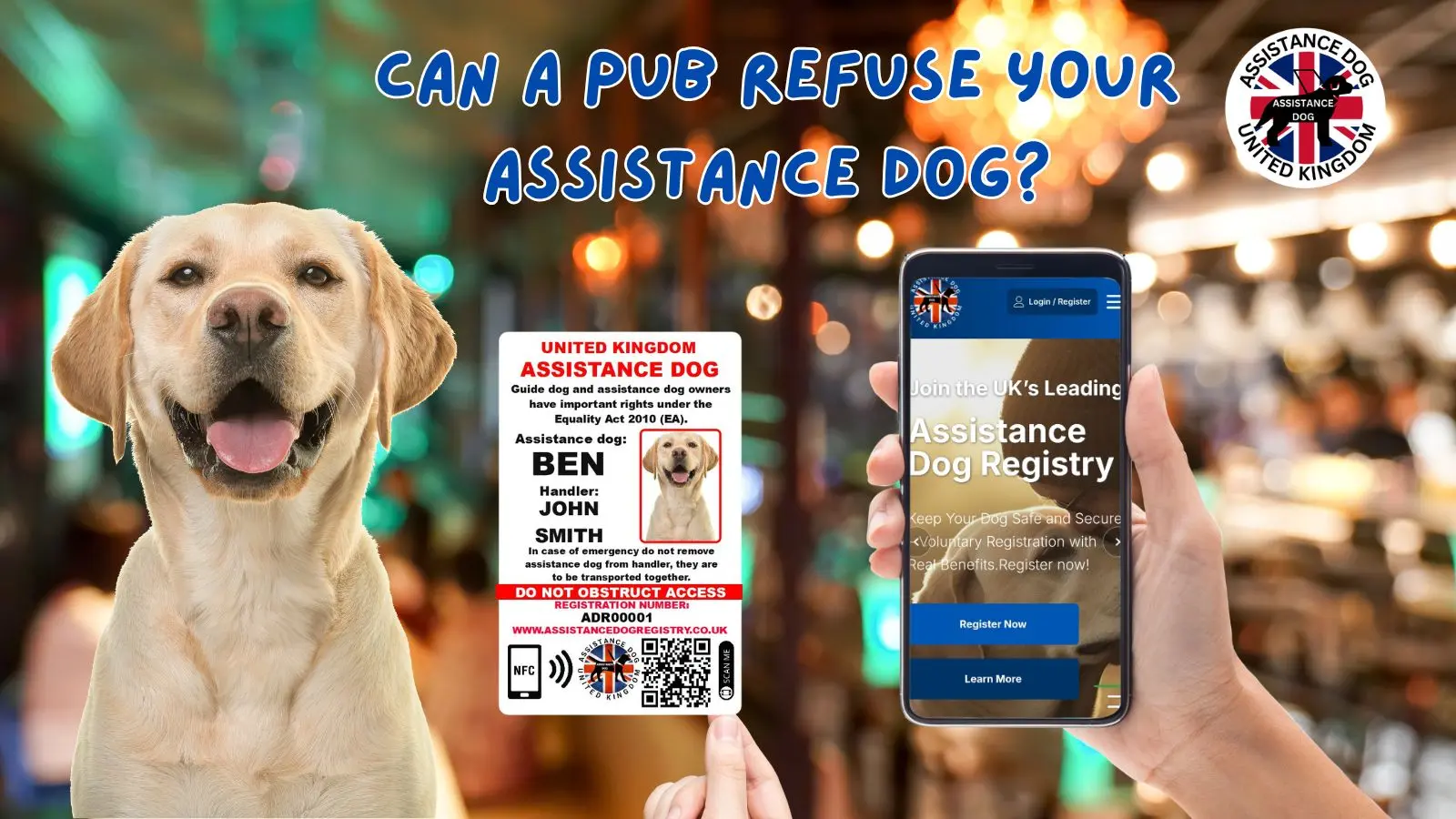
JD Wetherspoon, one of the UK’s largest pub chains, is recognising the importance of inclusivity by providing clear guidelines on assistance dogs within their establishments. As conversations surrounding disability rights and accessibility gain momentum, understanding Wetherspoon’s assistance dog policy is essential for customers and advocates alike. This policy plays a significant role in ensuring that individuals dependent on assistance dogs can enjoy a dining experience without barriers.
Details of the Assistance Dog Policy
The policy states that only trained assistance dogs are allowed within Wetherspoon venues. This includes guide dogs for the visually impaired, hearing dogs for the deaf, and dogs specifically trained to assist those with physical disabilities, among others. The chain is dedicated to providing a friendly and accommodating atmosphere for these patrons, emphasising the importance of assistance dogs in improving the quality of life for individuals with disabilities.
Wetherspoon’s commitment extends beyond mere compliance with legal requirements set forth by the Equality Act 2010; the pub chain actively promotes awareness programs to educate staff on the needs of customers with assistance dogs. By ensuring all staff members are trained to understand and uphold the policy, Wetherspoon aims to create a welcoming environment for everyone.
Recent Developments
In recent months, there have been increased discussions around the accessibility of public spaces, with various organisations advocating for the rights of individuals with disabilities. As part of this broader movement, Wetherspoon has been praised for its transparent communication regarding assistance dogs, which has been shared through social media and official channels annually. These efforts have attracted positive responses from advocacy groups and customers alike.
Conclusion
As JD Wetherspoon continues to refine its assistance dog policy, patrons can expect inclusive and supportive environments in their venues. The pub chain’s dedication to training staff and raising awareness about the needs of individuals who depend on assistance dogs underscores the importance of accessibility in public spaces. With ongoing dialogues and potential future improvements to their policy, Wetherspoon is setting a precedent that may inspire other dining establishments to adopt similar inclusive practices. Ultimately, the significance of such policies reflects a societal commitment to equality and support for all individuals, regardless of ability.
