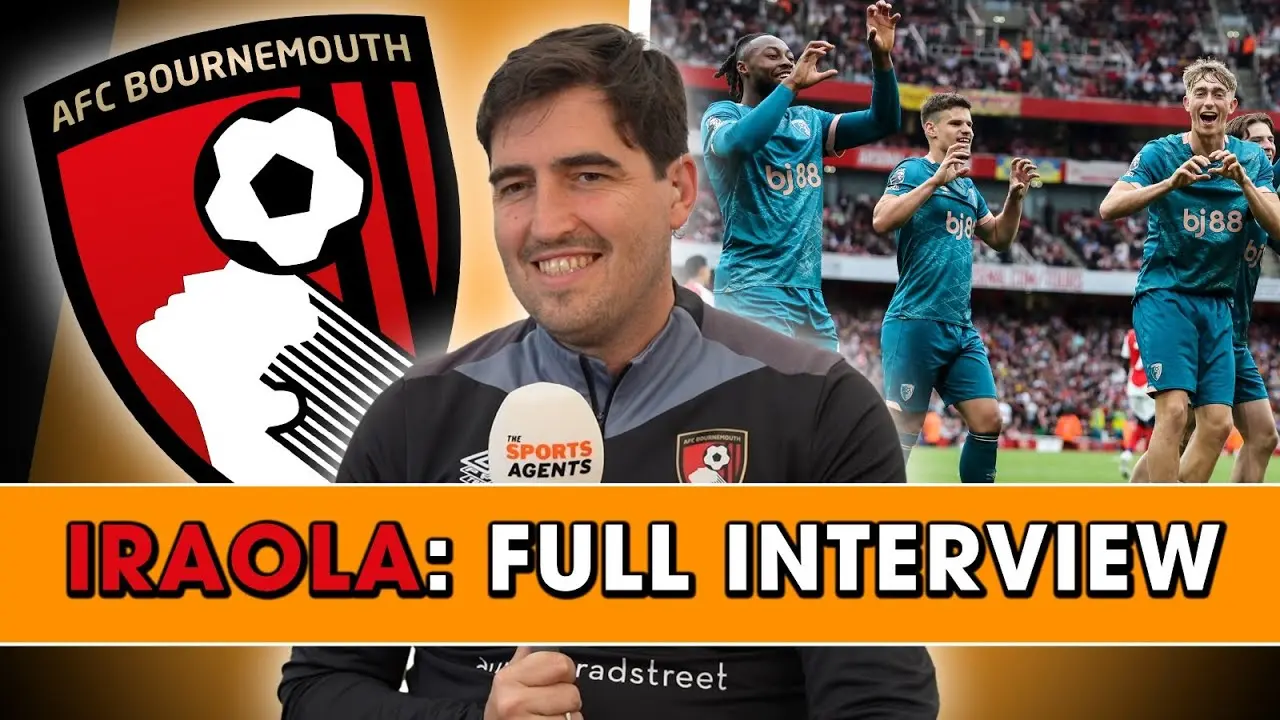
The Rising Star of Football Management: Iraola
As football continues to evolve, the role of managers remains vital in shaping teams into competitive forces. One manager currently making waves in the football world is Andoni Iraola. Known for his tactical acumen and innovative approach, Iraola’s journey to prominence is noteworthy and significant in the modern football landscape.
Career Background
Andoni Iraola, a former professional footballer, was born in 1982 in Zalla, Spain. He made a name for himself as a dependable right-back during his playing days, most notably with Athletic Bilbao, where he spent most of his career. Transitioning into management after retiring in 2018, Iraola quickly began to establish his credentials as a tactician.
Achievements as a Manager
Iraola started his managerial career with Mirandés in Spain’s second division. His tenure there was marked by a clear tactical identity and a focus on developing young talent. In 2021, he took charge of Rayo Vallecano in La Liga. His ability to implement a dynamic playing style that balances resilience with attacking flair led Rayo to a commendable mid-table finish during his first season, a remarkable achievement considering the club’s modest resources.
Current Developments
In recent months, Iraola’s leadership skills have garnered attention amid a flurry of managerial changes across European football. As clubs seek fresh ideas to boost performance, Iraola’s name has been mentioned as a potential candidate for several high-profile positions. His success at Rayo has positioned him as one of the most sought-after coaches, with clubs eyeing his tactical prowess and ability to galvanise teams.
The Importance of Iraola’s Approach
Iraola represents a new breed of managers who emphasise flexibility and the incorporation of data analytics in their strategies. His commitment to playing an attractive brand of football while ensuring defensive solidity has resonated with fans and stakeholders. This balance is crucial as clubs increasingly prioritise sustainable styles that promise long-term success.
Conclusion: The Future of Football Management
Iraola’s trajectory highlights a significant trend in contemporary football management. His emphasis on tactical adaptability and player development positions him as a pivotal figure in shaping future managerial practices. As clubs navigate an increasingly competitive landscape, figures like Iraola may well represent the future direction of football management. With his impressive record and growing reputation, it will be intriguing to observe where his career leads and how he continues to influence the game.
