Introduction
Immigration English requirements are a crucial aspect for individuals seeking to move to an English-speaking country. Proficiency in the English language often serves as a gateway to employment, education, and successful integration into the community. As countries worldwide continue to adapt their immigration policies, understanding these language requirements has become increasingly relevant.
Overview of Immigration English Requirements
Many countries such as the United Kingdom, Canada, Australia, and the United States impose specific English language proficiency benchmarks as part of their immigration processes. These requirements ensure that immigrants can effectively communicate in daily life and contribute positively to society. The Common European Framework of Reference for Languages (CEFR) levels A1 to C2 are commonly referenced, with most countries requiring a minimum of B1 or B2 level for skilled migration.
Recent Developments
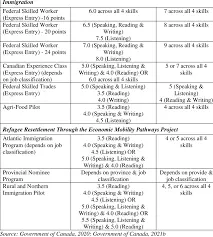
In a recent policy update, the UK Home Office announced changes to the English language requirements for visa applicants. Starting in January 2024, applicants must demonstrate their language proficiency through approved tests such as the International English Language Testing System (IELTS) or the Pearson Test of English (PTE). This policy aims to improve the overall skill level of immigrants entering the UK workforce. Elsewhere, Canada’s Express Entry system continues to prioritise candidates with higher language scores, reflecting the importance of English in the job market.
The Testing Landscape
There are various recognised tests that fulfil immigration English requirements. The most popular include IELTS, TOEFL, and PTE. These tests assess listening, reading, writing, and speaking skills, providing a comprehensive evaluation of an individual’s English capabilities. Additionally, many countries now accept alternative forms of evidence, such as academic qualifications from English-taught programmes, which can streamline the application process for many candidates.
Conclusion
As the landscape of global immigration continues to evolve, understanding immigration English requirements remains essential for anyone considering moving to an English-speaking country. With increasing emphasis on communication skills, aspiring immigrants must prepare adequately by studying for recognised language tests. Looking ahead, it is anticipated that these requirements will become even more stringent, prompting future candidates to prioritise language proficiency as a key part of their early preparations. Meeting these language requirements not only enhances the chances of a successful application but also plays a crucial role in the successful integration and contribution of immigrants in their new communities.
