Introduction
As the Fantasy Premier League (FPL) season progresses, price changes of players become a critical aspect for managers to monitor. These fluctuations significantly impact team strategies, player selections, and overall performance. With thousands of managers competing for the top spot, understanding the dynamics of FPL price changes is vital for maintaining a competitive edge. This article will explore the mechanics of these price adjustments and their implications for FPL players.
How FPL Price Changes Work
FPL price changes are determined by several factors, most notably player performance, transfer activity, and overall interest from managers. Each week, the prices of players may rise or fall based on how many managers buy or sell them in the transfer market. More specifically, a player’s price will usually rise if they receive high transfer activity after scoring points in matches, while a decrease in price often follows poor performances or losing popularity among FPL managers.
The transfer market operates on a supply and demand basis, where a player being in high demand can see their value increase substantially, sometimes by as much as 0.2 million over a week. Conversely, a decline in a player’s form or injury can prompt managers to offload them, resulting in reduced prices. The important thing to notice is how these changes can impact the overall budget available to managers and their potential strategies moving forward.
Recent Trends and Observations
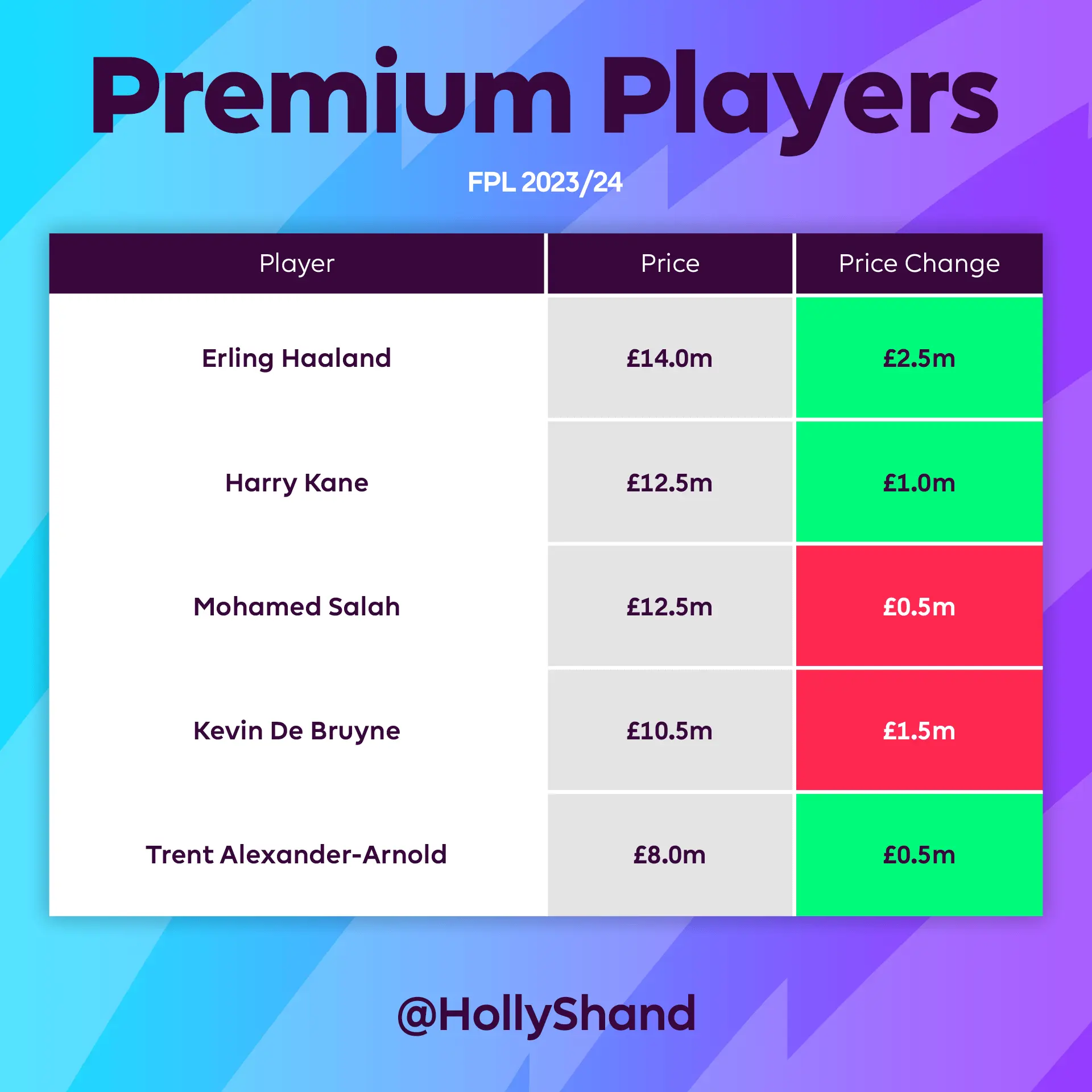
Coming into the latest game week, FPL managers have witnessed significant price fluctuations among key players. For instance, some players who began the season priced at 6.5 million have already seen their prices surge to 7.3 million, following outstanding performances in recent matches. On the flip side, popular assets that started strong but have since underperformed, such as seasoned forwards, are experiencing devaluations, causing some owners to panic-sell before the price falls further.
Moreover, the introduction of ‘instant price changes’ during the season has made it essential for FPL managers to stay alert. As the algorithm updates more frequently to reflect real-time transfers, this has raised the stakes, prompting managers to become more proactive in making transfers. Hence, identifying potential price rises or falls early could be the difference between a balanced squad and a struggling line-up.
Conclusion
In conclusion, understanding FPL price changes is crucial for success in the Fantasy Premier League. Staying informed on player performance trends and being agile can lead to strategic advantages. As the season continues, careful monitoring of these price shifts can not only enhance a manager’s squad but also improve their chances of climbing the ranks. It is clear that being attuned to the dynamics of the transfer market will remain a pivotal aspect of an FPL manager’s approach to securing a top-ranking position this season.
