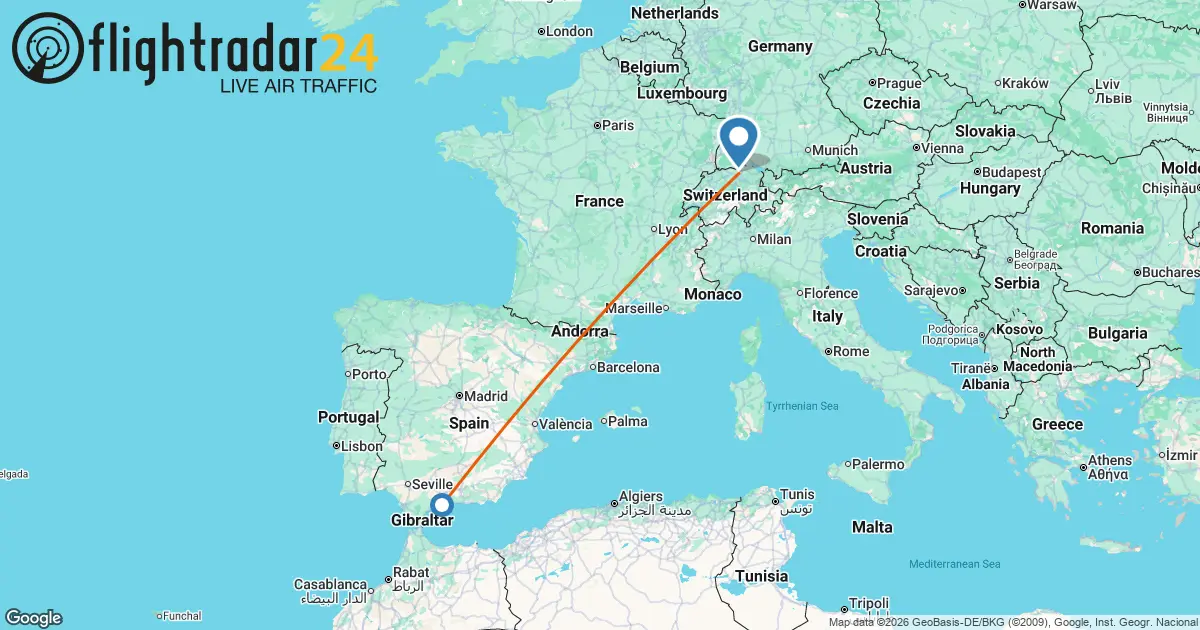
Introduction to Flight Radar
Flight radar technology plays a crucial role in modern aviation, allowing both the public and industry professionals to track aircraft locations in real-time. With the increasing volume of air traffic, the relevant factors that govern flight paths and safety are more significant than ever. The recent advancements in flight tracking systems have made air travel safer and more efficient, highlighting the importance of having reliable tools at our disposal.
How Flight Radar Works
Flight radar operations rely primarily on radar and satellite systems to gather information about aircraft movements. Traditional radar systems are ground-based, utilizing radio waves to detect and track aircraft. However, modern tracking systems have expanded with the advent of ADS-B (Automatic Dependent Surveillance–Broadcast), which enables aircraft to broadcast their position using GPS technology.
Flight radar applications tap into these systems to provide users with real-time information about flight paths, altitudes, and speed. Websites and mobile applications like Flightradar24 allow enthusiasts and professionals alike to access this information instantly, giving them unprecedented insights into current air traffic.
Recent Developments in Flight Tracking
In recent months, the flight tracking technology landscape has continued to evolve. The recent update from Flightradar24, for instance, has introduced new features such as improved air traffic control visualizations and variable altitude tracking, enabling users to see at what height flights are operating. Such advancements not only enhance user experience but also contribute to aviation safety by providing comprehensive situational awareness.
Moreover, during significant events like the COVID-19 pandemic, flight radar technology has been instrumental in tracking air travel trends, helping the aviation industry recover by visualising changes in air traffic flow and passenger patterns. Data collected through flight radar systems has been utilised to strategise better flight routes as air travel resumes globally.
The Importance for the Public and Professionals
Flight radar has ramifications beyond mere curiosity for aviation enthusiasts. For airline operators, it presents vital information that informs scheduling and operational decisions. It also serves security purposes, with real-time tracking contributing to enhanced situational awareness for air traffic controllers and security agencies.
Conclusion
The significance of flight radar technology cannot be understated. As air travel continues to evolve and becomes more important for global connectivity, the advancements in flight tracking systems will undoubtedly play a pivotal role in maintaining safety, efficiency, and reliability within the aviation sector. For both casual travellers and industry professionals, understanding flight radar provides insights that can enhance their experience and operational effectiveness in the skies.
