Introduction
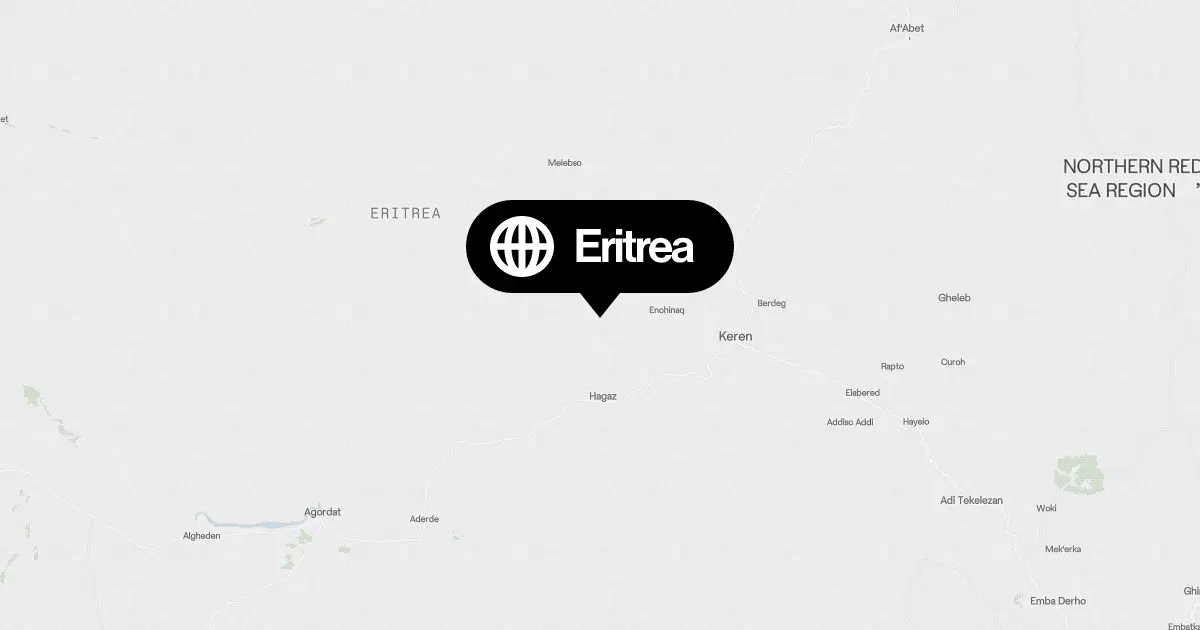
Eritrea, located in the Horn of Africa, is a nation known for its complex history and resilient people. It has a significant strategic location along the Red Sea, which holds not only historical importance but also geopolitical relevance today. Understanding Eritrea is crucial for comprehending the dynamics of the region, particularly in light of its ongoing post-independence issues.
History of Eritrea
Eritrea’s history is marked by a long struggle for independence from Ethiopian rule, culminating in independence in 1993. The liberation war against Ethiopia lasted for thirty years, and the victory was celebrated globally. However, since gaining independence, Eritrea has faced various challenges that have put its sovereignty and development at risk.
Current Political Landscape
Under the leadership of President Isaias Afwerki, Eritrea has been described as one of the most repressive regimes in the world. The absence of democratic institutions and ongoing military conscription have raised human rights concerns. In 2023, reports from organisations such as Human Rights Watch have continued to highlight issues related to forced labour and restrictions on freedom of expression.
Economic Challenges and Prospects
Eritrea’s economy faces significant hurdles, primarily due to its limited infrastructure, reliance on agriculture, and the effects of international sanctions. Although there are efforts to exploit minerals, progress is impeded by the overall instability within the region. In recent years, discussions around economic reform have emerged; however, many are sceptical about the government’s commitment to sustainable development.
Regional Relations
Eritrea’s relationships with its neighbours, particularly Ethiopia and Djibouti, have fluctuated. Following a peace agreement with Ethiopia in 2018, there were hopes for renewed cooperation. However, border disputes and regional conflicts have complicated these diplomatic efforts, emphasising the need for a stable political environment.
Conclusion
The future of Eritrea is uncertain, but the resilience of its people remains a source of hope. As international attention continues to focus on human rights and economic reforms, Eritrea may stand at a crossroads. With the right support and commitment to change, there is potential for a brighter future. Observers suggest that the upcoming years could be critical for Eritrea as it navigates both internal challenges and regional dynamics.
