Introduction
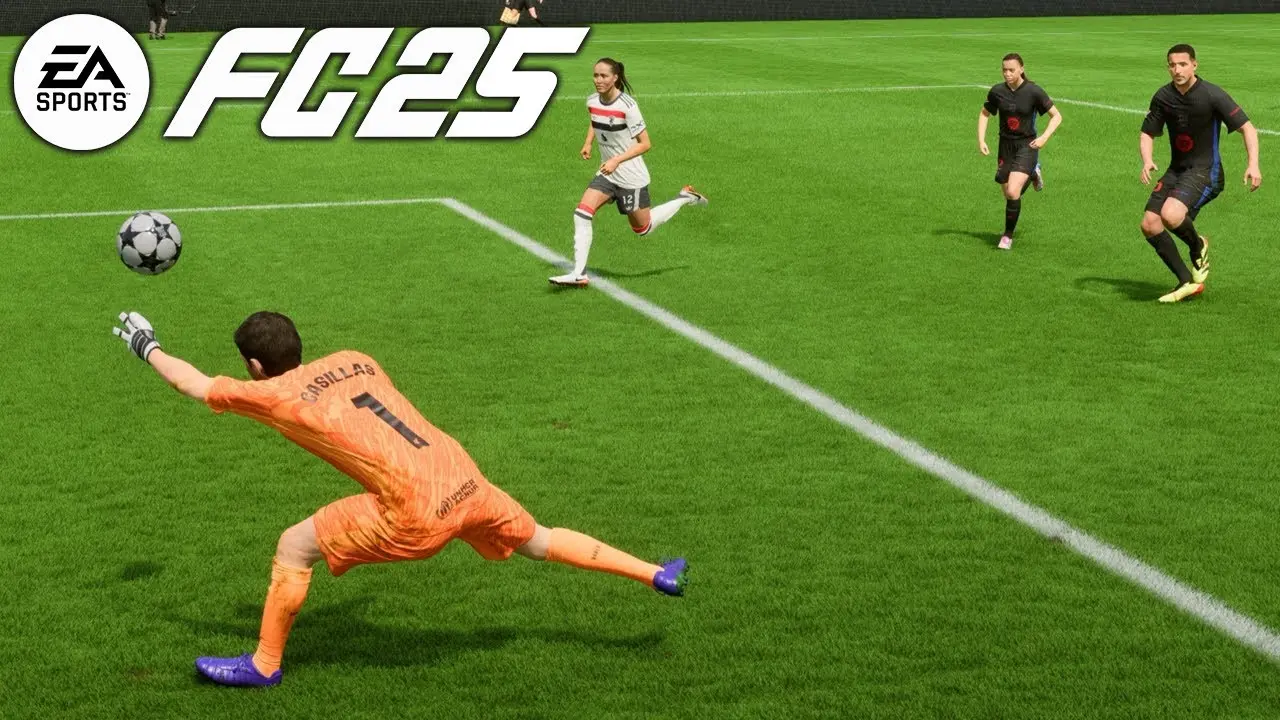
The world of e-sports continues to evolve, introducing new competitions that captivate audiences globally. One of the latest additions to this dynamic landscape is EAFC (Electronic Arts Football Club), a competitive platform emerging from the renowned FIFA gaming series. As traditional sports fans merge with gaming enthusiasts, EAFC represents a significant shift in how football games are played and experienced on a global scale.
What is EAFC?
EAFC is the new branding for Electronic Arts’ football simulation games that take place after EA and FIFA ended their licensing partnership in 2022. This initiative not only introduces a fresh brand identity but also focuses on building a community-driven platform for players. The changes encompass an array of new features such as expanded game modes, enhanced online multiplayer capabilities, and a more immersive overall experience with a focus on realism.
Recent Developments
In 2023, EAFC has gained significant traction due to its impressive gameplay mechanics and extensive player roster. The inaugural EAFC Champions League attracted thousands of spectators live and online, highlighting the growing popularity of e-sports as a spectator sport. Major brands and sponsors are beginning to partner with EAFC, further solidifying its position in the realm of competitive e-sports. According to industry analysts, competitive gaming revenue is set to grow by over 20% in the upcoming years, with EAFC playing a pivotal role in this trend.
Significance of EAFC for the Gaming Community
EAFC has not only revived excitement within the gaming community but also encouraged inclusivity, offering players of all skill levels a chance to participate in organised competitions. Amateur and professional leagues are increasingly intertwined, helping to foster raw talent and facilitate the growth of budding e-sports athletes. Additionally, EAFC’s focus on community feedback has encouraged a more user-centric approach to game development, making it a cornerstone of the evolving narrative of digital football.
Conclusion
The emergence of EAFC marks a crucial milestone in the world of e-sports, expanding the horizons of both competitive gaming and football. As more players and fans engage with the platform, the future prospects appear bright, potentially reshaping how football is perceived and played through digital mediums. Understanding the dynamics of EAFC will be essential for both fans and participants as the e-sports industry continues to grow and evolve.
