Introduction
The Department for Work and Pensions (DWP) plays a crucial role in the UK’s welfare system by providing financial assistance through various payments to individuals in need. These payments include Universal Credit, Pension Credit, and disability benefits, which are vital for millions of British citizens. The relevance of DWP payments has surged, especially in light of the ongoing economic challenges faced by many households due to rising living costs and adjustments in governmental policies.
Current State of DWP Payments
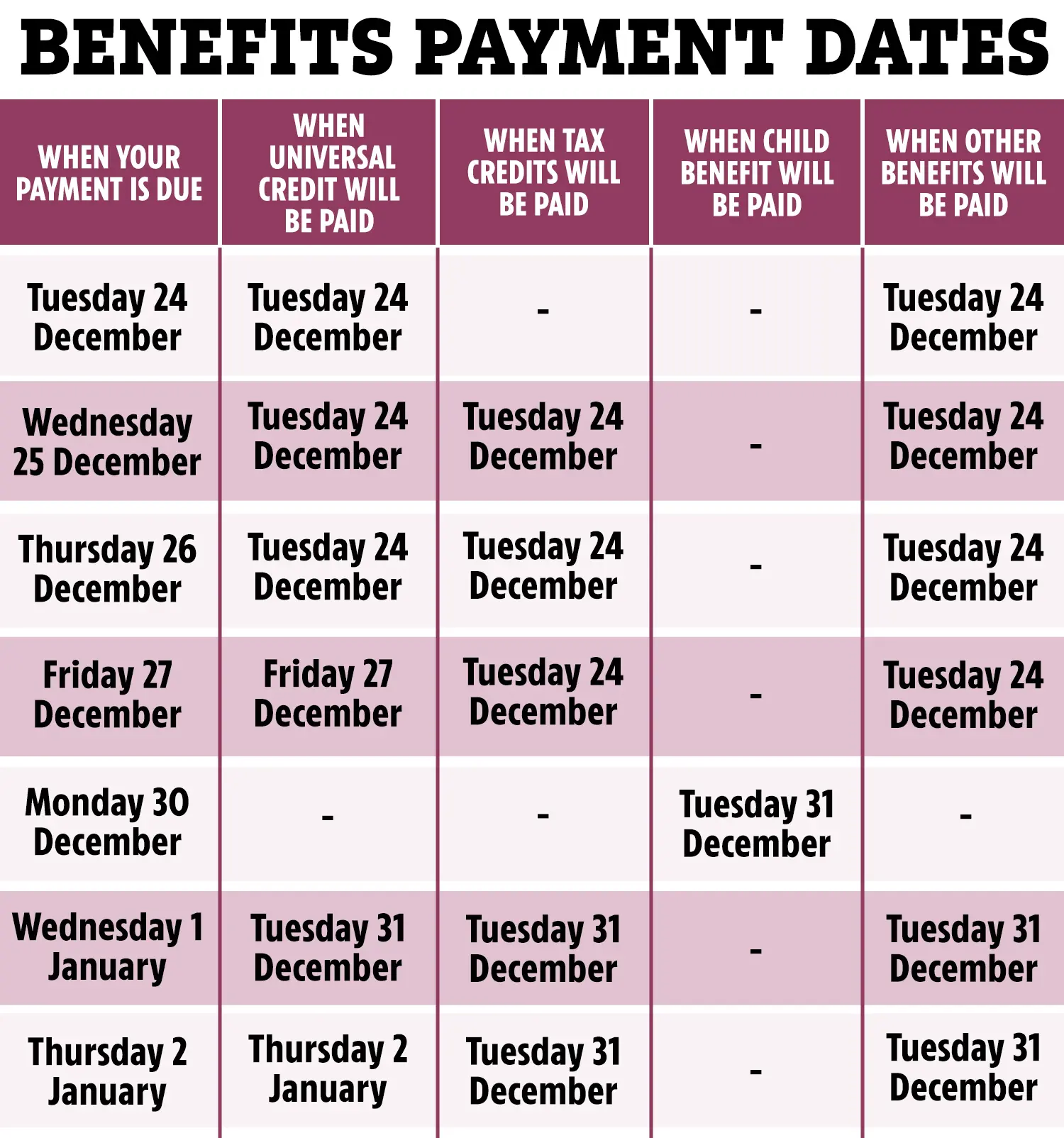
As of 2023, the DWP is facing increased scrutiny regarding its payment systems and the effectiveness of the benefits provided. With a reported 5.6 million people currently receiving Universal Credit, the DWP has been under pressure to streamline processes and improve communication about payment schedules. Recent updates in policy have aimed at making these payments more accessible and timely.
In October 2023, a significant change concerning DWP payments was announced, with the government pledging to increase the annual rates for several benefits by 3.1% in line with inflation rates. This change follows a review of the benefits system aimed at ensuring that assistance reflects the economic realities faced by vulnerable populations.
Increased Scrutiny and Challenges
Despite the government’s intentions, challenges remain concerning the timely distribution of payments. Problems relating to delays, errors in claim processing, and the inherent complexity of the benefit system have led to criticisms from advocacy groups. Many claimants report experiencing financial hardship due to delays in receiving their entitled payments. In response, the DWP has launched initiatives to improve its online systems and service delivery, including a mobile-friendly platform designed to facilitate claims and inquiries.
Future Outlook
The future of DWP payments rests heavily on the government’s ability to enhance the efficiency of the benefit administration process. Experts suggest that the integration of advanced technology and real-time data analysis could be key in overcoming some of the existing bottlenecks. Furthermore, as the ongoing economic uncertainty continues, it is anticipated that the DWP will need to further adapt its strategies to ensure that payments meet the needs of the public effectively.
Conclusion
DWP payments are a lifeline for many individuals across the UK, offering essential support during challenging times. As the landscape of welfare continually evolves, it remains imperative for both the government and citizens to stay informed about these developments. By understanding the current state and anticipated changes in DWP payments, recipients and stakeholders can better navigate the benefits system and advocate for needed improvements.
