Introduction
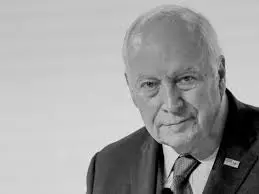
Dick Cheney, the 46th Vice President of the United States from 2001 to 2009, remains a polarising figure in American politics. His influence during the George W. Bush administration was substantial, particularly in shaping U.S. foreign policy in the wake of the 9/11 terrorist attacks. Understanding Cheney’s role provides insights into the shifts in American political landscape and its repercussions on global relations.
Cheney’s Political Career
Born on January 30, 1941, in Lincoln, Nebraska, Cheney’s political journey began in the 1960s. He swiftly made his mark by working for former President Gerald Ford as a staff assistant. By the late 20th century, Cheney held numerous significant positions, including Secretary of Defence under George H.W. Bush, where he played a crucial role in the Gulf War.
His transition to Vice President came under George W. Bush, where he was instrumental in the administration’s policies. Cheney’s advocacy for the Iraq War, primarily justified by the assertion of weapons of mass destruction (WMDs) in Saddam Hussein’s regime, has been a focal point of his legacy. Even today, the rationale for that war is debated, with many analysts criticising Cheney’s role in promoting it.
Controversies Surrounding Cheney
Cheney’s tenure as Vice President was marked by controversies, including accusations of overreach of executive power and a diminished focus on civil liberties in the post-9/11 era. His role in the establishment of enhanced interrogation techniques, which many consider torture, continues to spark debate over ethical governance.
The documentary ‘The World According to Dick Cheney’ released in 2013, offers a nuanced perspective, portraying him as a figure of conviction, undeterred by the moral dilemmas his policies presented. Critics argue that Cheney exemplified a shift towards neoconservatism that has since influenced ongoing U.S. foreign policy.
Legacy and Current Relevance
As America faces new global challenges, including the rise of China and the reshaping of Middle Eastern dynamics, Cheney’s legacy is viewed through a complex lens. His decisions and their lasting impacts raise important questions regarding American engagement abroad, national security, and the balance between liberty and safety.
This scrutiny of Cheney reminds current and future political leaders of the long-term ramifications of their decisions on foreign policy. The ongoing discussions regarding his actions in office continue to shape the debate on the role of the U.S. in global affairs.
Conclusion
In closing, Dick Cheney’s political career exemplifies the complexities and controversies inherent in leadership during pivotal historical moments. As discussions on governance and foreign policy evolve, understanding Cheney’s legacy remains crucial for comprehending the trajectory of American politics and its implications for future leadership.
