The Evolution of COVID Symptoms
The COVID-19 pandemic has significantly altered the global landscape since its emergence in late 2019. As we progress further into 2025, it remains essential for the public to stay informed about current COVID symptoms. Understanding these symptoms can aid in early detection and treatment, ultimately contributing to controlling the virus.
Current COVID Symptoms in 2025
Research conducted in early 2025 indicates that COVID-19 has mutated into several variants, each presenting a slightly different array of symptoms. Common symptoms now include:
- Persistent cough
- High fever
- Loss of taste or smell
- Shortness of breath
- Fatigue
- Muscle or joint pain
- Headaches
- Gastrointestinal upset (diarrhoea, nausea)
- Rashes in some cases
Importantly, many infected individuals report experiencing symptoms that closely resemble a cold or influenza. This has prompted the UK’s National Health Service (NHS) to update its public information, emphasising the need for those with mild symptoms to remain vigilant and consider getting tested.
Recent Research Findings
A study published in early 2025 in The Lancet highlights the significant role that vaccination plays in shaping symptom presentation. Researchers found that vaccinated individuals often experience milder symptoms, and breakthrough infections generally result in a shorter duration of illness when compared to unvaccinated individuals. Moreover, the variants circulating this year seem to correlate with symptoms appearing more like those of typical seasonal illnesses.
Impact of Long COVID
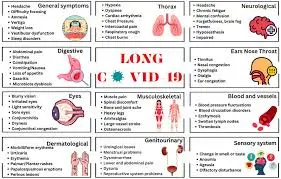
Another critical aspect of the ongoing pandemic is the phenomenon referred to as Long COVID, where symptoms persist long after the initial infection. New statistics suggest that approximately 10% of COVID-19 survivors will experience Long COVID in some form, presenting symptoms such as extreme fatigue, cognitive difficulties (often termed ‘brain fog’), and sleep disturbances.
Conclusion and Future Outlook
As we advance further into 2025, the dynamic nature of COVID-19 necessitates continuous public awareness and adaptation to new information regarding symptoms. Health authorities worldwide continue to monitor and research these developments to provide the most accurate guidance. It is crucial for individuals to remain informed, practice hygiene measures, and prioritise vaccination to not only protect themselves but also support broader public health efforts. Staying educated on COVID symptoms, especially as variants emerge, will be vital for navigating this ongoing crisis.
