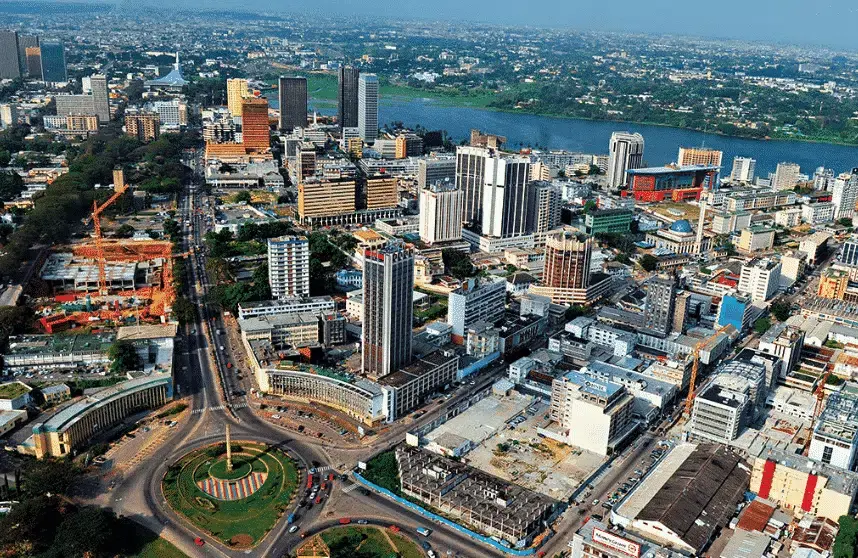
Introduction to Cote d’Ivoire
Cote d’Ivoire, also known as Ivory Coast, is a West African nation renowned for its rich cultural heritage and economic potential. The country’s importance is underscored by its status as one of the largest cocoa producers globally, contributing significantly to the world’s chocolate supply. In recent years, Cote d’Ivoire has been focusing on national development and economic diversification, making it a focal point of interest for investors and global observers alike.
Recent Economic Developments
In light of recent efforts to foster economic resilience, the Ivorian government has undertaken numerous initiatives to promote infrastructure development and diversify its economy. According to the African Development Bank, Cote d’Ivoire’s GDP has shown robust growth, estimated at around 7% in 2023. The economic growth is attributed to strong performances in agriculture, manufacturing, and services.
Additionally, the government has invested heavily in transportation infrastructure, including the expansion of roads and the modernization of port facilities. These investments have been essential in facilitating trade and enhancing the country’s connections to other regional markets.
Cultural Significance
Cote d’Ivoire is celebrated for its diverse cultures, which are reflected in its various ethnic groups, languages, and traditions. The country’s vibrant festivals, music, and art are integral to its identity. Notably, the Fêtes des Masques (Festival of Masks) is one of the most recognized cultural events, showcasing traditional music and dance, and attracting tourists from across the globe.
Moreover, the Ivorian cuisine, known for its variety and flavors, plays a vital role in social gatherings and celebrations. Dishes like attiéké (fermented cassava) and foutou (mashed plantain or cassava) highlight the agricultural abundance of the region and its culinary traditions.
Future Outlook
As Cote d’Ivoire continues to strengthen its economic foundation, the future looks promising. Analysts predict that increased investment in technology, agribusiness, and renewable energy could further propel the country’s growth. Furthermore, the government’s commitment to improving education and enhancing job opportunities for its youth indicates a long-term vision for sustainable development.
In conclusion, Cote d’Ivoire stands at a pivotal moment in its history as it integrates modern economic strategies while preserving its rich cultural heritage. For readers interested in global markets, Cote d’Ivoire presents significant opportunities and a fascinating study of development amidst diversity.
