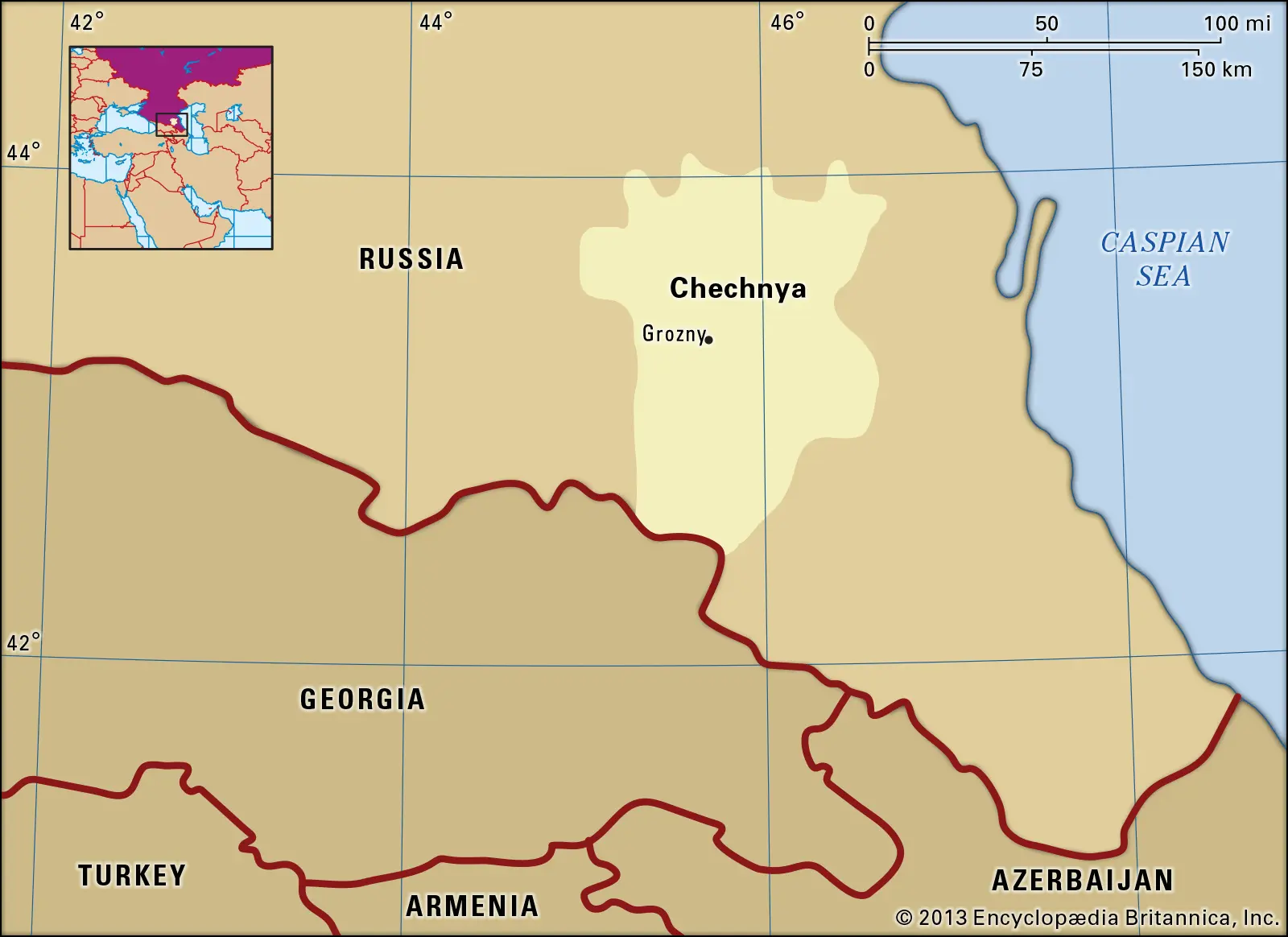
The Importance of Chechnya
Chechnya, a small but strategically significant republic within the Russian Federation, continues to be a focal point of international attention due to its complex political landscape, human rights issues, and ongoing conflicts. Understanding Chechnya is crucial not only for grasping regional dynamics but also for appreciating Russia’s broader geopolitical strategies.
Current Events in Chechnya
As of 2023, Chechnya remains under the leadership of Ramzan Kadyrov, who has been in power since 2007. His governance is marked by reports of human rights abuses, with various international organisations highlighting cases of torture, extrajudicial killings, and restrictions on freedom of expression. Kadyrov’s regime has been openly repressive, targeting LGBTQ+ individuals and dissenting voices within the republic.
In recent months, there have been several notable incidents that underscore the ongoing tensions in the region. Reports surfaced in early 2023 of a crackdown on opposition groups, leading to widespread arrests and increased pressure on civil society. In response, human rights NGOs have called for international observers and sanctions against Chechen officials implicated in these abuses.
The Significance of Chechnya in Global Politics
The situation in Chechnya is intertwined with larger geopolitical issues, particularly concerning Russia’s relationship with the West. The United States and European Union have imposed sanctions on Kadyrov and his associates in response to human rights violations, further straining relations between Russia and Western governments. Furthermore, the Chechen conflict has implications for broader security challenges in the North Caucasus region, which has been historically prone to insurgency and violence.
Conclusion and Future Outlook
The future of Chechnya remains uncertain. Kadyrov continues to consolidate power, yet the underlying grievances among the populace could give rise to renewed instability. The international community’s response will likely remain crucial in influencing the trajectory of human rights and governance in Chechnya. For residents, the hope for a peaceful and just society appears distant as the current political climate suggests a continuation of repression and unrest.
In summary, Chechnya presents a critical case study in contemporary geopolitics, embodying the complexities of regional governance, human rights challenges, and international relations.
