Importance of Understanding Antidepressants Side Effects
Antidepressants play a vital role in managing various mental health disorders, including depression and anxiety. Given the increasing number of individuals being prescribed these medications, it is essential for patients and healthcare providers to be informed about the potential side effects associated with their use. Understanding these effects can help mitigate risks and ensure the safe and effective use of antidepressants.
Common Side Effects
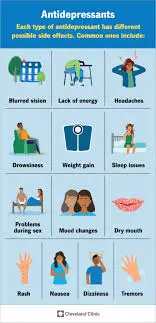
The most frequently reported side effects of antidepressants can vary depending on the specific type of medication. However, some common side effects include:
- Weight Gain: Many patients report experiencing weight gain as a common side effect, particularly with medications such as Selective Serotonin Reuptake Inhibitors (SSRIs).
- Sexual Dysfunction: Patients may struggle with decreased libido, delayed orgasm, or erectile dysfunction, which are notably reported with SSRIs and serotonin-norepinephrine reuptake inhibitors (SNRIs).
- Dry Mouth: This discomfort arises from the impact of antidepressants on saliva production, which can lead to difficulties in swallowing and speaking.
Less Common but Serious Side Effects
While many side effects are manageable, some can be more serious and should prompt immediate medical attention. These may include:
- Suicidal Thoughts: In some individuals, especially those under 25, antidepressants may increase the risk of suicidal thoughts and behaviours. Monitoring is crucial during the initial treatment phase.
- Serotonin Syndrome: This potentially life-threatening condition occurs due to excessive serotonin levels and can present symptoms such as confusion, rapid heart rate, and muscle rigidity.
- Withdrawal Symptoms: Discontinuation of certain antidepressants, particularly serotonin-norepinephrine reuptake inhibitors, can lead to withdrawal symptoms, including agitation, nausea, and sensory disturbances.
Recommendations for Patients
Individuals prescribed antidepressants should maintain open communication with their healthcare providers. It’s crucial to report any adverse effects promptly and to have regular check-ins to monitor progress and side effects. Patients should never stop taking antidepressants abruptly without medical guidance, as this can worsen symptoms or provoke withdrawal effects.
Conclusion: The Importance of Knowledge
Understanding the side effects of antidepressants is essential for all individuals undergoing treatment for mental health disorders. Awareness will help patients manage their treatment plans effectively and make informed decisions regarding their health. As research continues to evolve in this area, it is hoped that better options emerge, minimising side effects and maximising the benefits of antidepressant therapy.
