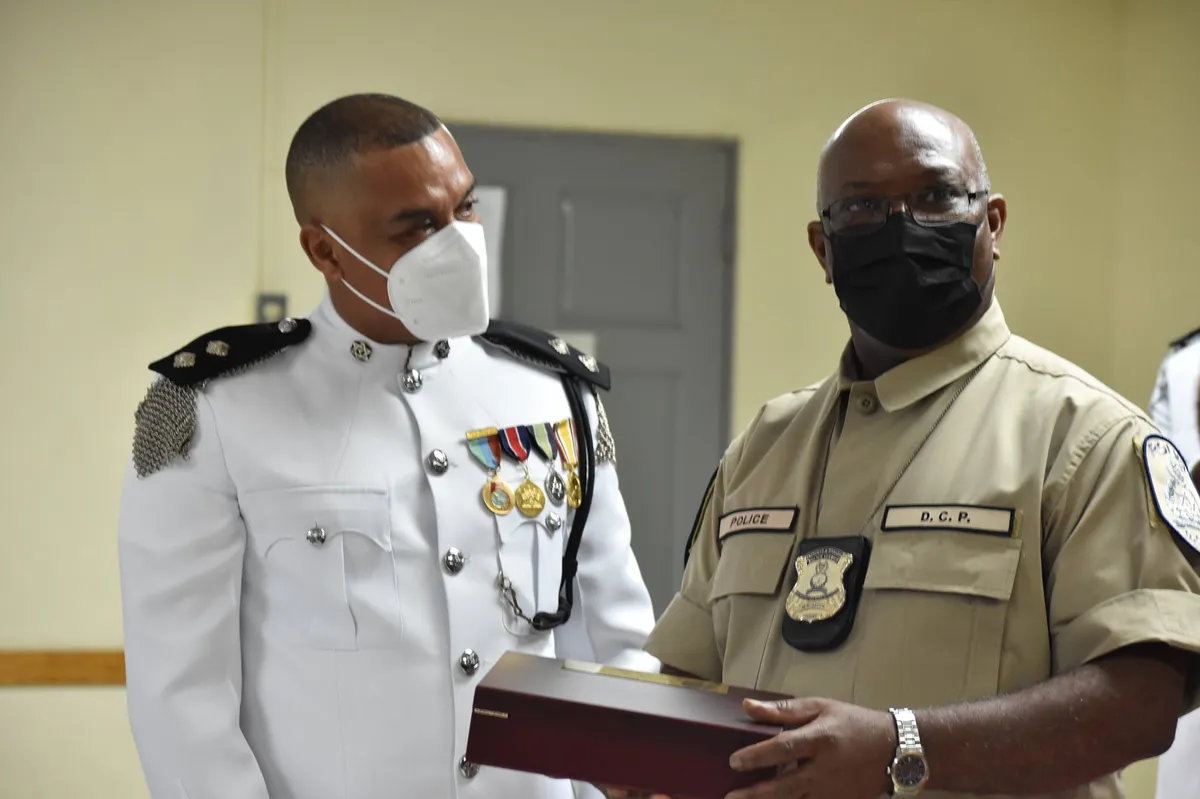
The recent discovery of 56 bodies in Cumuto, Trinidad and Tobago, marks a grim turning point for the Trinidad and Tobago Police Service (TTPS). Previously, citizens were grappling with an uptick in organized crime, a situation that had already strained public trust. In 2020, the homicide rate was 20 per 100,000 people. Fast forward to 2024, and that figure surged to 45.7, reflecting a dire trend.
Now, with this shocking find—comprising mostly infants—preliminary indications suggest unlawful disposal of unclaimed corpses. This revelation is not just disturbing; it raises critical questions about how such a situation could occur under the watch of law enforcement. How did these bodies end up abandoned? The TTPS is now under immense scrutiny.
The immediate effects are palpable. Families are understandably distraught, and Allister Guevarro, a spokesperson for the TTPS, acknowledged this emotional turmoil: “The nature of this discovery is deeply troubling…” His words resonate deeply in a nation already grappling with fear.
Moreover, some adult bodies bore identification tags akin to those used at morgues. This detail hints at systemic failures within the handling of deceased individuals, which raises further concerns about accountability. As Guevarro stated emphatically, “Every cadaver must be handled with dignity… Any individual or institution found to have violated that duty will be held fully accountable.”
But what does this mean for law enforcement? The TTPS has struggled with public confidence as crime rates have soared. In 2024 alone, there were 623 murders reported—a staggering statistic that underscores a growing crisis.
Kamla Persad-Bissessar, a prominent political figure, has vowed to take action against criminals who terrorize citizens. Her commitment reflects an urgent need for decisive leadership amid chaos: “If criminals want to terrorize law-abiding citizens… I will do everything legally possible to terrorize criminals…” Such rhetoric may resonate with an anxious populace seeking reassurance.
This context matters because it highlights the broader implications for governance and community safety in Trinidad and Tobago. The improper disposal of human remains is not merely a legal issue; it encapsulates societal values regarding life and dignity.
Forensic analysis is currently underway to determine the origin of these remains. Yet details remain unconfirmed as investigators sift through this tragic scene. The stakes are high—not just for the TTPS but for every citizen who deserves safety and respect.
As we reflect on this harrowing event, it’s clear that Trinidad and Tobago faces a pivotal moment. Will this serve as a catalyst for reform within the police service? Or will it deepen existing fears among citizens? Only time will tell.
