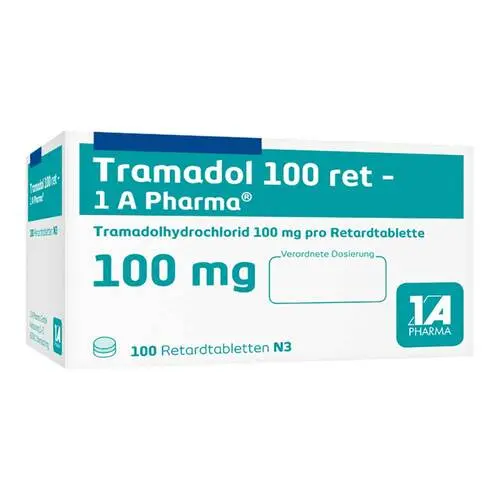
Introduction to Tramadol
Tramadol is a medication that has gained significant attention for its ability to manage moderate to moderately severe pain. As a synthetic opioid, it functions by altering the way the brain and nervous system respond to pain, thus providing relief to individuals suffering from various ailments. Its relevance in today’s healthcare landscape is underscored by the ongoing challenges of pain management and the opioid crisis impacting many regions.
What is Tramadol?
Tramadol is classified as a centrally acting analgesic and is used in multiple healthcare settings. First approved in the United States in 1995, it is often prescribed for conditions such as post-surgical pain, arthritis, and fibromyalgia. It is available in various forms, including immediate-release and extended-release tablets, as well as an oral solution.
How Tramadol Works
The medication primarily works by binding to opioid receptors in the brain, which leads to decreased perception of pain. Additionally, Tramadol inhibits the reuptake of norepinephrine and serotonin, neurotransmitters that play a role in the body’s pain regulatory system. This dual mechanism is believed to contribute to its effectiveness in pain relief.
Potential Risks and Side Effects
While Tramadol can be beneficial for pain relief, it is not devoid of risks. Common side effects include nausea, dizziness, headaches, and constipation. More severe risks involve the potential for dependence and addiction, particularly if the medication is misused or taken for a longer duration than prescribed. Recent studies have also suggested that Tramadol may pose an increased risk of seizures compared to other opioids, particularly when taken above the recommended dosage.
Current Prescribing Trends
According to recent data from the National Institute on Drug Abuse, prescriptions for Tramadol have varied over the years, with healthcare providers balancing the benefits of pain relief against the potential for abuse. Regulatory changes have made it a controlled substance in many jurisdictions, which has impacted its availability and prescribing practices.
Conclusion and Future Implications
In conclusion, Tramadol remains an important tool in pain management but comes with a set of risks that require careful consideration by both healthcare providers and patients. As the medical community continues to grapple with the complexities of pain management, ongoing education and monitoring are essential to ensure the safe use of medications like Tramadol. Future discussions may focus on alternative pain management strategies and the development of new analgesics with fewer side effects and lower abuse potential.
