Introduction
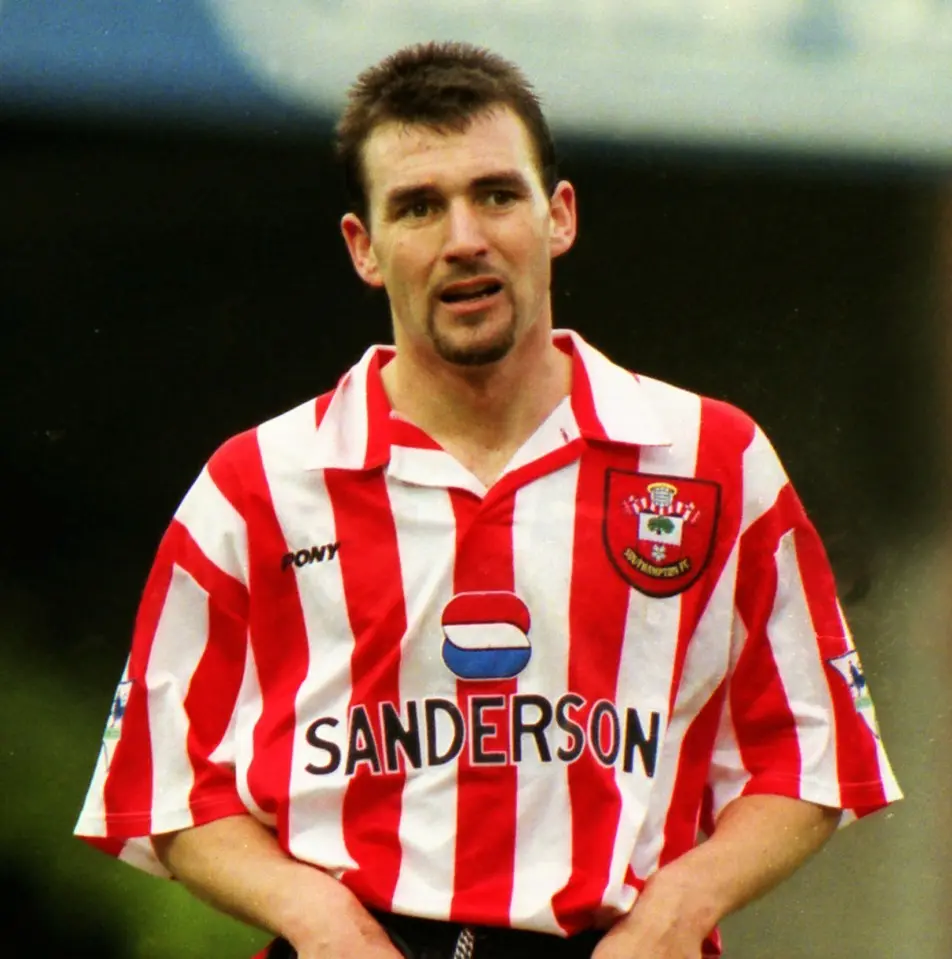
Tommy Widdrington, a name increasingly recognised within the football community, is carving out an impressive career as a football manager. Known for his strategic approach and development of young talent, Widdrington has generated significant interest following his recent managerial successes. The importance of Widdrington’s rising profile highlights a shift towards innovation in coaching styles within the sport.
Career Turnaround
Widdrington began his managerial journey at Eastbourne Borough in 2019, where he quickly gathered attention for his tactical flair and ability to bring out the best in his squad. Under his guidance, Eastbourne managed to lift their performance, showcasing sharp positional play and a focus on youth development. His ability to adapt to varying challenges in the league reflected a growing trend in football management, where young managers are increasingly prioritised.
Recent Achievements
In the latest season with his current club, Widdrington’s team surprised many by topping the league table for several weeks, demonstrating not just resilience but also a style of play that has attracted praise from fans and pundits alike. His management style places an emphasis on attacking football, which has yielded a notable increase in goal-scoring opportunities for his players. According to recent reports, his team has averaged 2.5 goals per match, higher than many peers in the same league. The combination of his tactical nous and ability to motivate players has drawn comparisons with other successful managers in the league.
Future Prospects
Looking ahead, Tommy Widdrington’s future in football management appears bright. As he continues to develop his approach and integrate emerging talents into his squad, predictions indicate that he could soon become a sought-after figure in higher leagues. Football clubs seeking dynamic leadership and inventive tactics may well have Widdrington on their radar. Furthermore, as the sport becomes increasingly data-driven, Widdrington’s adaptability and willingness to embrace new technology will likely serve him well.
Conclusion
Tommy Widdrington’s journey represents a refreshing wave of change in football management, where tactical ingenuity and youth development play pivotal roles. The attention he is garnering is not only a testament to his skills but also signifies a potential shift in the values that clubs might prioritise in the future. As he continues to climb the ranks in football management, observers will be keen to see how his strategic decisions shape the teams he leads and influence the broader landscape of football.
