Background and Prior Expectations
Before the recent tomahawk missile strike in Minab, Iran, the geopolitical landscape was marked by heightened tensions between the US and Iran, particularly concerning military actions in the region. The Islamic Revolutionary Guards (IRGC) had been a focal point of US military scrutiny, yet the expectation was that military engagements would be carefully calibrated to avoid civilian casualties. The primary school in Minab, known as Shajareh Tayyebeh, had been walled off from the nearby IRGC compound for at least eight years, leading many to believe that such an area would remain safe from military action.
The Decisive Moment
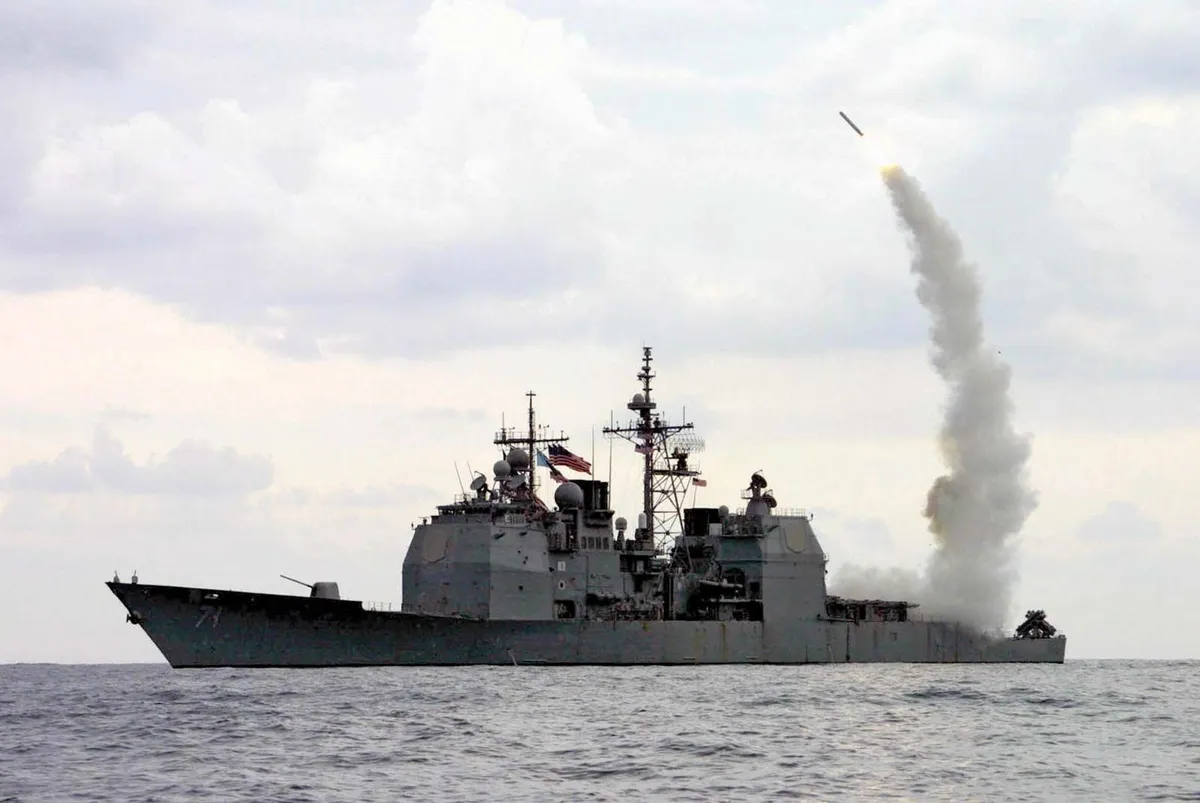
On February 28, 2026, a US Tomahawk missile struck the Iranian naval base adjacent to the primary school, resulting in the tragic deaths of more than 168 people, with a significant number being children aged just 12 years old. This strike occurred during a series of targeted attacks aimed at the IRGC compound, but the collateral damage was catastrophic. The Pentagon later reported that 165 individuals were killed, highlighting the devastating impact of the missile strike.
Immediate Effects on the Parties Involved
The immediate aftermath of the strike has been met with widespread condemnation. UNESCO described the bombing as a grave violation of international law, while Human Rights Watch has called for an investigation into the incident as a potential war crime. The US military has acknowledged the use of Tomahawk missiles in the conflict and is currently investigating the circumstances surrounding the strike. The tragic loss of life, particularly among children, has sparked outrage both domestically and internationally.
Expert Perspectives and Context
Experts have weighed in on the implications of the strike. NR Jenzen-Jones confirmed that video evidence shows a Tomahawk missile hitting a target, which aligns with the US military’s admission of using such missiles. However, footage has also emerged that appears to contradict US President Donald Trump’s assertion that Iran was responsible for the deadly school blast. This discrepancy raises questions about the narrative being presented by US officials.
Geopolitical Implications
The strike’s location, approximately 800 kilometers from Isfahan, where Israel has focused its military efforts, suggests a broader strategic context. As tensions escalate, the potential for further military engagements increases, raising concerns about the safety of civilians in conflict zones. The US’s commitment to a precise air power campaign, as stated by commentator Pete Hegseth, may be overshadowed by the tragic consequences of this strike.
Ongoing Investigations and Uncertainties
As investigations continue, the exact number of casualties remains unclear, with reports varying significantly. No independent agency has yet reached the site to verify the bomb fragments or assess the full extent of the damage. Details remain unconfirmed, leaving many questions unanswered regarding the strike’s legality and the accountability of those involved.
The tomahawk missile strike in Iran marks a significant and tragic escalation in the ongoing conflict, with profound implications for international law and civilian safety. As the situation develops, the international community watches closely, demanding accountability and justice for the victims of this devastating event.
