Introduction
The Witcher, a fantasy saga created by Polish author Andrzej Sapkowski, has transcended its literary origins to become a global phenomenon. With successful adaptations into video games and a hit television series on Netflix, The Witcher has significantly influenced contemporary culture and entertainment. In a time when fantasy narratives are more popular than ever, understanding its impact is vital for fans and newcomers alike.
The Rise of The Witcher
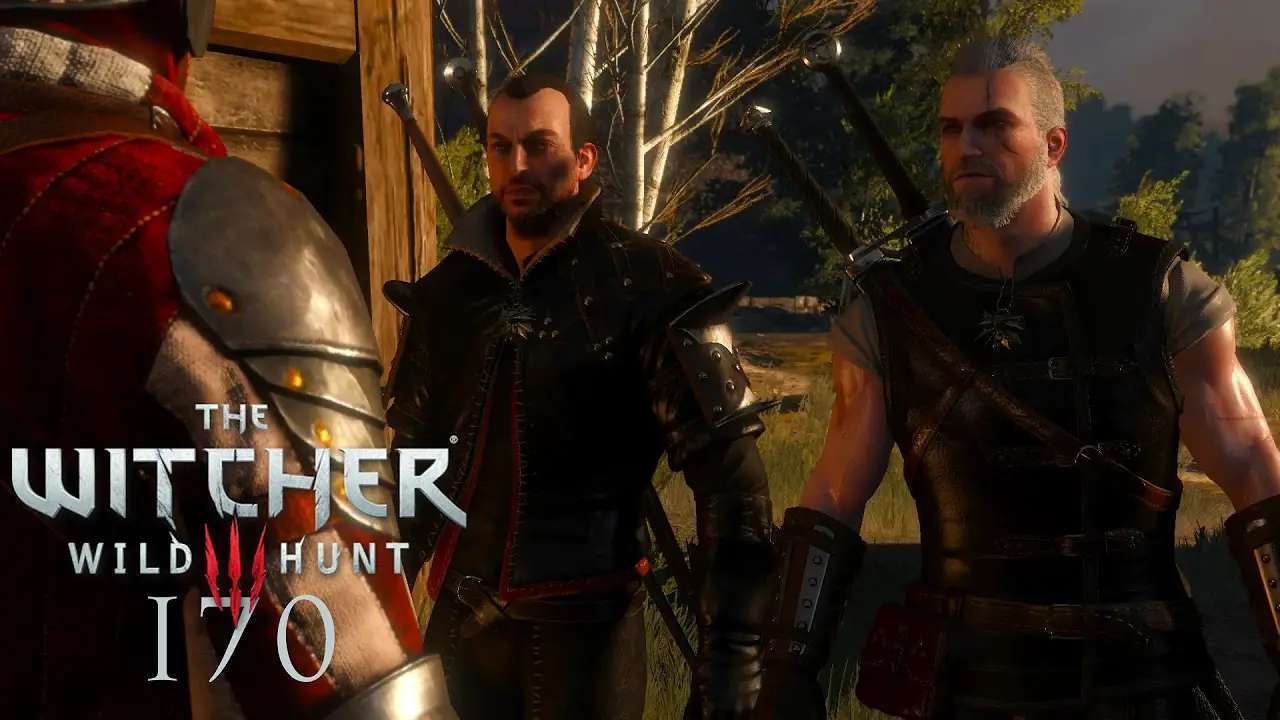
The Witcher series initially gained popularity through a series of video games developed by CD Projekt Red, starting with ‘The Witcher’ released in 2007. The games introduced players to the gritty world of Geralt of Rivia, a monster hunter navigating morally complex scenarios. The franchise exploded in popularity with ‘The Witcher 3: Wild Hunt’ in 2015, which won multiple Game of the Year awards and set a high bar for storytelling in gaming.
In addition to the gaming triumphs, The Witcher was adapted into a successful Netflix series, which premiered in December 2019. Starring Henry Cavill as Geralt, the show was met with critical acclaim and rapidly garnered a vast fanbase. The combination of rich storytelling, intricate characters, and stellar visual production contributed to its success. As of 2023, the series has been renewed for a fourth season and continues to expand on its formidable universe.
Impact on Culture and Entertainment
The Witcher’s influence extends beyond gaming and television. It has sparked a revitalisation of interest in fantasy as a genre, prompting other media to explore new narratives and character developments. Furthermore, it has encouraged a renaissance in Polish literature on a global scale, drawing international attention to works that previously flew under the radar.
Merchandising and spin-offs have also flourished, with a range of products, including books, collectible figurines, and board games, making The Witcher a multi-faceted brand. This expansion underscores the series’ ability to engage a diverse audience, from gamers to avid readers and casual viewers.
Conclusion
The Witcher serves as a testament to the potency of storytelling in various forms, demonstrating how a richly crafted world can captivate audiences across different media. Projected forecasts indicate that The Witcher will continue to evolve, with increasing interest in adaptations, merchandise, and community engagement. For fans and newcomers, The Witcher saga provides a gateway to explore the timeless themes of heroism, morality, and the complexity of human nature. Its significance in contemporary culture is undeniable, and its evolution will be closely watched in the years to come.
