Introduction
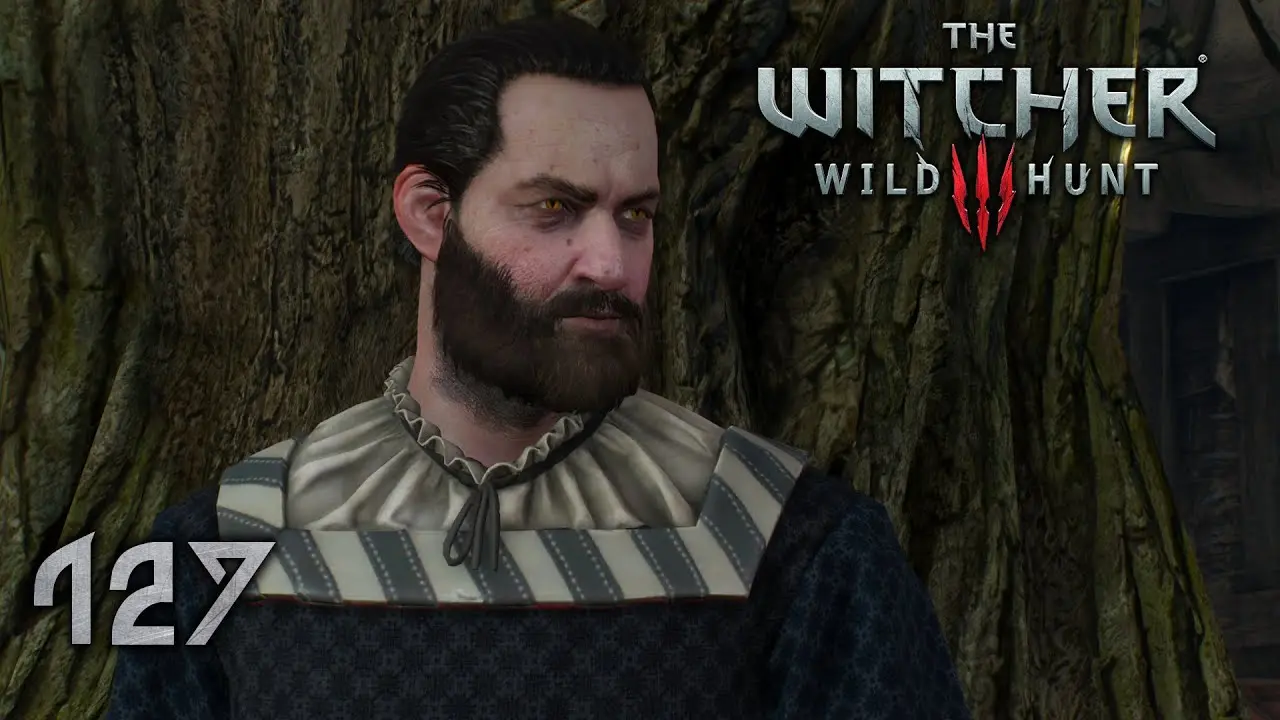
The Witcher franchise has seen an explosion in popularity in recent years, transcending its origins as a series of fantasy novels by Polish author Andrzej Sapkowski. First becoming widely known through video games developed by CD Projekt Red, it has since expanded into a successful television series on Netflix, comics, and even board games. The series has not only captivated fans but has also sparked discussions on themes of morality, destiny, and the struggles of its protagonist, Geralt of Rivia. As the franchise continues to grow, its relevance in popular culture cannot be undermined.
Recent Developments in The Witcher Franchise
In 2023, Netflix renewed its commitment to The Witcher by announcing the release of the highly anticipated Season 4, continuing the adventures of Geralt, played initially by Henry Cavill, whose departure from the role has stirred considerable conversation among fans. The release date is set for late 2024, ensuring that this beloved series remains in the spotlight. Meanwhile, the gaming community eagerly awaits news of potential sequels to the blockbuster video games, which are a staple in many gamers’ collections.
In addition to television and gaming, The Witcher has made strides in other media forms. Recent comic adaptations have expanded the lore and offered new stories to fans, while merchandise sales have risen, including collectibles that reflect the series’ rich world-building. These developments not only highlight the franchise’s commercial success but also demonstrate its ability to engage with audiences across various platforms.
Cultural Impact and Fan Engagement
The impact of The Witcher extends beyond mere entertainment; it has influenced fan culture significantly. Conventions dedicated to fantasy genres often feature gatherings for Witcher enthusiasts, and cosplay portraying characters from the series has gained immense popularity. Online communities thrive on discussions regarding lore, character development, and the moral complexities presented in the storyline, showcasing how engaged the fanbase remains.
The themes present in The Witcher resonate with audiences as well; the narrative’s exploration of good versus evil, the question of fate, and the grey areas in between are timeless subjects that provoke thought and analysis. Furthermore, as society grapples with a variety of moral dilemmas, the questions posed in The Witcher provide food for thought and reflection among its audience.
Conclusion
The Witcher franchise continues to evolve and capture the imagination of audiences worldwide. With its deep-rooted themes, compelling character arcs, and a vibrant fan community, it promises to remain a significant part of popular culture for the foreseeable future. As the next season airs and new game announcements arise, fans can expect to see this captivating world expand even further, solidifying The Witcher’s legacy in the realms of literature, gaming, and television.
