Introduction
The Witcher franchise, originating from Polish writer Andrzej Sapkowski’s novels, has transcended its literary origins to become a significant player in both the gaming and entertainment industries. With its rich narrative, complex characters, and immersive world-building, The Witcher has captivated audiences globally, especially after the success of its video game adaptations and the Netflix series. This transformation highlights the relevance of The Witcher not just as a piece of storytelling, but as a cultural phenomenon influencing popular media.
The Rise of The Witcher in Gaming
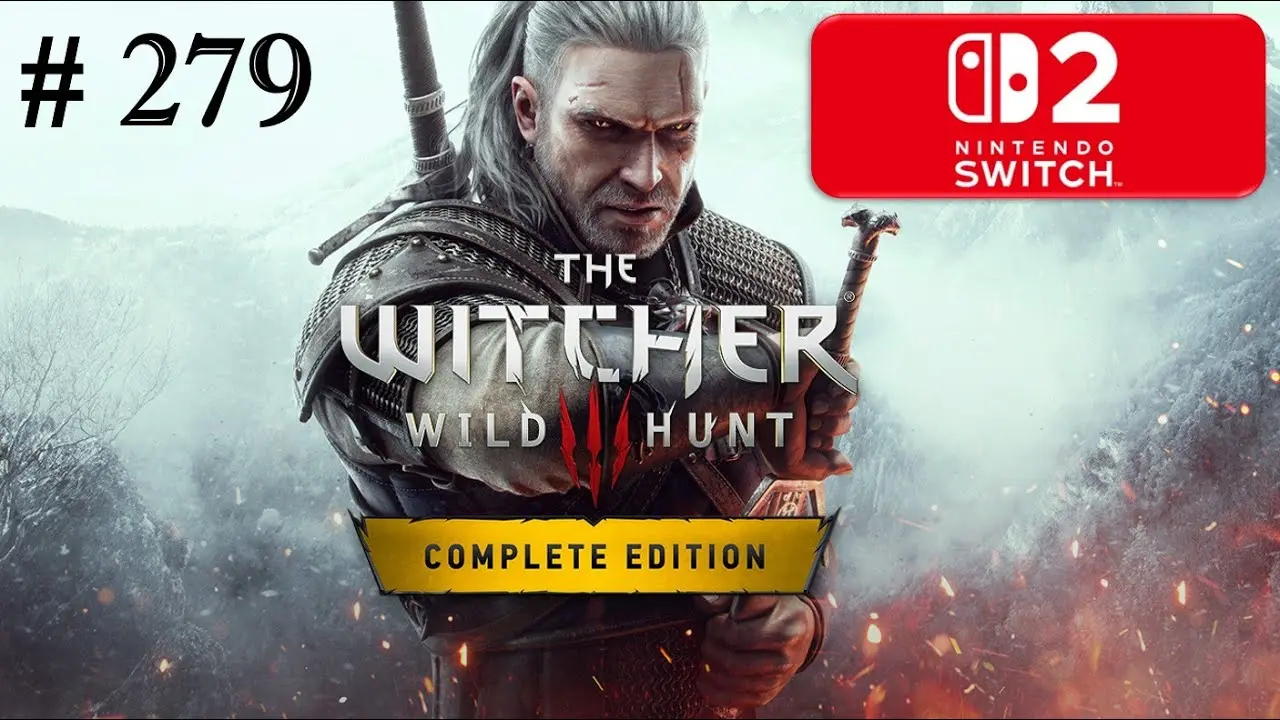
The video game series began with the release of ‘The Witcher’ in 2007, developed by CD Projekt Red. However, it was ‘The Witcher 3: Wild Hunt,’ released in 2015, that truly catapulted the series to international prominence. The game received numerous accolades, including Game of the Year at multiple award ceremonies, and boasted over 30 million copies sold by 2021. The depth of storytelling, coupled with open-world exploration and player choice, allowed gamers to engage with the narrative in unprecedented ways, reshaping expectations for action RPGs.
Television Adaptation’s Impact
The Witcher’s transition from video games to television also proved successful. The Netflix adaptation, which premiered in December 2019, starring Henry Cavill as Geralt of Rivia, captured both fans of the novels and newcomers alike. The show drew in over 76 million households in its first month, showcasing the strength of the franchise. The series’ exploration of moral ambiguity, relationships, and destiny reflects the complexities present in the original narratives while bringing forth a new audience. Since its debut, the series has garnered a substantial fanbase, leading to the announcement of additional seasons and spin-offs.
Merchandising and Extended Universe
The immense popularity of The Witcher has also led to an extensive range of merchandise, including collectibles, clothing, and board games, further entrenching its cultural footprint. Additionally, Netflix has expanded the universe with animated films and spin-offs, indicating a profitable business model as well as an appreciation for the source material. This expansion shows the intent to grow the franchise beyond its current successes, potentially leading to more interactive experiences such as augmented reality or virtual reality games.
Conclusion
The Witcher has established itself as a dominant force in gaming and entertainment, with its complexity and engagement driving its appeal. As the franchise continues to evolve, with plans for new content on various platforms, it is poised to maintain its influence in popular culture. For fans and newcomers alike, The Witcher offers a rich tapestry of storytelling that combines tradition with innovation, setting a high bar for future adaptations in both gaming and television. How this franchise will shape the future of interactive storytelling remains to be seen, but its current trajectory suggests a vibrant and enduring legacy.
