Introduction
The solar eclipse of 2026 is set to be one of the most anticipated astronomical events of the decade. Scheduled to occur on August 12, 2026, this total solar eclipse will be visible across parts of Europe, northern Africa, and the Arctic regions. The significance of this celestial phenomenon lies not only in its rarity but also in the opportunity it presents for education and scientific observation.
Details of the Eclipse
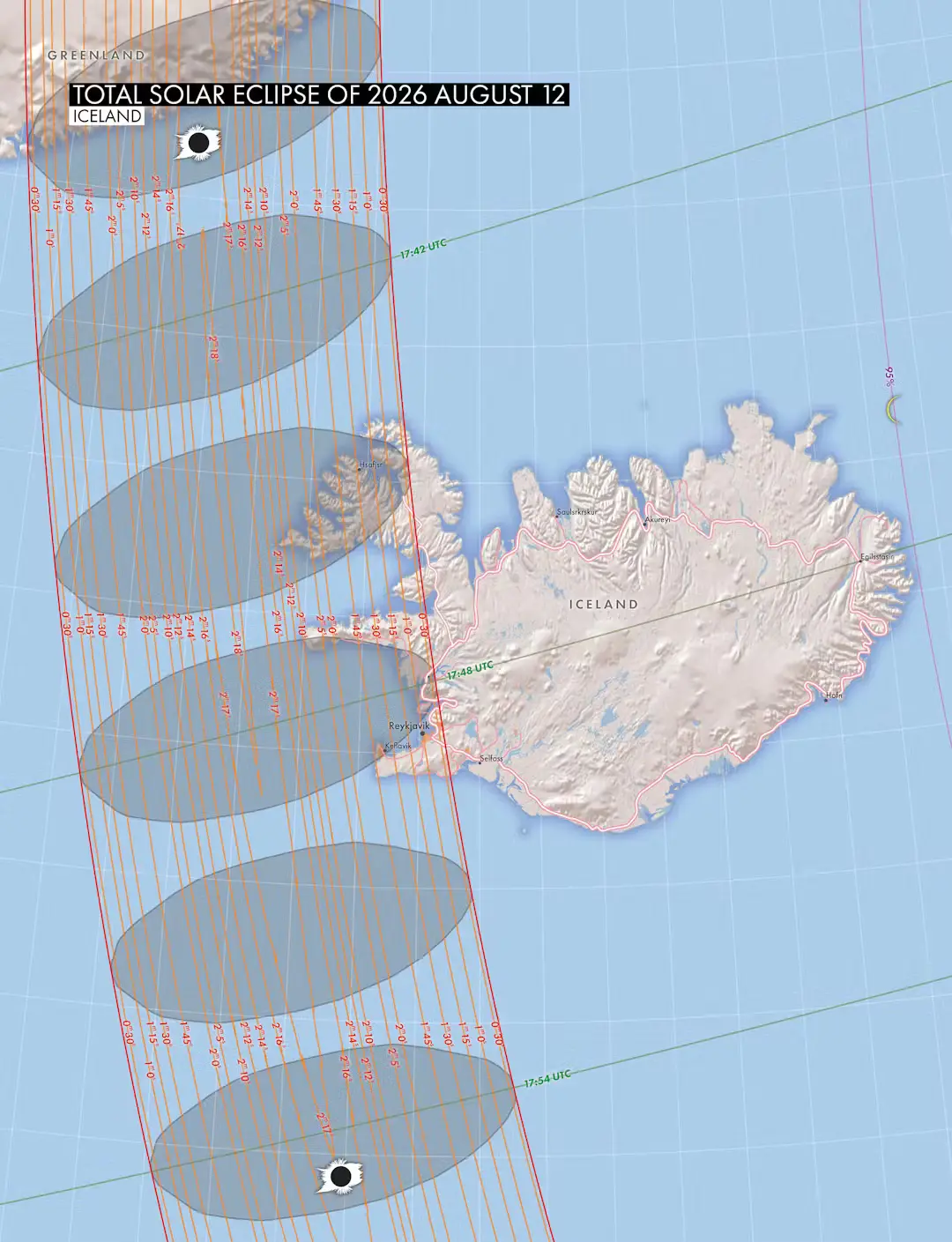
The solar eclipse will commence in the northern Atlantic Ocean and make its path across various regions. Notably, cities such as Reykjavik in Iceland and parts of Spain are expected to experience the totality, where the moon will completely cover the sun for a brief period, creating an awe-inspiring spectacle. During the total phase, observers will witness a dramatic darkening of the sky, temperature drops, and an uncanny silence as nature reacts to the eclipse.
Preparation and Viewing Opportunities
For those interested in witnessing the event, proper preparations are essential. It is important to invest in appropriate solar viewing glasses, as looking directly at the sun can cause severe eye damage. Astronomy groups and local observatories are already planning events to help educate the public and provide safe viewing opportunities. Many schools are incorporating lessons about the solar eclipse into their curriculum to enhance students’ understanding of astronomy and the solar system.
Historical Context
This solar eclipse will follow a series of significant eclipses in recent years, with the last notable total solar eclipse occurring in August 2017, viewed across the United States. The 2026 eclipse not only contributes to this ongoing narrative in astronomy but also continues to inspire fascination and engagement with celestial events.
Conclusion
The solar eclipse of 2026 is a momentous event that should not be missed. As excitement builds, scientists and sky enthusiasts alike prepare to witness this magnificent display of nature. The event holds significance beyond mere enjoyment; it serves as a vital opportunity to foster education and interest in astronomy. Mark your calendars for August 12, 2026, and prepare for an unforgettable experience that connects us all to the wonders of the universe.
