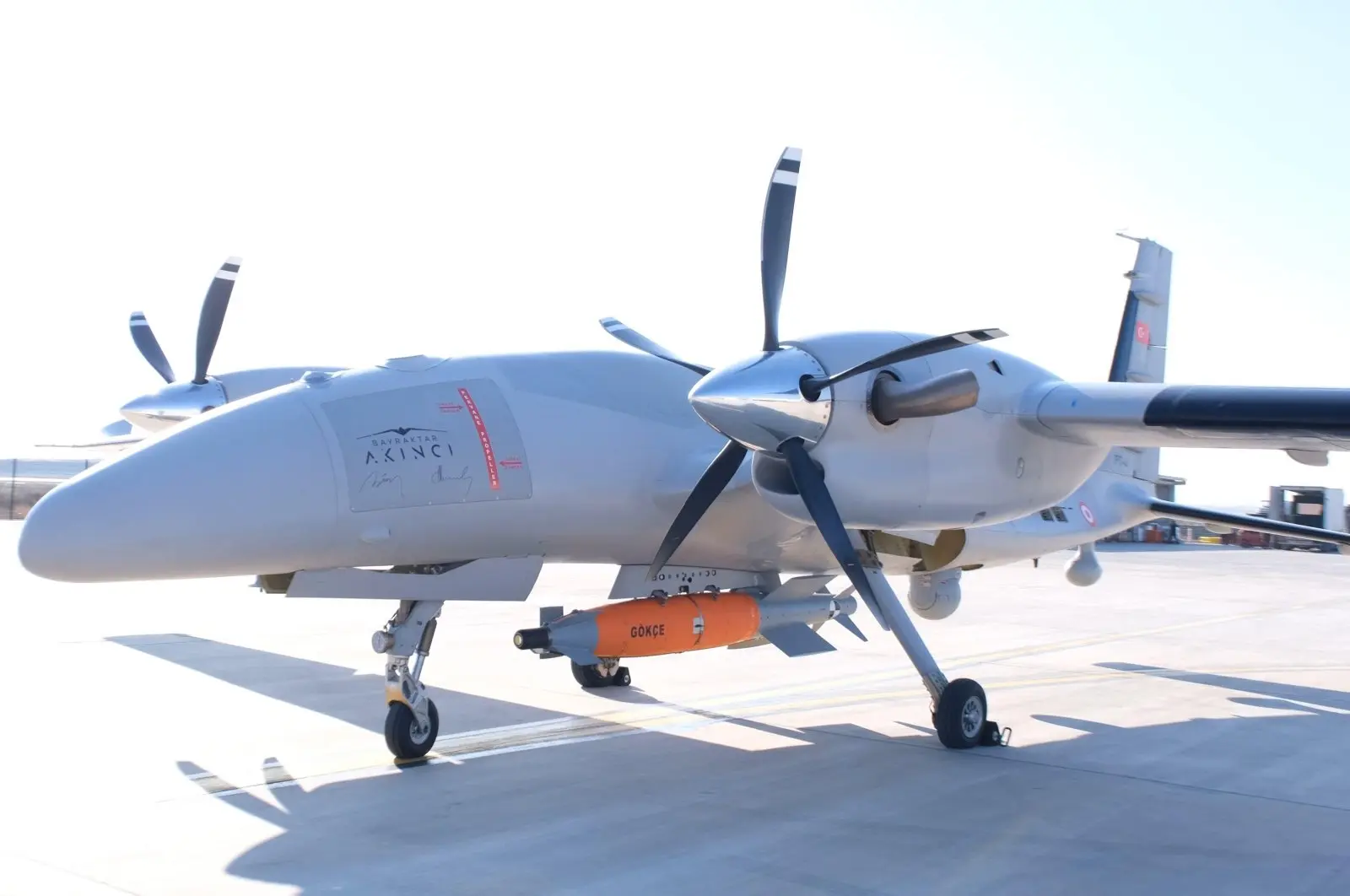
Introduction
Drones, once primarily associated with military operations, have emerged as a powerful tool across various sectors globally. Their ability to conduct operations remotely and gather data quickly has made them an invaluable asset in industries such as agriculture, delivery services, and even emergency response. As drone technology continues to evolve, understanding their applications and implications becomes increasingly essential for businesses and consumers alike.
Current Developments in Drone Technology
Recent advancements have significantly enhanced the capabilities of drones. For instance, manufacturers are integrating artificial intelligence (AI) and machine learning to improve navigation, obstacle avoidance, and efficiency. According to a report by ResearchAndMarkets, the global drone market is projected to grow from $22.5 billion in 2023 to over $42 billion by 2028, signalling the technology’s increasing relevance in various sectors.
Applications of Drones
Agriculture: Farmers are now turning to drones for crop monitoring, precision agriculture, and pesticide spraying. The use of drones allows for meticulous monitoring of crop health and soil conditions, significantly improving yield quality and overall efficiency.
Delivery Services: Companies like Amazon and Google are piloting drone delivery services, aiming to enhance logistics efficiency. Drones can transport packages faster than traditional methods, which is invaluable in urban settings where traffic congestion may delay deliveries.
Emergency Response: Drones are also being employed in disaster management and search-and-rescue missions. Their ability to reach remote or hazardous locations quickly allows emergency services to assess situations and allocate resources effectively, as demonstrated by recent drone deployments in natural disaster scenarios.
Regulatory Landscape
As drone use increases, so does the need for regulation. The UK Civil Aviation Authority (CAA) has outlined strict guidelines for drone operators to ensure safety and privacy. Recent updates include requiring all drone pilots to register and undergo training, which reflects a growing concern over airspace integrity and public safety.
Conclusion
The ongoing development and integration of drones into various industries highlight their transformative potential. From revolutionising how we approach agriculture to enhancing emergency response capabilities, drones are not just a fleeting trend but rather a pivotal technological advancement. As regulations adapt and technology improves, the future promises even further innovations that will impact society profoundly. For consumers and businesses, staying informed about these changes and embracing the technology will be essential for capitalising on the benefits that drones offer.
