Introduction
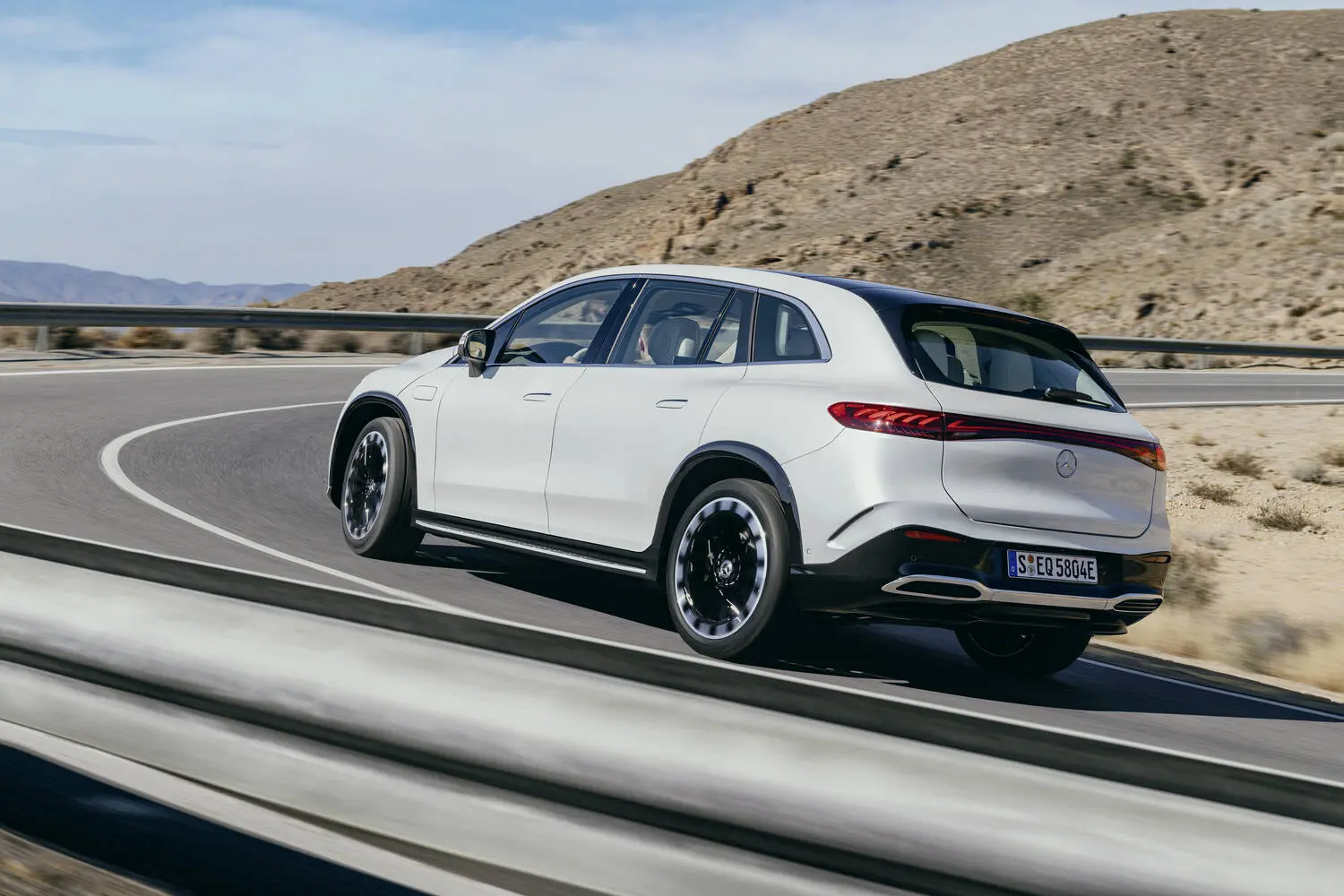
The sport utility vehicle (SUV) has become one of the most popular vehicle types worldwide, dominating sales and changing the landscape of the automotive industry. As consumer preferences shift toward larger and more versatile vehicles, the SUV market continues to expand. Understanding the trends and factors driving this popularity can provide insights into the future of motoring.
The SUV Boom
According to recent data from the Society of Motor Manufacturers and Traders (SMMT), UK SUV registrations surged by 14.9% in 2022, despite an overall decline in car sales due to ongoing supply chain challenges and economic pressures. This trend mirrors global statistics, where SUVs collectively accounted for over 50% of vehicle sales in major markets such as the United States and China.
The rise of the SUV can be attributed to several factors. Firstly, many consumers are drawn to their spacious interiors and elevated ride height, providing better visibility and a sense of safety on the road. Furthermore, advancements in technology and fuel efficiency have made newer models more appealing. Brands like Tesla, Ford, and Volkswagen have introduced electric and hybrid SUVs, catering to the growing environmental consciousness amongst buyers.
Market Dynamics
The competition within the SUV market is fierce, with both established automotive giants and new entrants vying for consumer attention. Traditionally, luxury brands such as BMW and Mercedes-Benz have dominated the high-end segment. However, more affordable options from manufacturers like Kia and Hyundai are capturing a significant share of the market, appealing to budget-conscious buyers looking for features typically found in premium models.
In the UK, the government’s push for electric vehicles has also influenced the SUV market. With a target to ban the sale of new petrol and diesel cars by 2030, many manufacturers are pivoting towards EV SUVs. This shift is not only aimed at sustainability but is also expected to lead to a new breed of performance-oriented SUVs, combining power with eco-friendliness.
Conclusion
The rise of the SUV is more than just a trend; it reflects changing consumer priorities and preferences in the automotive market. As manufacturers innovate and adapt to these shifts, the SUV’s importance in the market will likely continue to grow. For consumers, this means a larger selection of diverse and environmentally-friendly options in the years to come. As the automotive landscape evolves, the SUV’s role as a family vehicle, a status symbol, and an efficient mode of transport will remain significant.
