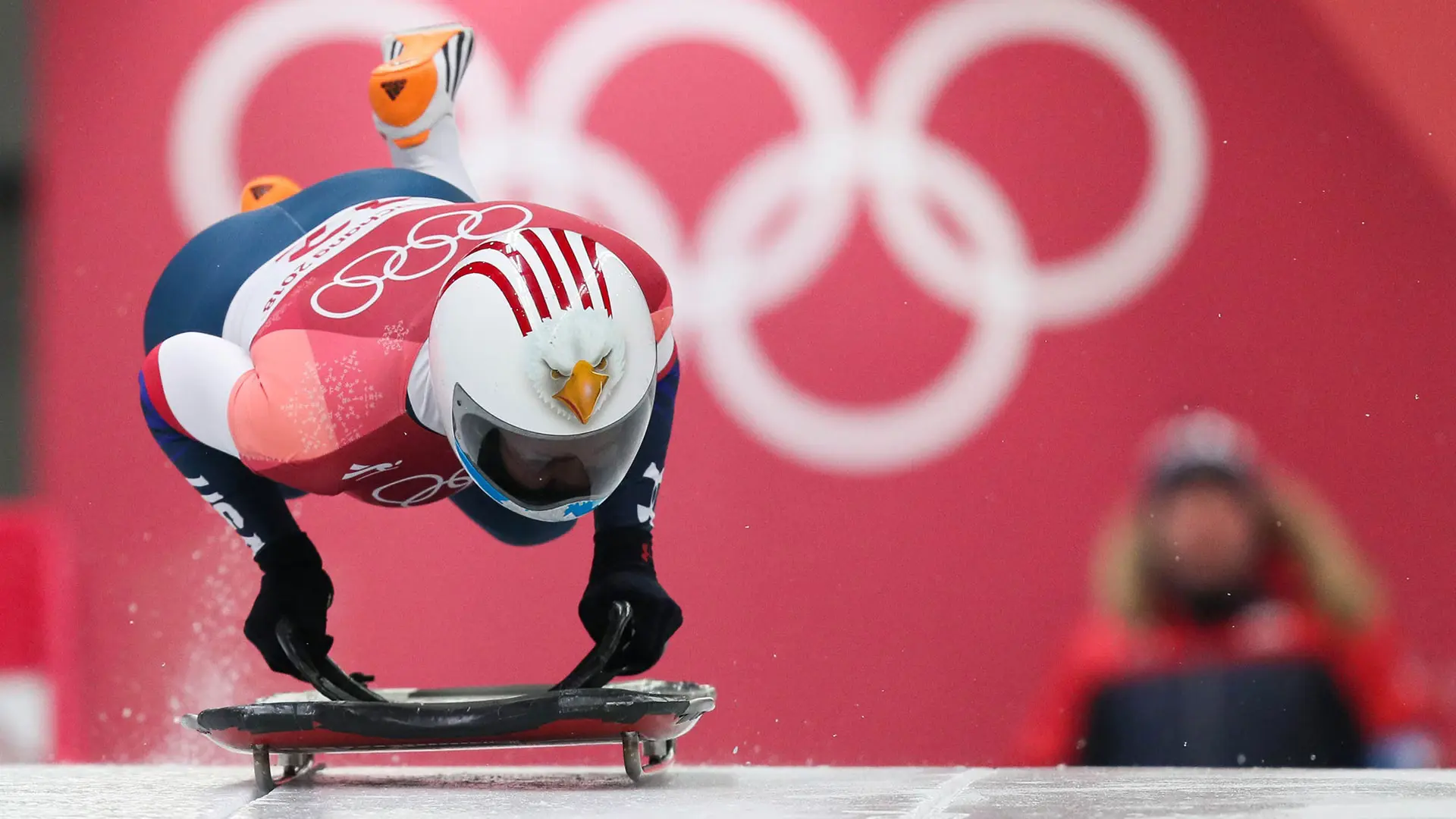
Introduction to Skeleton in the Winter Olympics
The skeleton is one of the most exhilarating events at the Winter Olympics, known for its high speeds and thrilling action. As one of the oldest sliding sports, it features athletes navigating a small, one-man sled down a narrow, twisting track. The upcoming Winter Olympics 2026 in Milan-Cortina, Italy, is set to draw intense attention to this adrenaline-pumping event.
Understanding the Sport
Skeleton racing involves athletes making timed runs down an ice track, with the aim of achieving the fastest time. Competitors can reach speeds of up to 130 km/h while lying face down on the sled, which makes for a unique and intense experience. This sport originated in the late 19th century in Switzerland, and it has become part of the Olympic program since 1928 for men and 2002 for women.
Recent Developments and Performances
The recent Winter Olympic Games in Beijing saw remarkable performances, highlighting the evolution of this sport. Athletes like Martins Dukurs from Latvia showcased exceptional talent, solidifying their reputation in the sport’s history. The gender equality push in the Olympics has also been reflected in skeleton, with both male and female categories receiving equal attention and opportunity.
What’s Next for Skeleton Racing?
Looking ahead to the 2026 Winter Olympics, athletes are actively training and preparing for what is expected to be a fiercely competitive event. National teams are focusing on improving their sled designs and enhancing training regimens to gain a competitive edge. As technology and training methods advance, the dynamics in this sport are also set to evolve.
Conclusion: The Significance of Skeleton
The skeleton at the Winter Olympics showcases a blend of speed, skill, and courage. As audiences around the world anticipate the thrilling competition to come, the sport continues to captivate fans and inspire future generations of athletes. With increasing interest in winter sports, the skeleton is sure to remain a highlight of the Olympic experience, symbolizing not just physical prowess but also the spirit of competition.
