Introduction
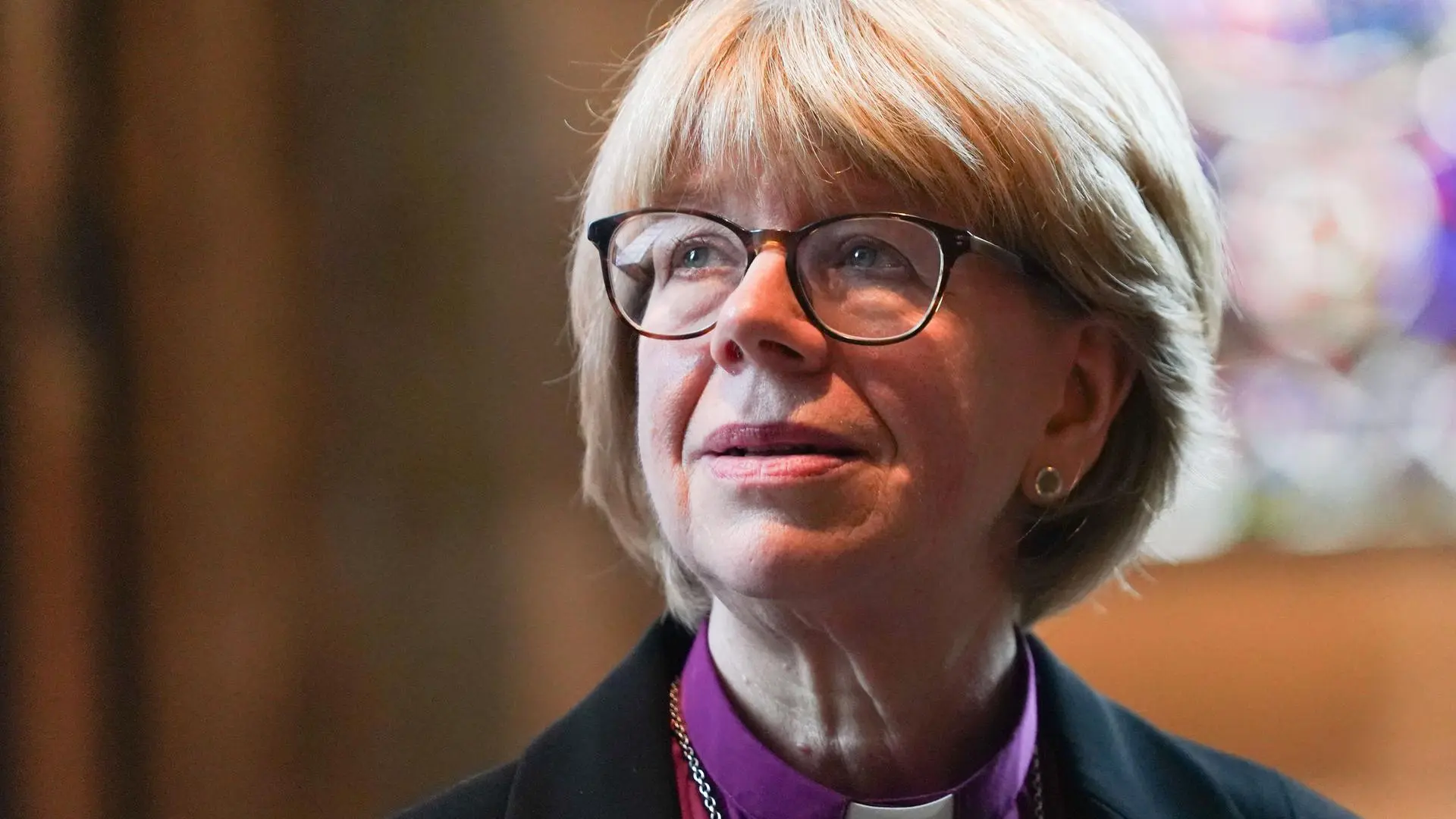
Sarah Mullally has made history as the first female Bishop of London since her appointment in 2018. Born on June 21, 1962, Mullally has a background in nursing and theology, making her a unique figure in the Church of England. Her leadership is not only pivotal for the Diocese of London but also holds significance for the Church as a whole, especially in light of ongoing conversations regarding gender equality within religious institutions.
Main Contributions
Since taking office, Mullally has embraced various social issues and has become a leading advocate for mental health awareness and the fight against homelessness. Her commitment to addressing these pressing issues reflects her belief in the Church’s responsibility to engage with the world directly. In 2020, amidst the pandemic, she launched a mental health initiative aiming to support congregants and communities that have faced unprecedented challenges. This initiative has garnered praise for providing vital support to those suffering from mental health issues during such a tumultuous time.
Mullally has also been active in promoting inclusivity within the Church of England. In 2021, she led discussions encouraging parishes to become more welcoming to LGBTQ+ individuals, aligning with the wider push for reforms in the Church. By fostering a sense of inclusiveness, Mullally aims to ensure that the Church serves as a place of refuge and community for everyone.
Recent Developments
In 2023, Sarah Mullally’s influence continued to grow when she was appointed to the Church of England’s House of Lords. Her involvement in this legislative body allows her to advocate for social changes that align with Christian values while also representing the concerns of her diocese at a national level. This unique position provides an opportunity for her to influence public policy on critical issues such as healthcare, education, and social justice.
Conclusion
Sarah Mullally’s journey as Bishop of London marks a significant turning point in the Church of England’s history, highlighting the importance of women in leadership roles within religious communities. Her dedication to addressing social issues, coupled with her push for inclusivity, indicates a transformative approach to faith in the contemporary world. As the Church continues to evolve, Mullally’s role will likely be instrumental in shaping its future directions. Her leadership not only inspires clergy and congregants but may also ignite passion in a broader audience, making the Church relevant in today’s society.
