Introduction
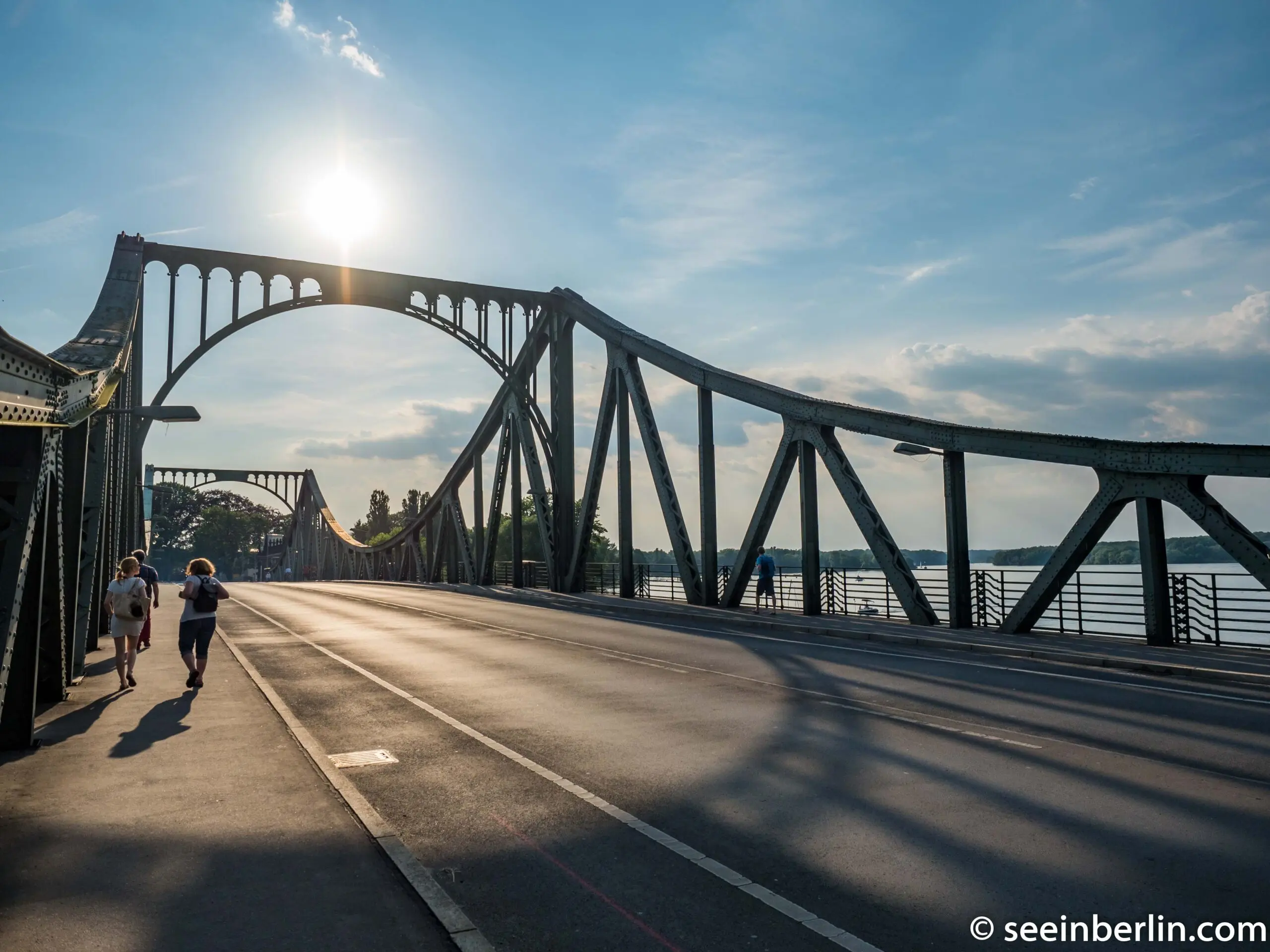
The ‘Bridge of Spies’ has become a significant term, particularly in discussions about espionage and Cold War diplomacy. It refers to the iconic Glienicke Bridge, which connects Potsdam and Berlin, and served as a point for exchanging spies between the United States and the Soviet Union during the height of the Cold War. This strategic linkage symbolised not just the tensions between the two superpowers but also the remarkable events that took place in the realm of intelligence and international negotiations.
The Historic Exchange
The most notable event associated with the Bridge of Spies occurred on February 10, 1962, when American U-2 pilot Francis Gary Powers was exchanged for Soviet spy Rudolf Abel. Powers had been shot down over Soviet airspace in 1960 and held captive for nearly two years. His release was part of a broader negotiation strategy that underscored the complexities of Cold War rivalries, where lives were bartered in an intricate game of diplomacy.
The exchange was carefully orchestrated and took place in the shadow of the divided Berlin, highlighting the political stakes involved. Unlike typical negotiations, this one took place under considerable public scrutiny, with both American and Soviet officials keenly observing the outcomes. This historic moment not only illustrated the risks intelligence officers undertook but also showcased the delicate balance of power between the superpowers during a time rife with suspicion and hostility.
Significance and Legacy
The Bridge of Spies has become emblematic of Cold War tensions and has captured the imagination of filmmakers and historians alike. The name has been immortalised through the 2015 film directed by Steven Spielberg, which offered a cinematic portrayal of the events surrounding the exchange, further cementing its place in popular culture. This adaptation has reignited interest in Cold War history and the human stories involved in espionage.
Moreover, the bridge itself stands as a stark reminder of the ideological differences that once divided East and West. Today, it serves as a tourist attraction and a site for reflection on the past. Visitors can walk across the bridge and consider the historical ramifications of such exchanges, which remind us of the potential for negotiation even in times of discord.
Conclusion
The Bridge of Spies continues to garner attention not just as a geographical location but as a potent symbol of Cold War diplomacy. Its legacy reveals the intricate dynamics of espionage, the human cost of international tensions, and the eventual movements towards resolution and peace. As global geopolitics remain complex, the lessons drawn from the Bridge of Spies serve as a reminder that diplomacy can pave the way for reconciliation, even in the most challenging circumstances. The historic events that transpired here resonate today, reminding us all of the importance of dialogue over division.
