Introduction
The Lunar New Year, also known as the Spring Festival, is one of the most celebrated festivals in the world, especially across Asia. As part of this rich and vibrant tradition, each year is represented by a specific animal from the Chinese zodiac. Understanding the significance of these animals and their associated traits provides invaluable insight into the cultural celebrations and personal reflections during this auspicious period.
The Chinese Zodiac Animals
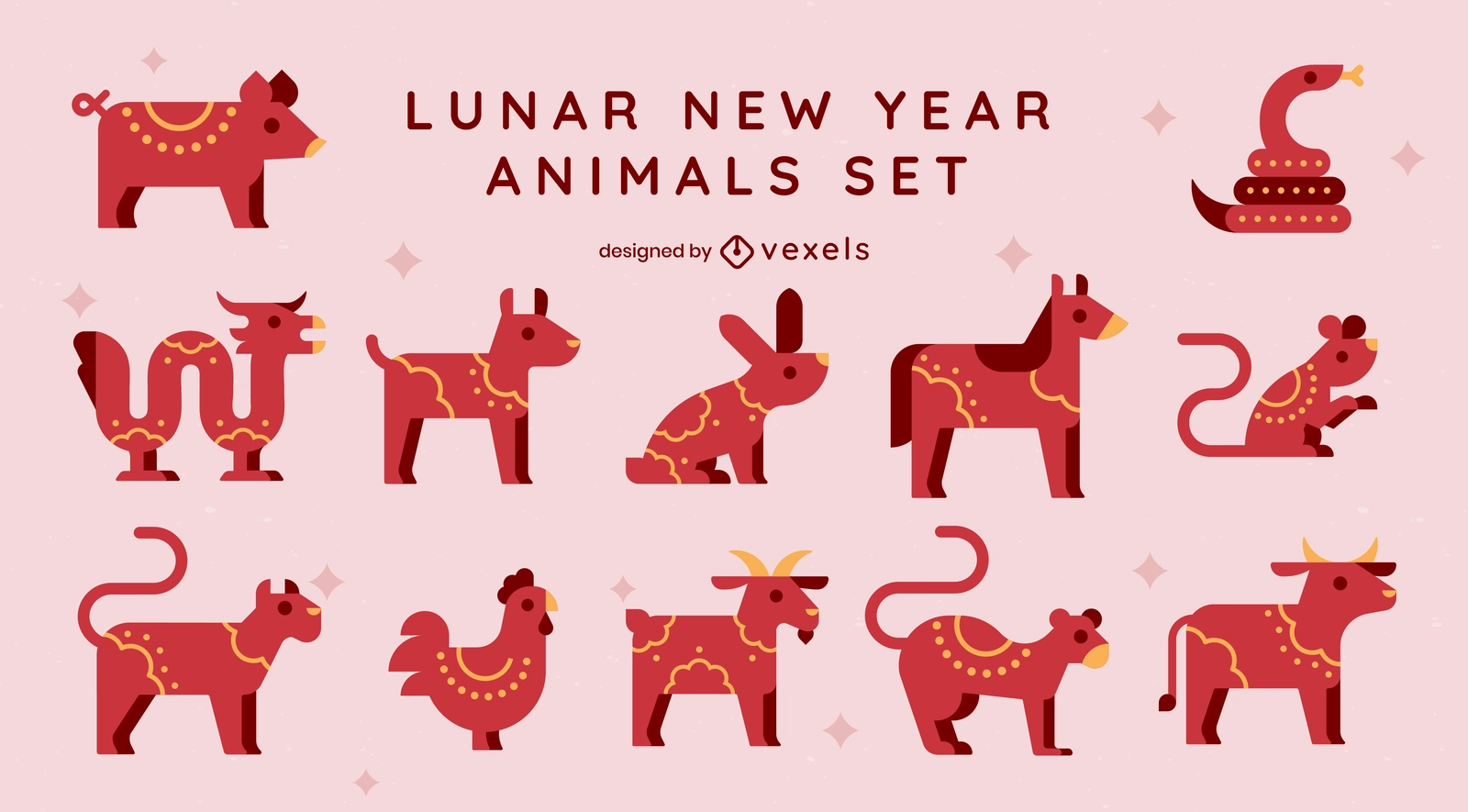
The Chinese zodiac consists of twelve animals: Rat, Ox, Tiger, Rabbit, Dragon, Snake, Horse, Goat, Monkey, Rooster, Dog, and Pig. Each animal is associated with specific personality traits that are believed to influence the characteristics of those born in that year. For instance, 2023 is the Year of the Rabbit, symbolising peace, calmness, and prosperity, making it a year for reflection and growth.
Cultural Celebrations
The representation of these animals extends beyond personal traits; they play a significant role in the festivities surrounding the Lunar New Year. Each year brings unique celebrations influenced by the characteristics of the zodiac animal. For instance, the Year of the Dragon, often associated with power and luck, usually sees grand festivities and elaborate fireworks, as people believe it to promise a year of victory and good fortune.
Moreover, it is customary for festivities to include decorations and offerings that feature the year’s animal, with families showcasing elaborate art and crafts featuring the zodiac sign. Children are often gifted red envelopes containing money, a practice thought to convey blessings and good fortune during the new year.
Conclusion
The lunar new year animals hold profound significance not just in Chinese culture but in global celebrations of the festival. As each new zodiac year approaches, individuals reflect on their traits, aspirations, and the unique energies brought forth by the animal of that year. This cyclical tradition serves both as a guide to personal attributes and as a celebration of the rich cultural tapestry that connects millions around the world. As we move forward, understanding and respecting these traditions will enhance our appreciation for the diverse ways people celebrate new beginnings.
